


 Juna Untarda, Taluka Bayad, District Aravalli, Gujarat, India.

Manglik Dosh Nivaran Bhaat Puja and Shri Mangalnath Mahabhishek
Shri Mangalnath Mahadev Temple
₹801

DHANTERAS SPECIAL
'/%3E%3C/g%3E%3Cdefs%3E%3ClinearGradient id='paint0_linear_0_72' x1='0' y1='8.5' x2='343' y2='8.5' gradientUnits='userSpaceOnUse'%3E%3Cstop stop-color='%239A1103' stop-opacity='0'/%3E%3Cstop offset='0.3' stop-color='%239A1103'/%3E%3Cstop offset='0.7' stop-color='%239A1103'/%3E%3Cstop offset='1' stop-color='%239A1103' stop-opacity='0'/%3E%3C/linearGradient%3E%3C/defs%3E%3C/svg%3E)


31.14L+pujas conducted
You won't be charged yet
According to the Gujarati calendar, Dhanteras falls on the thirteenth day of the waning lunar fortnight of the month of Ashwin. It marks the beginning of the Diwali festival.
In Sanatan tradition, this day is considered especially auspicious for three reasons:
1. Dhanvantari Jayanti
According to Hindu mythology, Lord Dhanvantari emerged from the ocean during the Samudra Manthan, carrying a pot of nectar.
He is regarded as the deity of Ayurveda and healing. Therefore, Dhanteras is associated with prayers for good health, healing and a healthy life.
2. Worship of Goddess Lakshmi and Lord Kubera
On this auspicious day, devotees worship Goddess Lakshmi and Lord Kubera and pray for wealth, prosperity and abundance.
Purchasing gold, silver or new utensils is also considered auspicious.
3. The Day of Lighting Lamps
Lighting lamps in the evening is an important tradition. It symbolizes the journey from darkness towards light.
It is believed that performing a sacred ritual at the temple of the Goddess on such an auspicious day enhances its spiritual significance.
This Maha Yagya will be performed on 6 November 2026 at:
Shri Dipeshwari Mataji Dham, Juni Untarda, Bayad, Aravalli, Gujarat.
The village of Untarda, situated near the Mazum River, is known for its devotion to Maa Dipeshwari.
An auspicious connection exists between the name of the Goddess and the festival of Dhanteras.
The word “Deep” in Dipeshwari is associated with light, while Dhanteras marks the beginning of the festival of lights.
Devotees consider worshipping the Goddess on this day particularly meaningful.
Maa Dipeshwari Krupa Maha Yagya is a special Vedic ritual performed to seek the blessings of the Goddess.
In Hindu scriptures, a Yagya is considered a sacred medium of communication with the divine.
Fire is regarded as the mouth of the Gods, and it is believed that offerings made into the sacred fire reach the Goddess through this divine medium.
This Maha Yagya is performed with devotion and Vedic rituals to seek divine blessings for happiness, prosperity, peace and the fulfilment of wishes.
Prayers are offered for the happiness, peace, good health and overall well-being of all family members. The ritual seeks blessings for maintaining love, harmony and mutual understanding within the family.
Devotees seek the blessings of Maa Dipeshwari for overcoming obstacles in: - Education and studies - Business and professional life - Employment and career - Personal goals and aspirations
On the sacred occasion of Dhanteras, devotees pray for: - Financial stability - Wealth and prosperity - New opportunities - Auspicious beginnings in life
Prayers are offered for the strength to overcome life's challenges, develop self-confidence and maintain positive thoughts.
Devotees can offer their personal wishes and heartfelt desires at the feet of the Goddess through the sacred Sankalp.
Through Ganapati worship, mantra chanting and the sacred Havan, devotees seek deeper devotion, spiritual well-being and peace of mind.
The puja begins with the priest reciting the sacred details of the place, date, lunar day (Tithi) and Hindu calendar year (Samvatsara). A Sankalp is taken in the name of the devotee, including: - Devotee's name - Gotra - Personal wishes and intentions According to Vedic tradition, the Sankalp establishes the purpose and spiritual intention of the ritual.
Every auspicious ritual begins with the worship of Lord Ganesha, the remover of obstacles. The priest invokes Lord Ganesha with the mantra: “Om Gam Ganapataye Namah” The worship includes: - Invocation of Lord Ganesha - Offering of a sacred seat - Ritual bathing - Offering of clothes - Flowers and Durva grass - Naivedya (sacred food offering) Prayers are offered for the smooth and uninterrupted completion of the Maha Yagya.
The priest chants the sacred seed mantras (Beej Mantras) of Maa Dipeshwari and other mantras prescribed by the religious tradition.
The sacred Vedic Shri Sukta mantras are recited to invoke Goddess Lakshmi. Prayers are offered for: - Wealth - Food and abundance - Financial prosperity - Happiness and well-being This is a special part of the ritual because the Maha Yagya is scheduled on Dhanteras.
Offerings are made into the sacred fire using: - Samidha (sacred wood) - Ghee - Sesame seeds - Barley - Other sacred Havan materials
The Yagya is completed with the final offering of coconut and sacred materials. Special prayers are offered for the happiness, prosperity and well-being of the devotee and their family.
The ritual concludes with: - Aarti of Maa Dipeshwari - Pushpanjali (offering flowers) - Kshama Prarthana (prayer for forgiveness) The priest seeks forgiveness for any mistakes that may have occurred unknowingly during the puja.
Shri Mangalnath Mahadev Temple
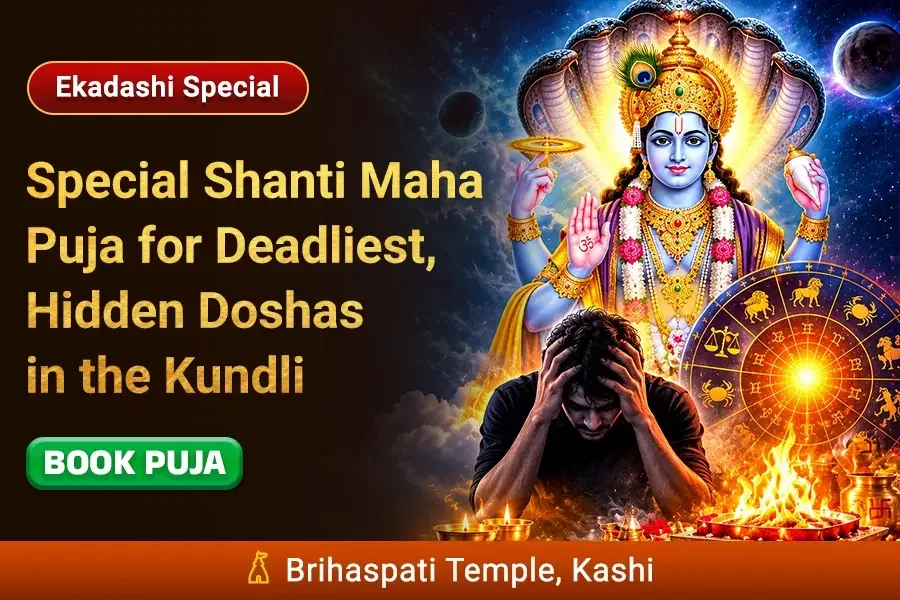
Brihaspati Temple

Kamrup Teerth Kshetra
What a platform? I never thought that, Veda Mandir people perform Puja so Nicely.
అమ్మానాన్నల పేర్ల మీద పూజ బుక్ చేశాను. వీడియోలో ప్రతి పేరు, గోత్రం స్పష్టంగా చదివారు.
విదేశాల్లో ఉన్నా మా కుటుంబం కోసం ఆలయంలో పూజ చేయించుకోగలిగాం. చాలా తృప్తిగా ఉంది.
What a platform? I never thought that, Veda Mandir people perform Puja so Nicely.
అమ్మానాన్నల పేర్ల మీద పూజ బుక్ చేశాను. వీడియోలో ప్రతి పేరు, గోత్రం స్పష్టంగా చదివారు.
విదేశాల్లో ఉన్నా మా కుటుంబం కోసం ఆలయంలో పూజ చేయించుకోగలిగాం. చాలా తృప్తిగా ఉంది.
You won't be charged yet
 ISO Certified 27001
 100% Secure Payment
 Customer Support

 Verified
 5.0