


Kumararama Bhimeswara Swamy Temple, Samalkot
A 9th-century Eastern Chalukya shrine to Lord Shiva in Samalkot, one of the sacred Pancharama Kshetras
Samalkot, Kakinada, Andhra Pradesh

Daily 6:00 AM–12:00 noon and 4:00 PM–8:00 PM
- Darshanam
- ₹20
- Seeghra Darshanam
- ₹50
- Dress code
- Wear traditional, modest clothes. Men can wear a dhoti with a kurta, or pajama and shirt. Women can wear a saree, or a salwar kameez with dupatta. Avoid shorts and revealing clothing.
- Best season
- -
About the temple
Kumararama, also called Bhimarama, is the Shiva temple of Samalkot in Kakinada district, Andhra Pradesh. It is one of the five Pancharama Kshetras sacred to Lord Shiva. The other four are Amararama at Amaravati, Draksharama, Ksheerarama at Palakollu and Somarama at Bhimavaram. Devotees know the presiding deity as Lord Kumararama Bhimeswara Swamy. The temple is a centrally protected monument of national importance under the Archaeological Survey of India. It is open every day in the morning and evening. Through the year, devotees offer abhishekam, kumkuma pooja and other sevas here. The temple also runs a daily annadanam, serving free meals at midday.
Significance
The temple's name comes from its legend. Kumara Swamy (Kartikeya) defeated the demon Tarakasura at this spot. In thanksgiving, he installed a Shiva linga here, and so the place became Kumararama. As one of the five Pancharama Kshetras, it draws pilgrims who visit all five Shiva shrines. An APSRTC Pancharama circuit tour runs from the Kakinada depot. Karthika and Margashira months bring daily abhisheka. The Kalyana Mahotsavam begins on Magha Bahula Ekadashi, and celebrations continue until Maha Shivaratri.
History
- 1892–922 CE · Built by Chalukya Bhima
The Eastern Chalukya king Chalukya Bhima built the temple. The deity Bhimeswara takes its name from him.
- 2Eastern Ganga period · Great mandapa added
Ganga Mahadevi, daughter-in-law of Narasimha Deva I, built the great mandapa.
- 31147–1494 · Pillar inscriptions
Inscriptions on the pillars record gifts made to the temple.
- 4Later medieval · Kakatiya and Musunuri renovations
Pillars were added and renovated under the Kakatiya and Musunuri rulers.
Architecture
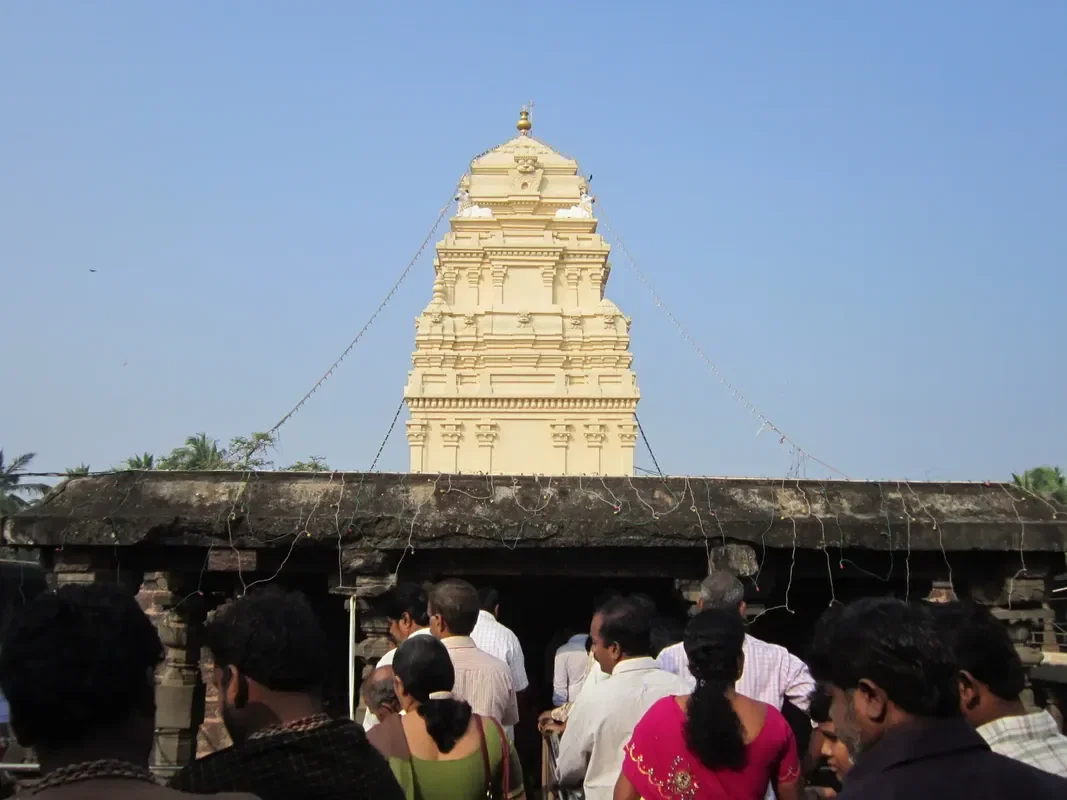
The temple shows the Chalukya and Kakatiya styles of the Andhra region. The Eastern Chalukya king Chalukya Bhima built its core in the late 9th century. Later rulers added to it. Ganga Mahadevi of the Eastern Ganga line built the great mandapa. The Kakatiya and Musunuri rulers added and renovated pillars. Many pillars carry inscriptions from 1147 to 1494 that record gifts to the temple. Today the Archaeological Survey of India protects the shrine as a monument of national importance.
Daily seva timings
As published on the temple's official site
As published on the temple's official site
Offerings & festivals
Begins on Magha Bahula Ekadashi, with grand celebrations until Maha Shivaratri
Daily abhisheka to the Lord through the holy months
Nine days of evening sevas to the Goddess
Nine days of morning sevas to Lord Ganapathi
How to reach
Rajahmundry is the nearest domestic airport, 42–49 km away. Visakhapatnam is the nearest international airport.
Samalkot Junction is the nearest railway station, about 850 m from the temple.
The temple is about 1 km from Samalkot town. The APSRTC Kakinada depot runs a Pancharama circuit tour.
-
Frequently asked questionsFAQs
The temple is open daily from 6:00 AM to 12:00 noon and from 4:00 PM to 8:00 PM.
More temples in Andhra PradeshMore in Andhra Pradesh
View all →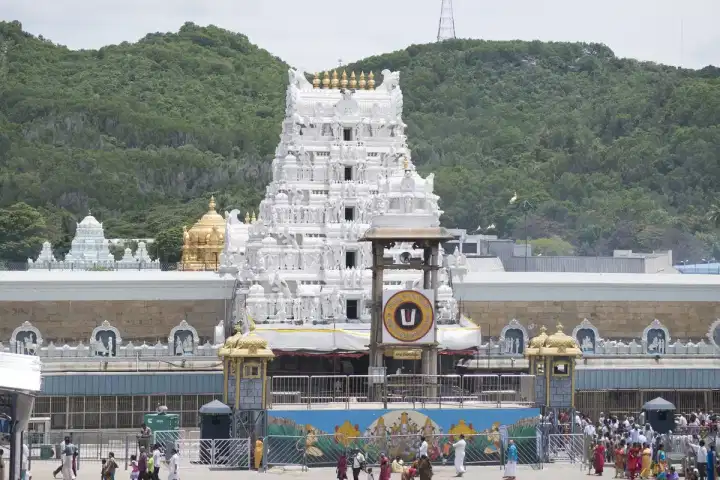
Tirumala Sri Venkateswara Temple
Tirumala, Andhra PradeshTirumala
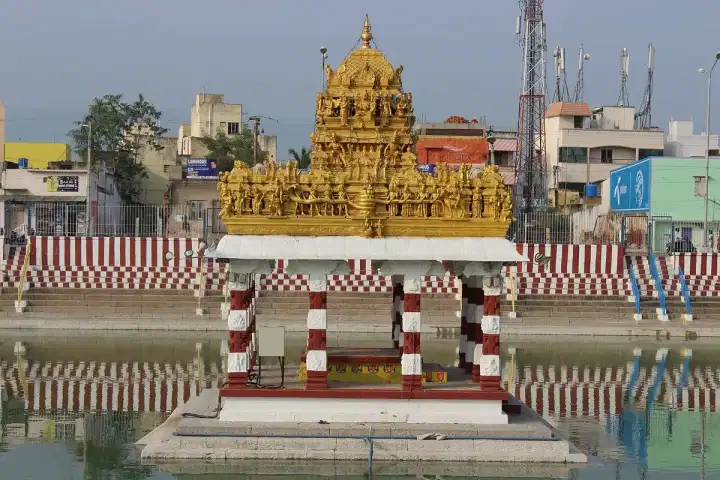
Sri Padmavathi Ammavari Temple, Tiruchanur
Tiruchanur, Andhra PradeshTiruchanur
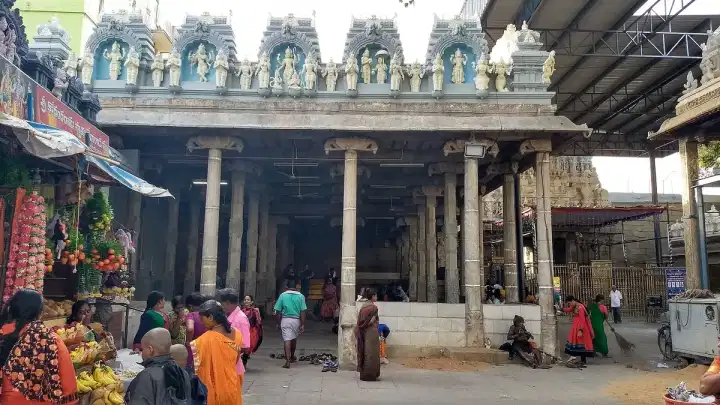
Sri Govindaraja Swamy Temple
Tirupati, Andhra PradeshTirupati
Sri Kapileswara Swamy Temple
Tirupati, Andhra PradeshTirupati
Recommended Pujas
View all pujas →View allThis information is for awareness only. This temple is not a Vedamandir partner temple.