


Lepakshi Sri Veerabhadra Swamy Temple
Shiva as the warrior Veerabhadra in Lepakshi, among carved pillars and some of the finest Vijayanagara murals
Lepakshi, Sri Sathya Sai, Andhra Pradesh

Open daily · 06:00 to 18:00
- General darshan
- Free
- Dress code
- -
- Best season
- -
About the temple
Sri Veerabhadra Swamy Temple stands in Lepakshi, in the Sri Sathya Sai district of Andhra Pradesh. It is dedicated to Lord Veerabhadra, the fierce warrior form of Shiva. The temple was built in the 16th century under the Vijayanagara Empire by two brothers, Virupanna and Viranna. They served at Penukonda during the reign of King Achyuta Deva Raya, and the state paid for the construction. Today it is a centrally protected monument of national importance. Devotees and art lovers come to see its hanging pillar, its richly carved columns and the bright Vijayanagara murals that cover the ceilings with scenes from the Ramayana, the Mahabharata and the Puranas. The site also holds twenty-one inscriptions, many of them in Kannada script.
Significance
The Skanda Purana counts Lepakshi among the divyakshetras, the sacred places of Lord Shiva. Here Shiva is worshipped as Veerabhadra, the warrior deity whom tradition invoked for protection in times of war. Daily worship includes Abhishekam and Archana. Devotees receive betel leaf (tamboolam) as prasadam. They are also given the Sadari blessing, in which a metal replica of the Lord's feet is touched to the head.
History
- 1Puranic era · A divyakshetra of Shiva
The Skanda Purana names Lepakshi among the sacred pilgrimage sites of Lord Shiva.
- 216th century · Built by Virupanna and Viranna
Brother courtiers of King Achyuta Deva Raya at Penukonda built the temple with state funds.
- 316th century · Murals and inscriptions
Ceiling murals in Vijayanagara style were painted, and 21 inscriptions were recorded at the site.
- 4Present · Protected monument
The temple is a centrally protected monument of national importance.
Architecture
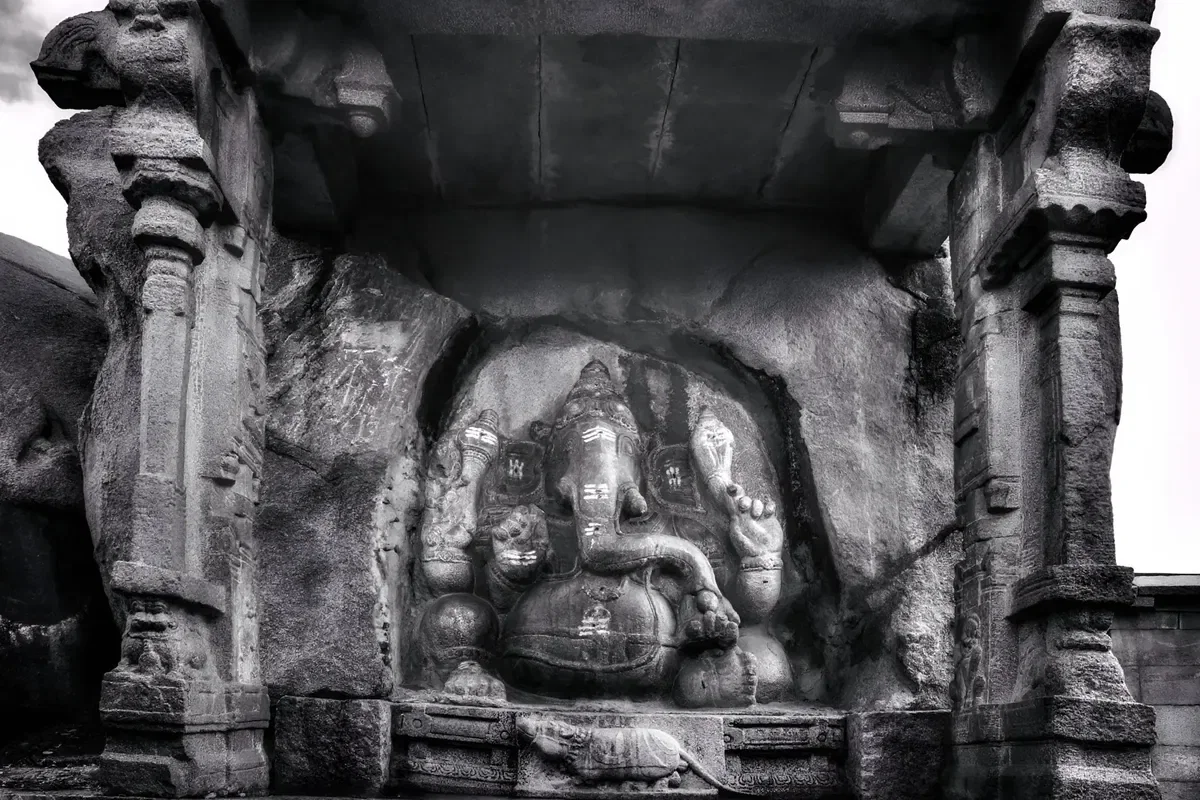
The temple sits within two walled enclosures, and the northern gate of the outer wall is the one in regular use. The main shrine has three parts: a large open assembly hall (Mukha or Natya mantapa), an antechamber and the sanctum. Figures of Ganga and Yamuna flank the sanctum entrance. The pillars are carved with deities, musicians, dancers and fifteen forms of Shiva. The ceiling murals, painted in mineral and vegetable colours on a red ground, show scenes from the epics.
Daily seva timings
Indicative — confirm on the temple's official site before visiting
Indicative — confirm on the temple's official site before visiting
Offerings & festivals
A ten-day celebration that includes the temple car (rath) festival
A four-day festival held in the month of Bhadrapada
The great night of Shiva, observed at the temple
The festival of lamps, observed at the temple
How to reach
The nearest airport is Sri Sathya Sai Airport, Puttaparthi, around 58 km away.
The nearest railway station is Hindupur, around 14 km from the temple.
The temple is 140 km from Bengaluru and 12 km off NH-7 near the Karnataka–Andhra Pradesh border. It can also be reached via Hindupur or Penukonda (35 km). Buses and taxis run from Bengaluru and Anantapur.
-
Frequently asked questionsFAQs
Yes. General darshan at the temple is free.
More temples in Andhra PradeshMore in Andhra Pradesh
View all →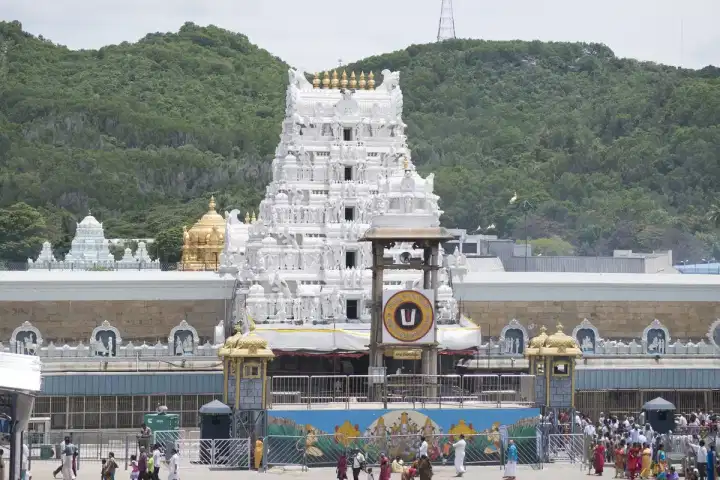
Tirumala Sri Venkateswara Temple
Tirumala, Andhra PradeshTirumala
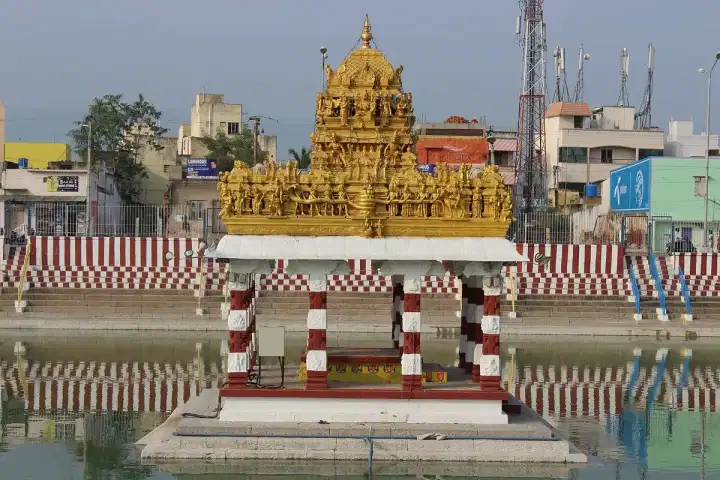
Sri Padmavathi Ammavari Temple, Tiruchanur
Tiruchanur, Andhra PradeshTiruchanur
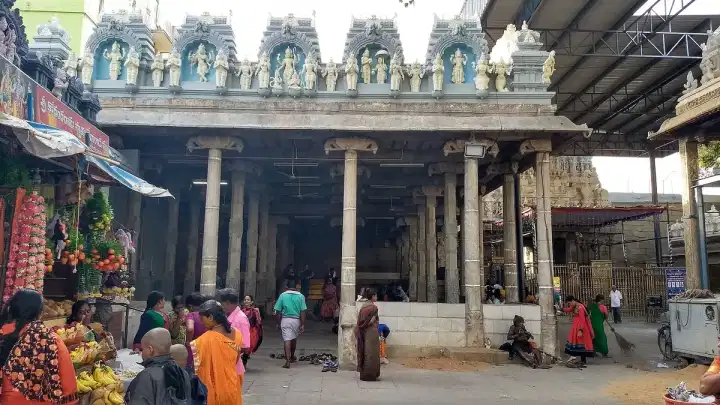
Sri Govindaraja Swamy Temple
Tirupati, Andhra PradeshTirupati
Sri Kapileswara Swamy Temple
Tirupati, Andhra PradeshTirupati
Recommended Pujas
View all pujas →View allThis information is for awareness only. This temple is not a Vedamandir partner temple.