


Nanjangud Sri Srikanteshwara Temple
Lord Nanjundeshwara, the poison-swallowing Shiva, on the banks of the Kapila river in Nanjangud
Nanjangud, Mysuru, Karnataka

Daily 06:00–13:00 and 16:00–20:30
- Darshan
- -
- Dress code
- Modest, traditional attire is expected. No specific garment rule is stated.
- Best season
- -
About the temple
Sri Srikanteshwara Temple, also called the Nanjundeshwara Temple, is an ancient Shiva temple in the pilgrim town of Nanjangud in Mysuru district, Karnataka. It stands on the right bank of the Kapila river, a tributary of the Kaveri, 23 km from Mysore. Here Shiva is worshipped as Nanjundeshwara, the lord who swallowed poison to save the universe. Because of its holiness, Nanjangud is lovingly known as Dakshina Kashi, the Kashi of the South, and a pilgrimage here is considered especially meritorious. The temple grew over many centuries, from a small Western Ganga shrine into a large complex crowned by a nine-storey gopuram added by the Mysore royal family in the 19th century.
Significance
The Shiva Purana refers to this place as Sri Garalapuri. In the temple's legend, Shiva appeared here at the plea of the Devas and sage Narada to destroy the demon Keshi, and promised that a part of his divine self would stay to bless people. Devotees bathe in the river and pray to Nanjundeshwara to be freed from sins. Another story tells of a gem from Parvati's crown falling into the river, after which Shiva named the spot Dakshina Manikarnika Ghat. The Lord is also remembered as Hakim Nanjunda, the healer.
History
- 1Western Ganga period · Original shrine
The Western Gangas set up a smaller shrine at this sacred site.
- 211th century · Chola sanctum
The garbhagriha, the inner sanctum, was built during the Chola period.
- 313th century · Hoysala additions
The front mandapa was added under the Hoysala kings.
- 41644 · Great Nandi installed
Dalavayi Vikramaraya installed an eight-foot stone Nandi facing the Lord.
- 51845 · Main gopuram completed
The towering main gopuram was completed by the queen of Mysore king Krishnaraja Wadiyar III.
Architecture
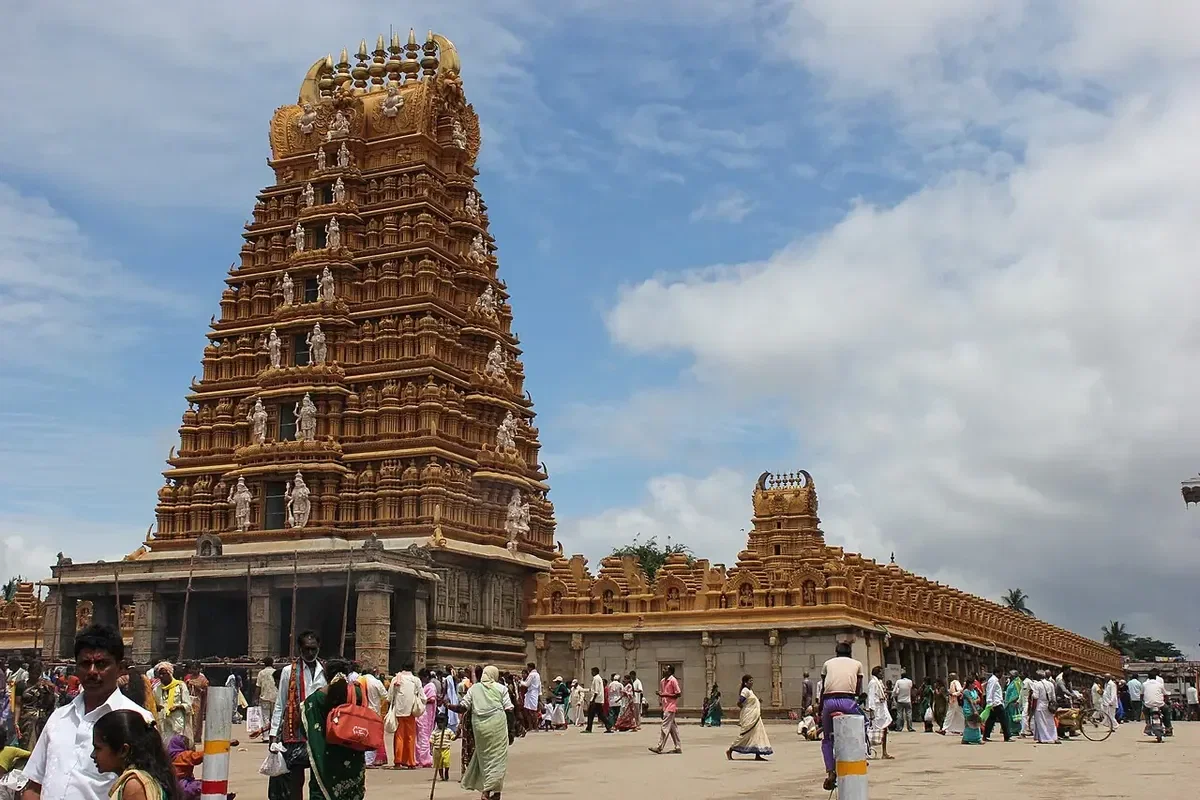
The temple follows the Dravidian style and shows the work of several dynasties. The inner sanctum dates to the Chola period, the front mandapa was added by the Hoysalas, and a Vijayanagara-era brick-and-mortar shikhara rises over the sanctum. The entrance is marked by a nine-storey gopuram, 120 feet tall and topped with seven gold-plated kalashas, built by the Mysore royal family. An eight-foot stone Nandi installed in 1644 faces the Lord.
Daily seva timings
Indicative — confirm on the temple's official site before visiting
Indicative — confirm on the temple's official site before visiting
Offerings & festivals
-
The main chariot festival, when five chariots are pulled along the ratha beedi.
The jade lingam with its emerald necklace is shown to devotees once a year.
The smaller chariot festival of the temple.
-
How to reach
Mysore Airport is the nearest airport, 20 km away.
Nanjangud Town railway station lies on the line linking Mysore and Chamarajanagar.
Nanjangud is 23 km from Mysore. Buses and taxis run from Mysore, Bangalore and Chamarajanagar.
-
Frequently asked questionsFAQs
Yes, general darshan is free.
More temples in KarnatakaMore in Karnataka
View all →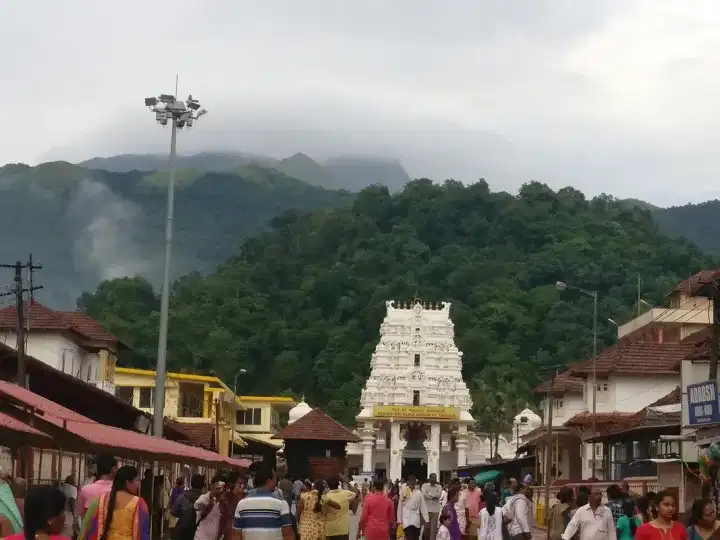
Kukke Sri Subrahmanya Temple
Subrahmanya, KarnatakaSubrahmanya
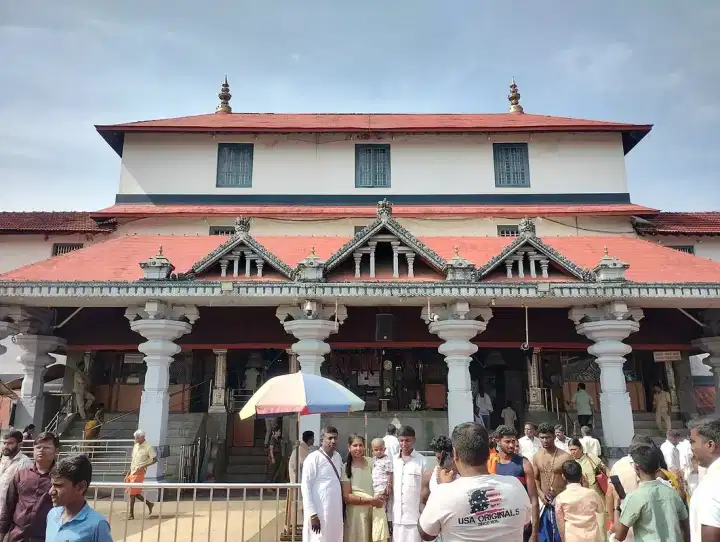
Dharmasthala Sri Manjunatha Temple
Dharmasthala, KarnatakaDharmasthala
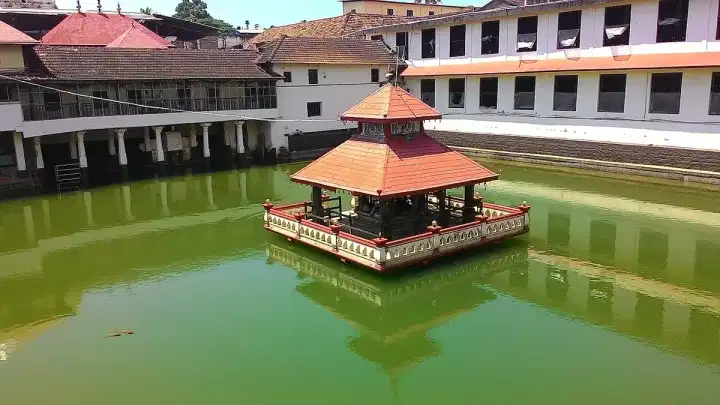
Udupi Sri Krishna Matha
Udupi, KarnatakaUdupi
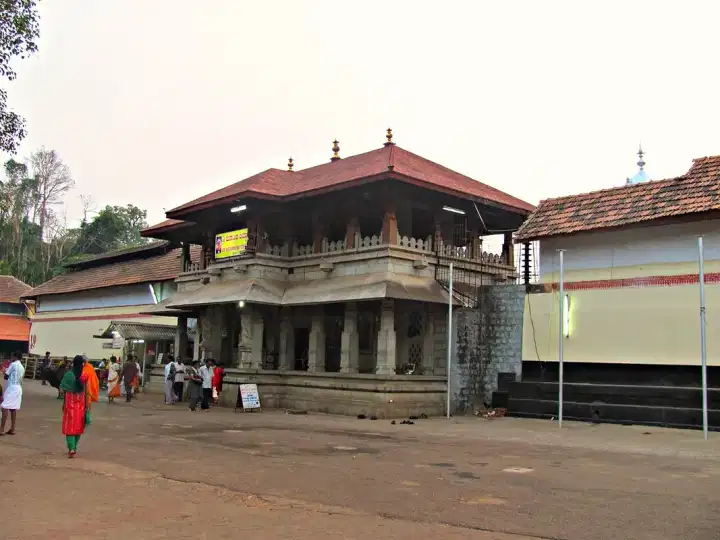
Kollur Sri Mookambika Temple
Kollur, KarnatakaKollur
Recommended Pujas
View all pujas →View allThis information is for awareness only. This temple is not a Vedamandir partner temple.