


Ramappa Temple (Sri Rudreswara Swamy)
Lord Rudreshwara's 13th-century shrine in Palampet, Telangana, a Kakatiya masterpiece on UNESCO's World Heritage list
Palampet, Mulugu, Telangana

Open daily · 6:00 AM to 6:00 PM
- Darshan
- -
- Dress code
- Modest dress is recommended. Footwear and leather items must be left outside, and lockers are available for a small fee.
- Best season
- -
About the temple
Ramappa Temple, formally the Rudreshwara Temple, stands in the village of Palampet in Mulugu district, eastern Telangana. It is dedicated to Lord Shiva as Rudreshwara, a name that joins Rudra and Ishvara. A pillar inscription in a nearby courtyard records that Recherla Rudra, a general of the Kakatiya dynasty, commissioned the temple in 1213 during the reign of King Ganapati. The work went on for 40 years. Today it is a living Shiva temple and a protected monument in the care of the Archaeological Survey of India. In July 2021 it was inscribed as a UNESCO World Heritage Site. Visitors come for its star-shaped platform, polished black stone sculptures and its remarkably light 'floating brick' tower.
Significance
Ramappa is celebrated as the finest example of Kakatiya craftsmanship in the Deccan. Its builders steadied the structure against earthquakes with a sand-filled foundation. They used porous bricks light enough to float for the upper tower. The graceful madanika bracket figures of dancers are among its most admired carvings. UNESCO records that the central hall served for more than worship. It was also used for discussions, settling disputes, swearing treaty oaths, and music and dance. For devotees, Maha Shivaratri is the key day of worship here.
History
- 11213 CE · Construction begins
General Recherla Rudra commissions the temple under Kakatiya king Ganapati. Building takes 40 years.
- 21310 · Siege of Warangal
Malik Kafur's siege causes minor damage to some idols.
- 31914–1916 · Protection and conservation
Declared a protected monument in 1914. Ghulam Yazdani begins conservation work.
- 41948 · ASI takes charge
Management passes to the Archaeological Survey of India.
- 525 July 2021 · UNESCO World Heritage Site
The temple is inscribed on UNESCO's World Heritage list.
Architecture
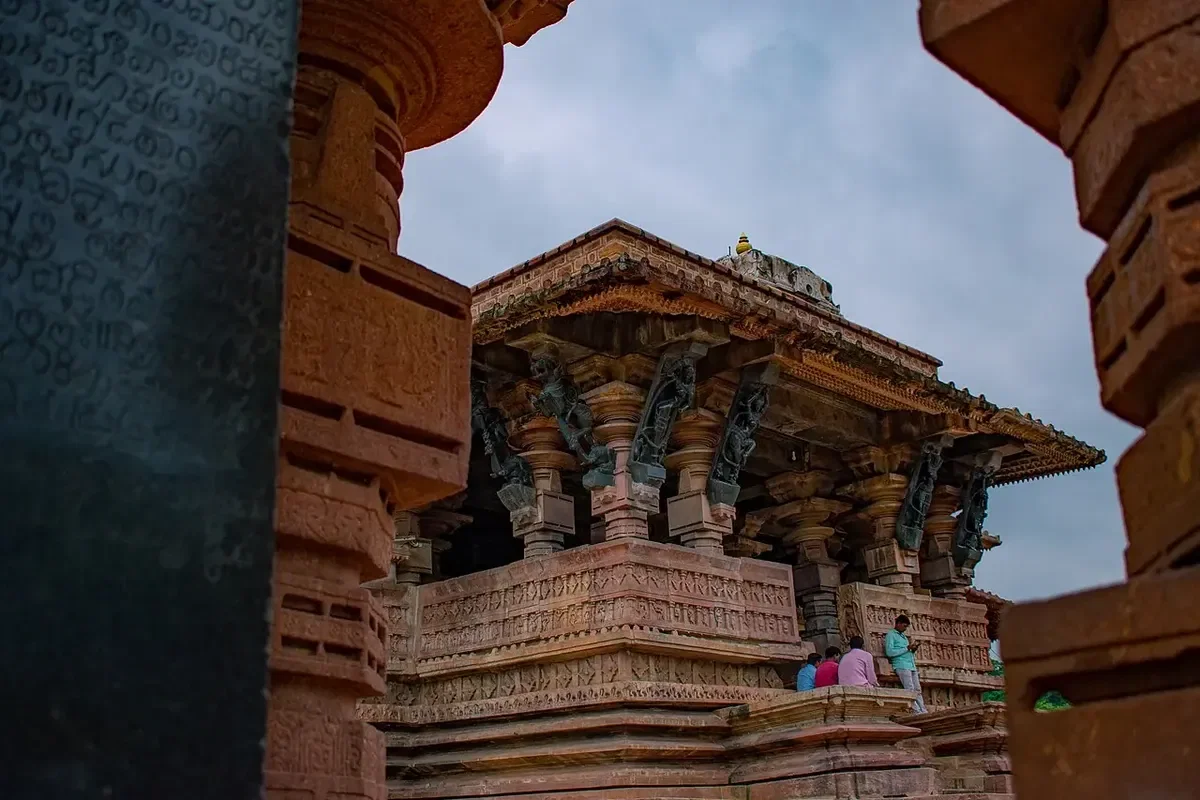
The east-facing temple sits on a raised, star-shaped sandstone platform inside a walled rectangular compound. The walls are pink sandstone, while the columns, beams and ceiling slabs are granite. Many sculptures and bracket figures were carved from black dolerite and polished to a mirror shine. Inside are the sanctum, an antechamber and a large pillared hall with three entrance porches and a platform for dancers. A five-storied vimana built of light, porous bricks rises over the sanctum.
Daily seva timings
Indicative — confirm on the temple's official site before visiting
Indicative — confirm on the temple's official site before visiting
Offerings & festivals
-
The main Shiva festival at this living temple.
How to reach
Rajiv Gandhi International Airport, Hyderabad, is the nearest major airport, about 150 km away.
Warangal railway station is about 70 km away. Hanamkonda station is also nearby.
Palampet is about 19 km from Mulugu district headquarters. Regular buses run from Warangal and Mulugu, a journey of about 2 hours.
-
Frequently asked questionsFAQs
The temple is open every day from 6:00 AM to 6:00 PM for visitors and darshan.
More temples in TelanganaMore in Telangana
View all →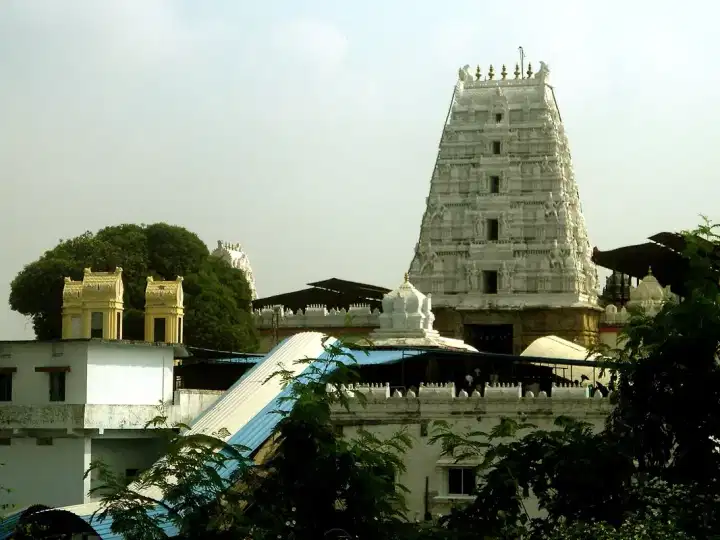
Yadadri Sri Lakshmi Narasimha Swamy Temple
Yadagirigutta, TelanganaYadagirigutta
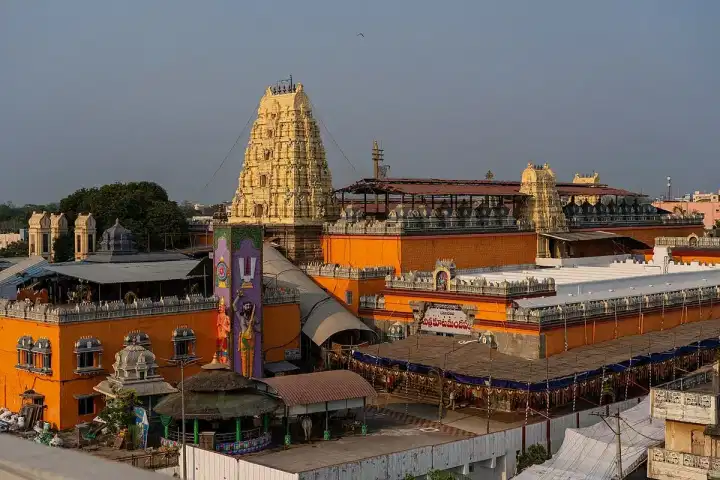
Bhadrachalam Sri Sita Ramachandra Swamy Temple
Bhadrachalam, TelanganaBhadrachalam
Sri Raja Rajeswara Swamy Temple, Vemulawada
Vemulawada, TelanganaVemulawada
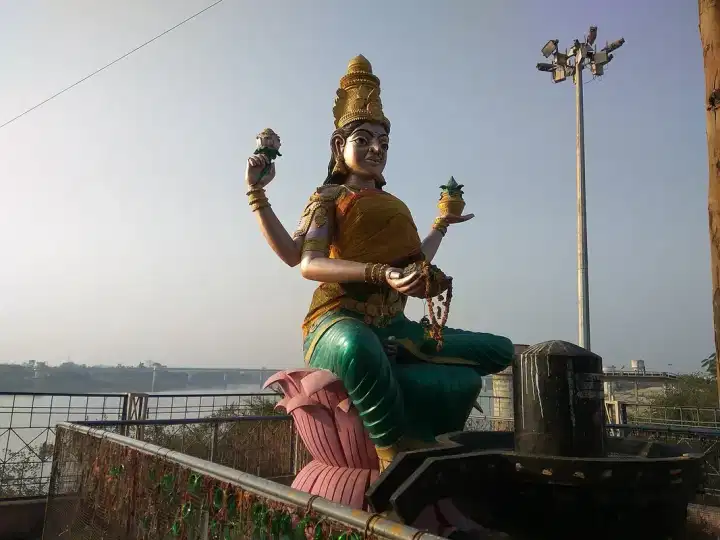
Sri Gnana Saraswathi Temple, Basara
Basara, TelanganaBasara
Recommended Pujas
View all pujas →View allThis information is for awareness only. This temple is not a Vedamandir partner temple.