


Shri Saibaba Samadhi Mandir, Shirdi
Pray at the samadhi of Sai Baba, the saint of Shirdi revered by people of every faith.
Shirdi, Ahilyanagar (Ahmednagar), Maharashtra
Opens 04:45 · Kakad Aarti 05:15 to Shej Aarti 22:00
- General darshan
- Free
- Paid darshan pass
- ₹200
- Dress code
- There is no strict official dress code. Modest clothing is advised: avoid shorts, and men are asked to remove headwear.
- Best season
- -
About the temple
The Shri Saibaba Samadhi Mandir in Shirdi, Maharashtra, is built over the samadhi of Sai Baba, the 19th-century saint who spent most of his life in this small town. Millions of devotees from India and abroad visit every year, which makes it one of the country's busiest pilgrimage sites. The shrine began as a wada, a mansion that Nagpur devotee Gopalrao Buti was building for Baba. After Baba's Mahasamadhi in 1918, his body was laid to rest there, and the building grew into the temple that stands today. Around it lie other places linked to Baba's life: Dwarkamai, Chavadi, Gurusthan and Lendi Baug. A trust runs the temple. The day follows a fixed rhythm of aartis, from Kakad Aarti before dawn to Shej Aarti at night.
Significance
Sai Baba drew Hindus and Muslims alike because he treated people of all faiths as one. His followers regard him as an incarnation of Lord Dattatreya. The Samadhi Mandir marks his final resting place, and devotees come here to offer prayers at his samadhi and seek his blessings. After darshan they receive prasad and Udi, the sacred ash from Baba's dhuni. The dhuni is the fire at Dwarkamai, and it still burns today. For many families a visit to Shirdi is a lifelong vow of faith.
History
- 1Late 19th–early 20th century · Sai Baba makes Shirdi his home
Sai Baba lived in Shirdi for most of his life.
- 2Early 20th century · Buti Wada begins
Gopalrao Buti, a devotee from Nagpur, began building a wada (mansion) meant for Baba.
- 315 October 1918 · Mahasamadhi
Sai Baba passed away and was laid to rest in the wada, which became the Samadhi Mandir.
- 4Today · A sacred complex
The complex includes the Samadhi Mandir, Dwarkamai, Chavadi, Gurusthan and Lendi Baug.
Architecture
The Samadhi Mandir grew out of a wada, a traditional mansion, that was first planned as a home for Sai Baba. Close by are several sites linked to his life. Dwarkamai is where Baba lived for over 60 years, and its sacred dhuni fire still burns. Chavadi is where he slept on alternate nights. Gurusthan is the spot under a neem tree where he was first seen meditating. Lendi Baug is a garden Baba developed, and it holds the ever-burning Nanda Deep.
Daily seva timings
As published on the temple's official site
As published on the temple's official site
Offerings & festivals
One of the three main festivals celebrated by the temple trust.
A major festival honouring Sai Baba as the guru.
Remembers Sai Baba's Mahasamadhi in 1918.
How to reach
Shirdi Airport is the nearest airport. Prepaid taxis and shared cabs take 25–30 minutes to reach town.
Sainagar Shirdi is the nearest railway station.
Frequent MSRTC buses link Shirdi with Mumbai, Pune and Chhatrapati Sambhajinagar (Aurangabad).
-
Frequently asked questionsFAQs
Yes. General darshan at the Samadhi Mandir is free. Paid options include a darshan pass (₹200), a Kakad Aarti pass (₹600) and passes for Madhyan, Dhoop or Shej Aarti (₹400).
More temples in MaharashtraMore in Maharashtra
View all →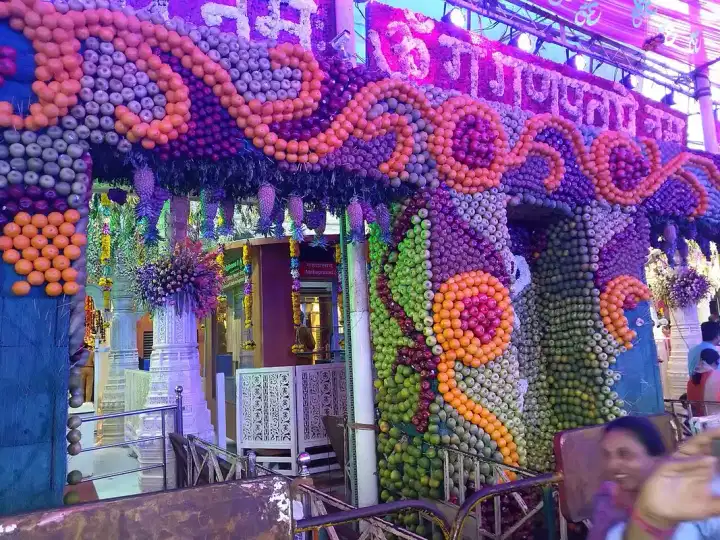
Shree Siddhivinayak Temple
Prabhadevi, MaharashtraPrabhadevi
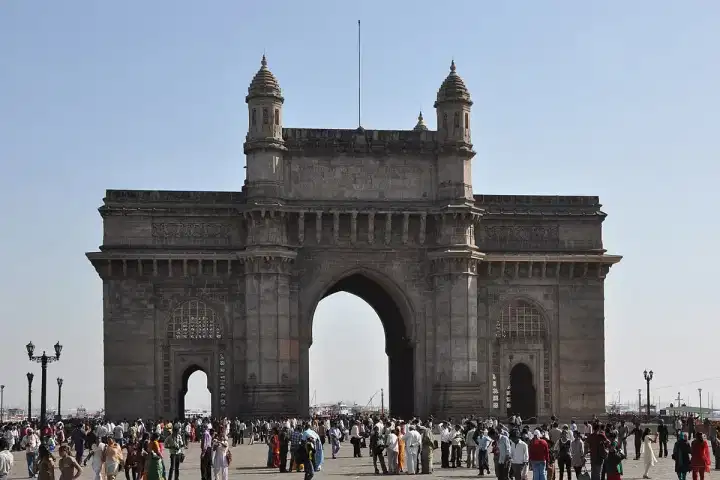
Mahalakshmi Temple, Mumbai
Mumbai, MaharashtraMumbai
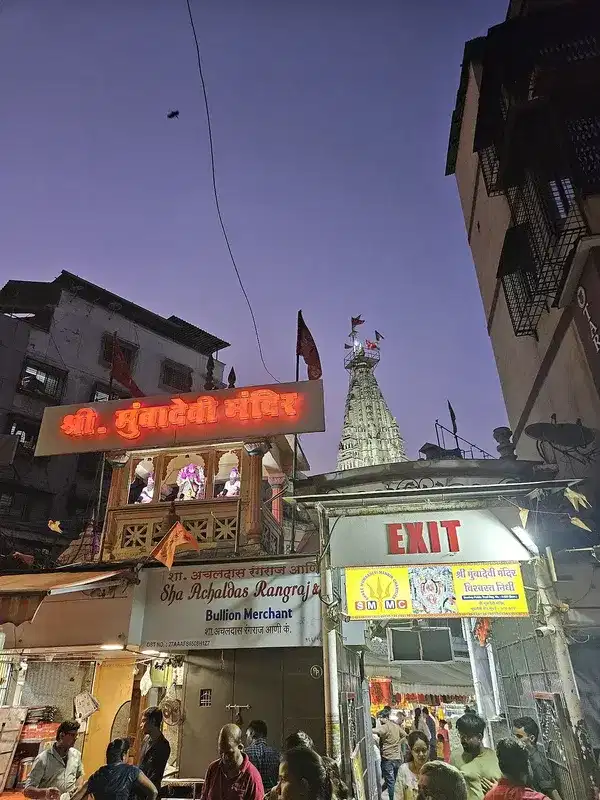
Mumba Devi Temple, Bhuleshwar
Bhuleshwar, Mumbai, MaharashtraBhuleshwar, Mumbai
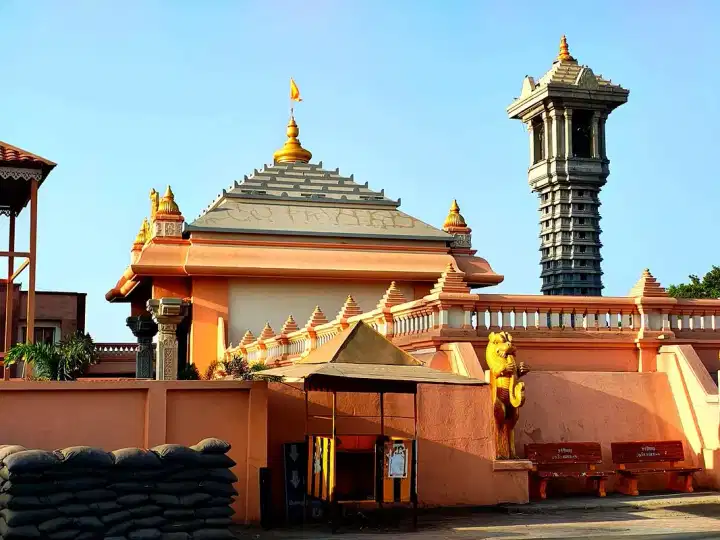
Shani Shingnapur Temple
Shani Shingnapur, MaharashtraShani Shingnapur
Recommended Pujas
View all pujas →View allThis information is for awareness only. This temple is not a Vedamandir partner temple.