


Sri Cheluvanarayana Swamy Temple, Melukote
A Vaishnava shrine in Melukote, Karnataka, revived by Ramanujacharya and crowned each year with the Vairamudi.
Melukote, Mandya, Karnataka

Darshan 7:30 AM–1 PM, 4–6 PM and 7–8 PM
- General darshan
- -
- Dress code
- -
- Best season
- -
About the temple
Sri Cheluvanarayana Swamy Temple, also called Thirunarayanapuram, stands at the foot of the Melukote hills in Mandya district, Karnataka. It is linked with the Yoga Narasimha shrine on the rocky hilltop above, which looks out over the Kaveri valley. The presiding deity is Lord Cheluvanarayana Swamy, a form of Vishnu also known as Tirunarayana and Cheluvapille Raya; old inscriptions call him Ramapriya. The temple grew under the Hoysalas, the Vijayanagara empire and the Mysore Wadiyars, and is closely tied to Ramanujacharya, who revived the shrine in the 12th century. It counts among the 108 Abhimana Kshethrams of the Vaishnava tradition and remains one of Karnataka's leading Vaishnava pilgrimage centres. Today it is managed by the state's Hindu Religious and Charitable Endowments (Muzrai) Department.
Significance
Melukote is one of the most important Vaishnava pilgrimage places in Karnataka and is listed among the 108 Abhimana Kshethrams. Devotees honour it as the place where Ramanujacharya, guided by a dream, found the sacred namam clay and an image of Vishnu, which he installed as Tirunarayana. The temple is best known for the Vairamudi Brahmotsava, when the Lord is adorned with a diamond-studded crown. The temple's royal crowns are kept in government custody and brought out only for the festivals.
History
- 11099 CE · Tirunarayana installed by Ramanuja
After becoming rajaguru in the Hoysala realm, Ramanuja installed the deity following Pancharatra agama.
- 21104 CE · Temple completed
Built with 5,000 gadyanas granted by Vishnuvardhana; the Yadugiri Yathiraja Mutt was set up to run the temple.
- 31578–1617 CE · Rajamudi crown gifted
Raja Wodeyar offered the Rajamudi crown to the deity.
- 41799–1831 CE · Krishnarajamudi crown gifted
Krishnaraja Wodeyar III donated the Krishnarajamudi crown.
- 5Modern era · Under state endowments
The temple and its ceremonial crowns are now looked after by Karnataka's Muzrai Department.
Architecture
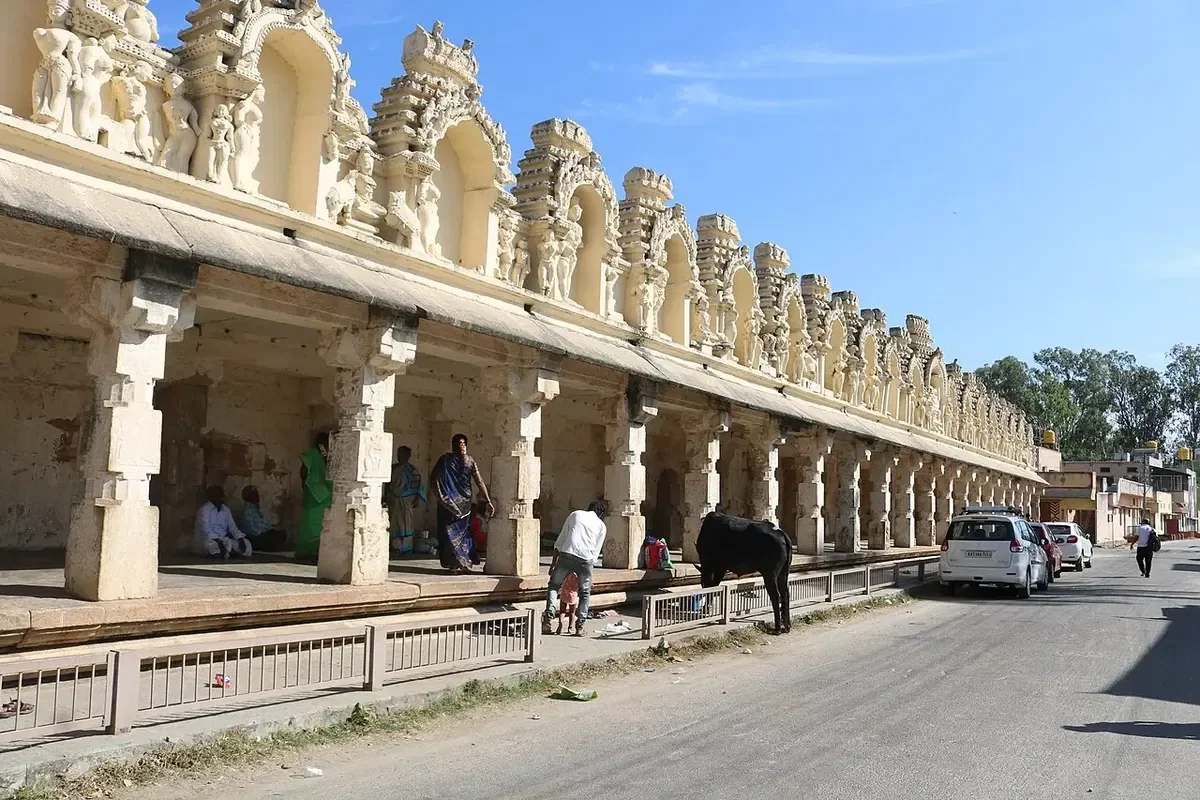
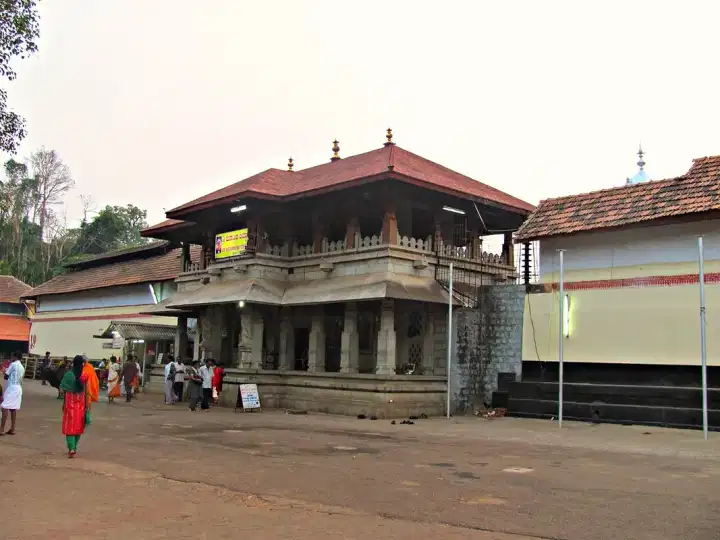
The temple is laid out on a square plan, with the image of Cheluvanarayana Swamy in the sanctum. Its halls hold images of Ramanuja, the Azhwars and Yadugiriamma. Carved pillars line the temple, and its dome-like top is covered with finely detailed sculpture. A metal processional image (utsava murti) of the Lord is used for processions and certain rituals; tradition holds that it was once lost and brought back by Ramanujacharya.
Daily seva timings
Indicative — confirm on the temple's official site before visiting
Indicative — confirm on the temple's official site before visiting
Offerings & festivals
The annual jatra, when the Lord is adorned with the royal diamond-studded Vairamudi crown.
Festival featuring the Krishnarajamudi crown gifted by Krishnaraja Wodeyar III.
Festival featuring the Rajamudi crown offered by Raja Wodeyar.
How to reach
Mysuru airport is the nearest, about 50 km away, with limited flights.
Mandya is the nearest railway station.
About 48 km from Mysuru and 156 km from Bengaluru. Buses run from Mandya and Srirangapatna; taxis are available from Bengaluru and Mysuru.
-
Frequently asked questionsFAQs
Darshan is held daily from 7:30 AM to 1 PM, 4 PM to 6 PM and 7 PM to 8 PM. Timings change during festivals.
More temples in KarnatakaMore in Karnataka
View all →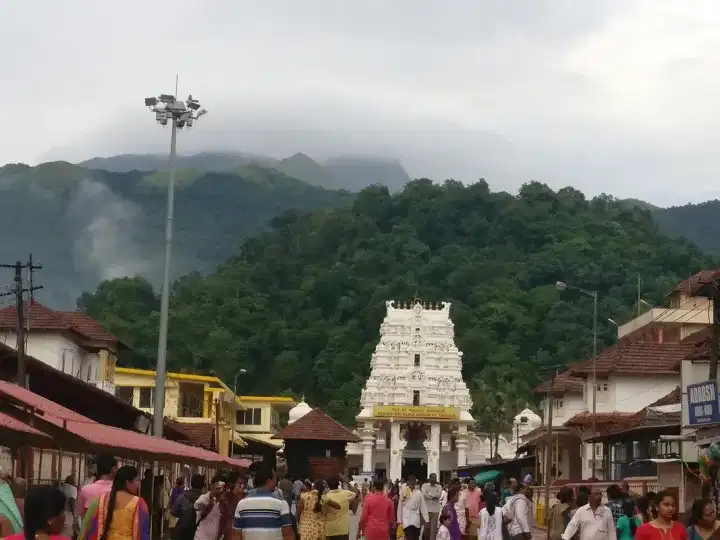
Kukke Sri Subrahmanya Temple
Subrahmanya, KarnatakaSubrahmanya
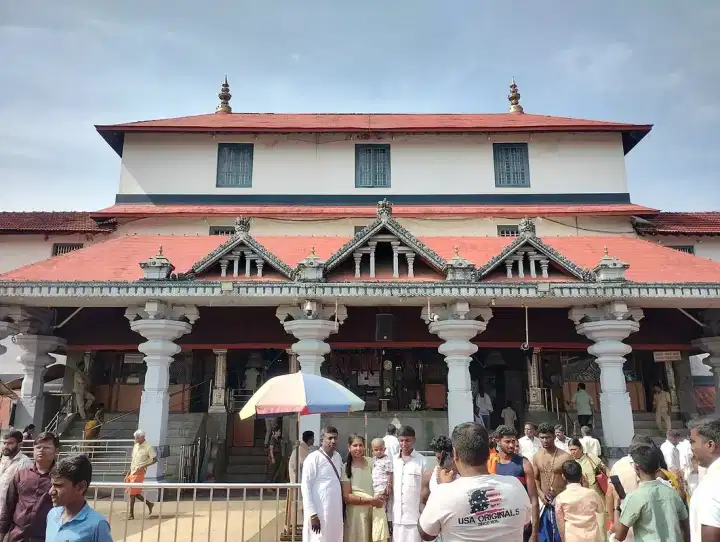
Dharmasthala Sri Manjunatha Temple
Dharmasthala, KarnatakaDharmasthala
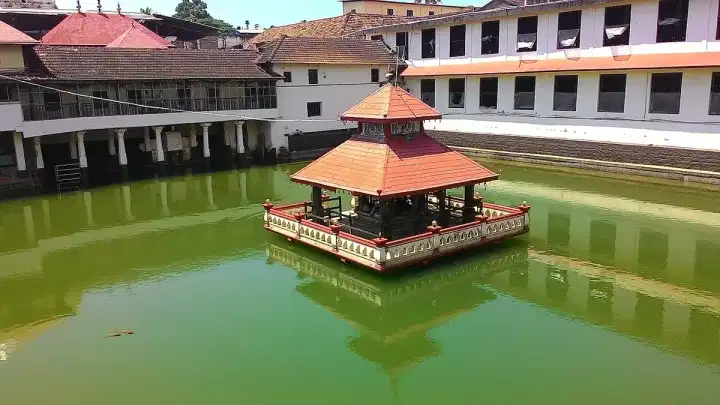
Udupi Sri Krishna Matha
Udupi, KarnatakaUdupi
Kollur Sri Mookambika Temple
Kollur, KarnatakaKollur
Recommended Pujas
View all pujas →View allThis information is for awareness only. This temple is not a Vedamandir partner temple.