


Sri Jogulamba Temple, Alampur
A Maha Shakti Peeth at Alampur on the Tungabhadra, close to where it meets the Krishna river
Alampur, Jogulamba Gadwal, Telangana

Open daily 7 AM–1 PM and 2 PM–8:30 PM
- Darshan
- -
- Dress code
- Traditional Indian dress is expected.
- Best season
- -
About the temple
Sri Jogulamba Temple in Alampur, Telangana, is home to Goddess Jogulamba, a form of Shakti. It counts among the eighteen Maha Shakti Peethas, the most revered shrines of the Goddess, and is honoured as the fifth of them. Alampur sits on the banks of the Tungabhadra, near the point where it joins the Krishna. The temple shares its complex with the Navabrahma Temples, nine Shiva shrines from the 7th and 8th centuries CE. The goddess is worshipped together with Lord Bala Brahmeswara of the neighbouring temple. Daily worship includes morning and evening darshan with aarti. In 2019 the Ministry of Tourism added the temple to its PRASAD scheme to improve pilgrim facilities and protect the heritage of the site.
Significance
Devotees believe the upper teeth of Sati Devi fell at this spot, which makes it a Shakti Peeth. The story of Daksha's yagna and Sati's sacrifice is the origin of all Shakti Peethas. Goddess Jogulamba appears in a fierce seated form on a corpse, showing her power over death. A scorpion, a frog and a lizard are carved above her head. They stand for her power to remove poison, disease and negative forces and to grant spiritual siddhi. Ganesha, Veerabhadra and the Saptamatrikas share her sanctum.
History
- 17th–8th century · Badami Chalukya shrine
The first shrine was built under the Badami Chalukyas, along with the nine Navabrahma temples.
- 21390 CE · Bahmani destruction
Bahmani Sultanate campaigns badly damaged the temple complex.
- 31390–2005 · Idol kept safe
Priests moved the Goddess's idol and worshipped it in a chamber of the Bala Brahma temple for six centuries.
- 42005 · Temple rebuilt
The temple was rebuilt on its original site and the original idol was reinstalled.
- 52019 · Added to PRASAD scheme
The Ministry of Tourism included the temple to fund heritage care and pilgrim facilities.
Architecture
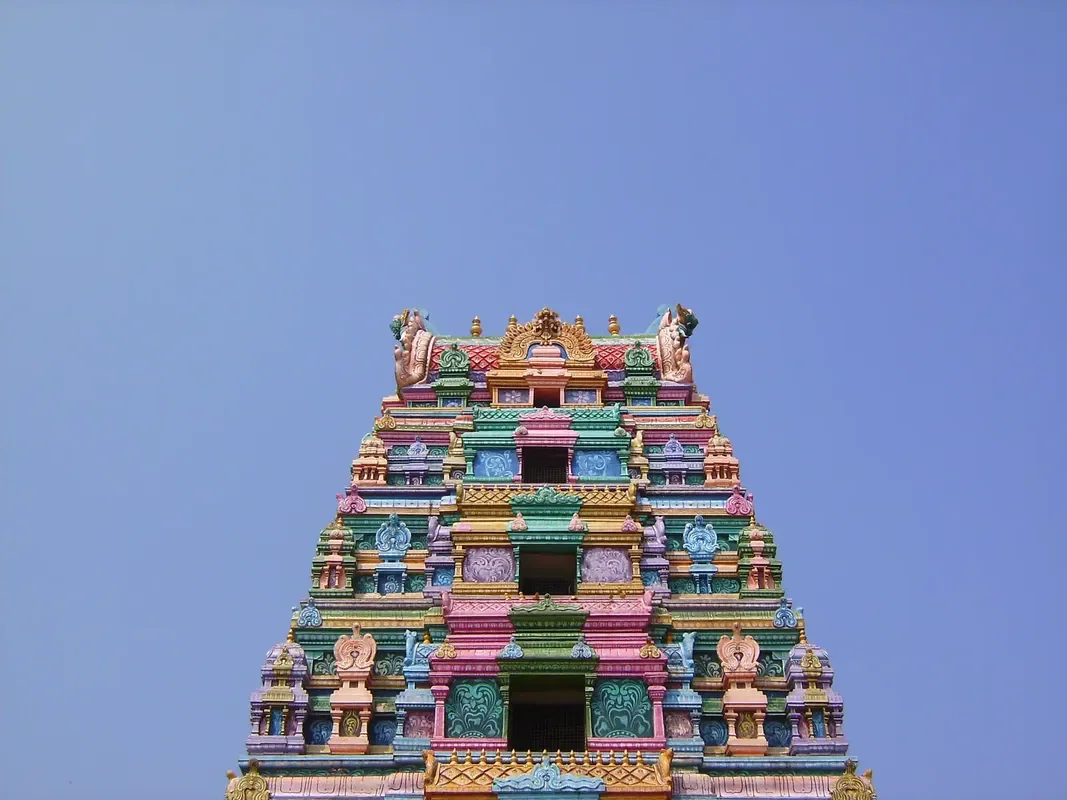
The present Dravidian-style temple was rebuilt in 2005 on the site of the original Badami Chalukya shrine. It stands in the same complex as the Navabrahma Temples, nine Shiva shrines from the 7th and 8th centuries CE. In the sanctum, Goddess Jogulamba sits in a fierce form on a corpse. A scorpion, a frog and a lizard are carved above her head. Idols of Ganesha, Veerabhadra and the seven mother goddesses, the Saptamatrikas, share the main sanctum with her.
Daily seva timings
Indicative — confirm on the temple's official site before visiting
Indicative — confirm on the temple's official site before visiting
Offerings & festivals
The main festival of the Goddess, with special alankarams and Chandi Homas.
Spring Navaratri, with decorations and Chandi Homas that draw many pilgrims.
Kept with the Bala Brahmeswara temple to mark the union of Shiva and Shakti.
How to reach
Hyderabad airport is the nearest, 220 km away.
Alampur Road railway station is the nearest, 9 km from the temple.
26 km from Kurnool and 220 km south of Hyderabad on the Hyderabad–Bangalore highway. Direct buses run from Hyderabad and Kurnool.
-
Frequently asked questionsFAQs
The temple is open daily for darshan from 7 AM to 1 PM and again from 2 PM to 8:30 PM.
More temples in TelanganaMore in Telangana
View all →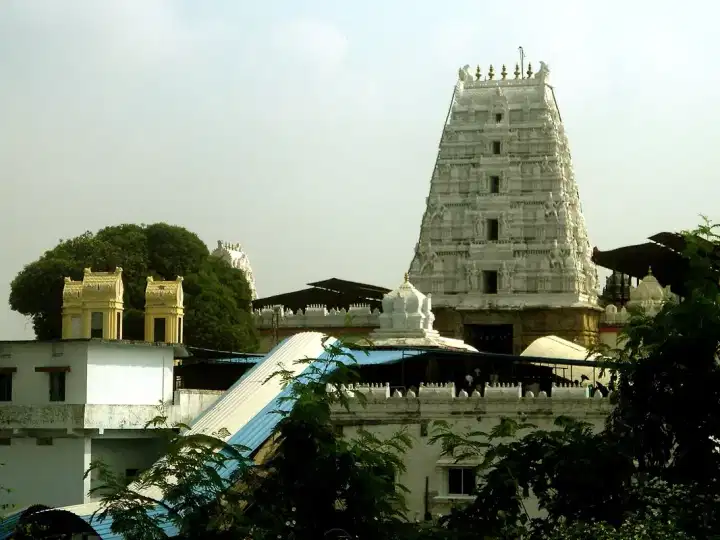
Yadadri Sri Lakshmi Narasimha Swamy Temple
Yadagirigutta, TelanganaYadagirigutta
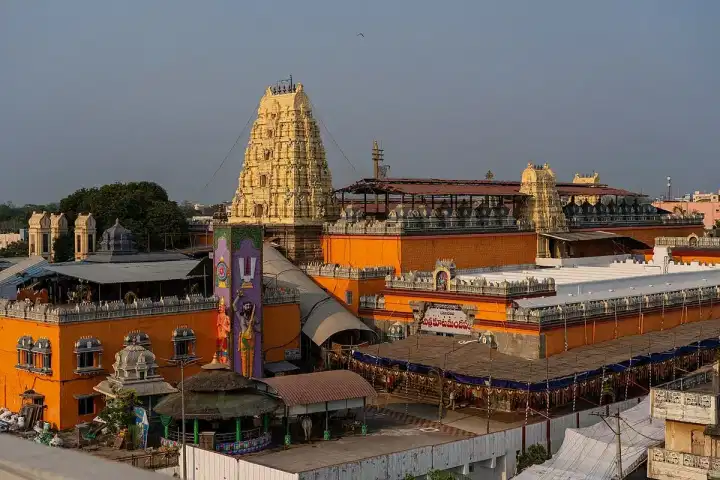
Bhadrachalam Sri Sita Ramachandra Swamy Temple
Bhadrachalam, TelanganaBhadrachalam
Sri Raja Rajeswara Swamy Temple, Vemulawada
Vemulawada, TelanganaVemulawada
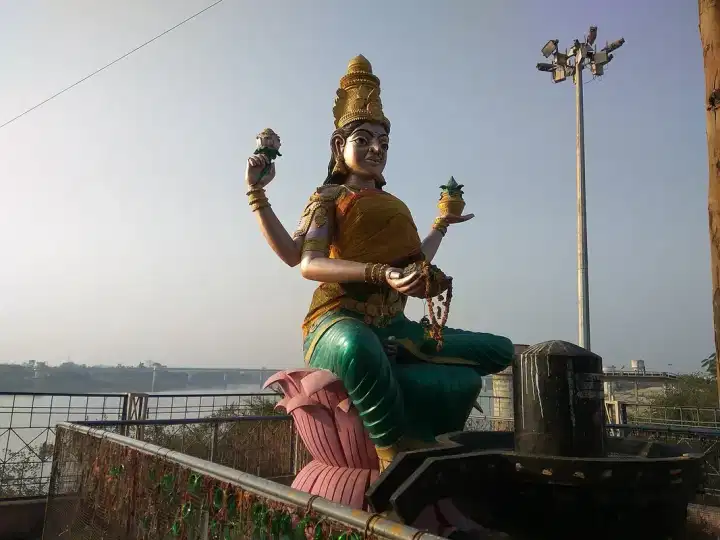
Sri Gnana Saraswathi Temple, Basara
Basara, TelanganaBasara
Recommended Pujas
View all pujas →View allThis information is for awareness only. This temple is not a Vedamandir partner temple.