


Aundha Nagnath Temple
Lord Shiva as Nagnath, Lord of Serpents, in a Yadava-era stone temple in Hingoli district, Maharashtra
Aundha, Hingoli, Maharashtra

Opens 05:00 · Darshan closed for renovation since 5 Oct 2026
- Darshan
- -
- Dress code
- Modest, traditional clothing is advised. No strict dress code is enforced.
- Best season
- -
About the temple
Aundha Nagnath Temple stands in the town of Aundha in Maharashtra's Hingoli district. It is dedicated to Lord Shiva as Nagnath, the Lord of Serpents. In Maharashtra it is revered as the eighth of the twelve Jyotirlingas and as the Jyotirlinga of Darukavana, though the same tradition is also linked to Nageshwar in Gujarat. The stone temple dates to the Yadava rulers of Devagiri in the 13th century. The Archaeological Survey of India lists it as a Protected Monument of National Importance. Its most unusual feature is the sanctum. The Jyotirlinga sits in a small basement chamber reached by a narrow flight of stairs. The temple is dear to the Varkari tradition because of Sant Namdev, and it is honoured by both Hindus and Sikhs.
Significance
Devotees believe that in the deodar forest of Darukavana, Lord Shiva appeared to destroy the demoness Daruka, who had been troubling his devotee Supriya. At his devotees' request he then stayed on as the Jyotirlinga Nagnath. Nagnath means Lord of Serpents, so many pilgrims come here seeking relief from Kaal Sarp Dosh and other serpent-related doshas. Varkari devotees also remember Sant Namdev. Temple priests sent him to the back while he sang kirtans, and tradition holds that the whole temple turned to face him. This is why Nandi sits behind the shrine.
History
- 1Legendary · Built by the Pandavas
Legend credits Yudhishthira with building the first shrine during the Pandavas' exile.
- 213th century · Yadava stone temple
The present Hemadpanthi temple was built under the Yadavas of Devagiri, using interlocking stones without mortar.
- 3Sant Namdev's era · Sant Namdev's kirtan
Varkari saint Namdev sang here. Tradition says the temple turned to face him, leaving Nandi at the rear.
- 4Medieval period · Damage in invasions
The temple was badly damaged during invasions by the Delhi Sultanate.
- 518th century · Ahilyabai Holkar renovation
Ahilyabai Holkar of Indore is credited with rebuilding the upper temple and its Maratha-style spire.
Architecture
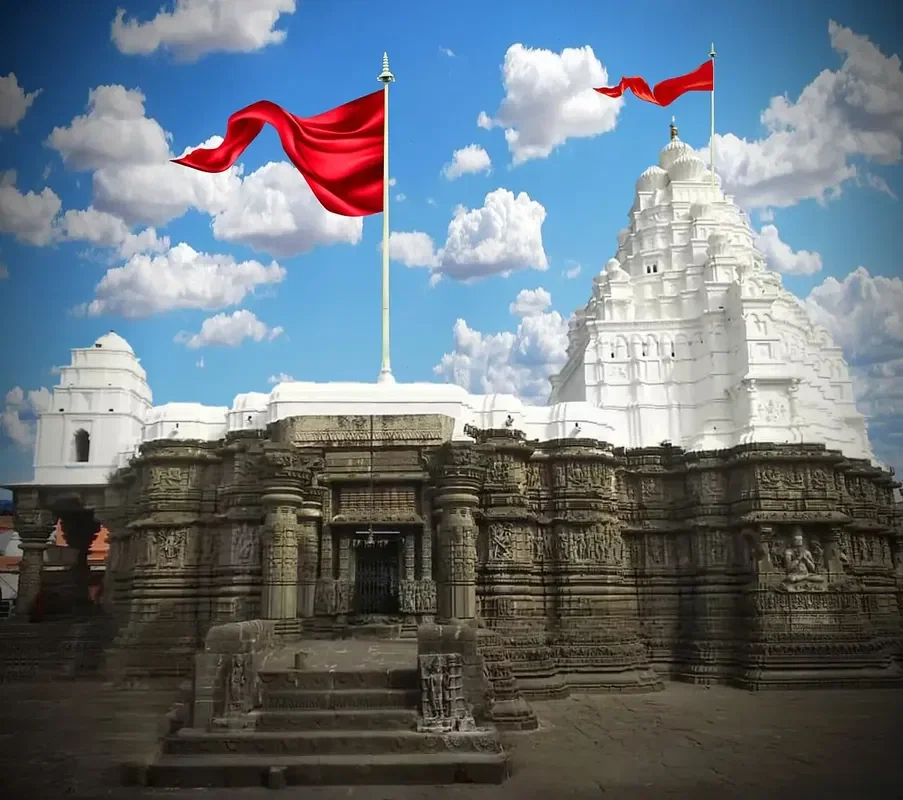
The temple combines work from two periods. The base, outer walls and sanctum are Yadava-era Hemadpanthi work from the 13th century. They are carved with deities, mythological scenes, elephants and geometric patterns. The upper portion and spire were rebuilt later in the Maratha style. The Jyotirlinga rests in a small basement chamber reached by a narrow stairway. Unusually, Nandi's pavilion stands at the rear of the temple, a layout linked to the story of Sant Namdev.
Daily seva timings
Indicative — confirm on the temple's official site before visiting
Indicative — confirm on the temple's official site before visiting
Offerings & festivals
The biggest festival. Lakhs of devotees come, and the Lord rides a decorated chariot in a night procession.
A month of celebration. Kavadiyas walk here with holy water for the Jyotirlinga, especially on Mondays.
The Lord is taken out in a palanquin procession.
How to reach
Nanded is the nearest airport, 54 km from the temple.
Parbhani is the nearest railway station, 50 km away.
25 km from Hingoli, 61 km from Nanded and 204 km from Aurangabad. State transport buses, private buses and taxis run from Hingoli, Nanded, Parbhani and Jalna.
-
Frequently asked questionsFAQs
Darshan has been closed since 5 October 2026 for renovation, and no reopening date has been announced yet. Please check before you travel.
More temples in MaharashtraMore in Maharashtra
View all →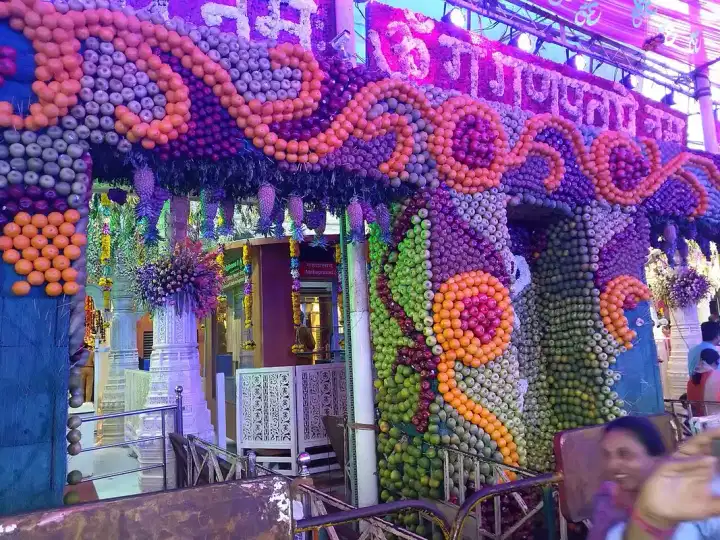
Shree Siddhivinayak Temple
Prabhadevi, MaharashtraPrabhadevi
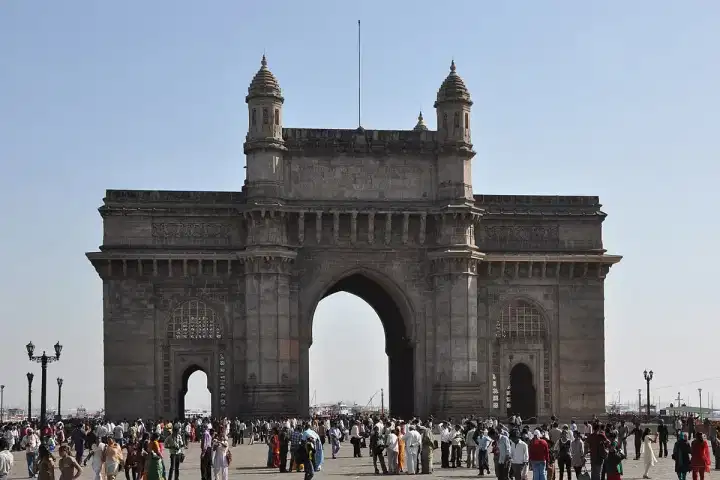
Mahalakshmi Temple, Mumbai
Mumbai, MaharashtraMumbai
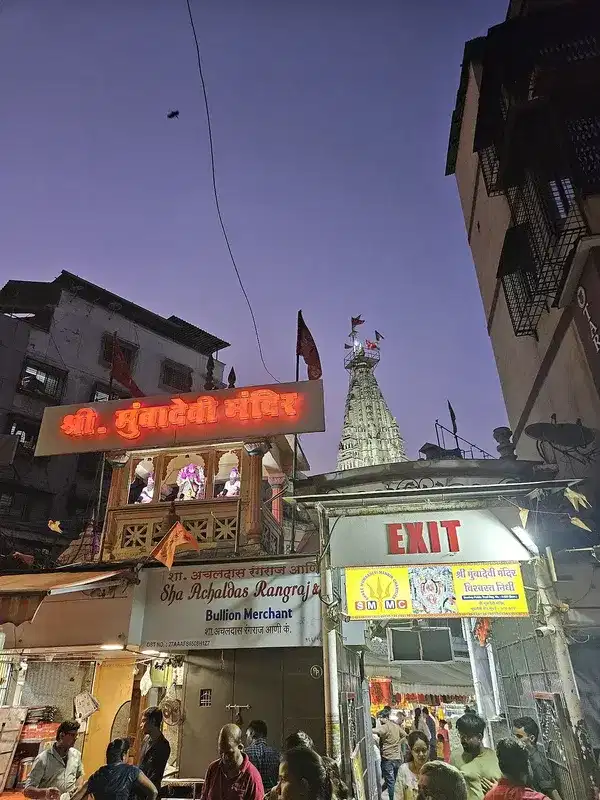
Mumba Devi Temple, Bhuleshwar
Bhuleshwar, Mumbai, MaharashtraBhuleshwar, Mumbai
Shri Saibaba Samadhi Mandir, Shirdi
Shirdi, MaharashtraShirdi
Recommended Pujas
View all pujas →View allThis information is for awareness only. This temple is not a Vedamandir partner temple.