


Bhimashankar Jyotirlinga Temple
A Shiva Jyotirlinga inside the Bhimashankar Wildlife Sanctuary in Pune district, at the source of the Bhima river
Bhimashankar, Pune, Maharashtra

Open daily 05:00 to 21:30 · Morning aarti to night darshan
- General darshan
- Free
- Dress code
- The temple sets no specific dress code; traditional clothing is suggested.
- Best season
- -
About the temple
Bhimashankar Temple stands in the forested Sahyadri hills of Khed taluka in Pune district, Maharashtra, at a height of 934 metres. It holds one of the twelve Jyotirlingas of Lord Shiva and is one of the three Jyotirlingas in Maharashtra. The shrine sits within the Bhimashankar Wildlife Sanctuary, a forest known for rare plants and animals, and it is honoured as the place where the Bhima river begins. The temple lies 110 km from Pune. The medieval saint Namdev recorded that Saint Jnaneshwar came here after visiting Tryambakeshwar, and Namdev visited too. The Shree Kshetra Bhimashankar Trust runs the temple, which is open from early morning till night for darshan and abhishek.
Significance
Bhimashankar is one of the twelve Jyotirlingas, where Shiva is worshipped as a column of divine light. In the temple's legend, the asura Tripura won boons from Brahma and conquered the three worlds, even defeating Indra. Answering the prayers of the gods, Shiva took the form of Bhima Shankara on this Sahyadri peak and destroyed him, and the sweat from his body after the battle became the Bhimarathi river. Kartik Purnima (Tripuri Purnima) celebrates this victory. Shaneeshwara puja is also performed here for relief from Shani's influence.
History
- 113th century · Early mentions
The Bhimashankar shrine and the Bhimarathi river appear in writings from this period.
- 21212 CE · Restoration
The temple trust records that the temple was restored in this year.
- 317th century · Shivaji's grant
Chhatrapati Shivaji Maharaj granted Kharosi village to the temple to support its worship.
- 41739 · The great bell
Chimaji Appa gave a large bell, brought from Vasai fort after defeating the Portuguese; it still hangs before the temple.
- 518th century · Nana Phadnavis
The Peshwa minister Nana Phadnavis built the temple hall and designed the shikhara.
- 61962 · Assembly hall
The sabha mandap in front of the temple was built.
Architecture
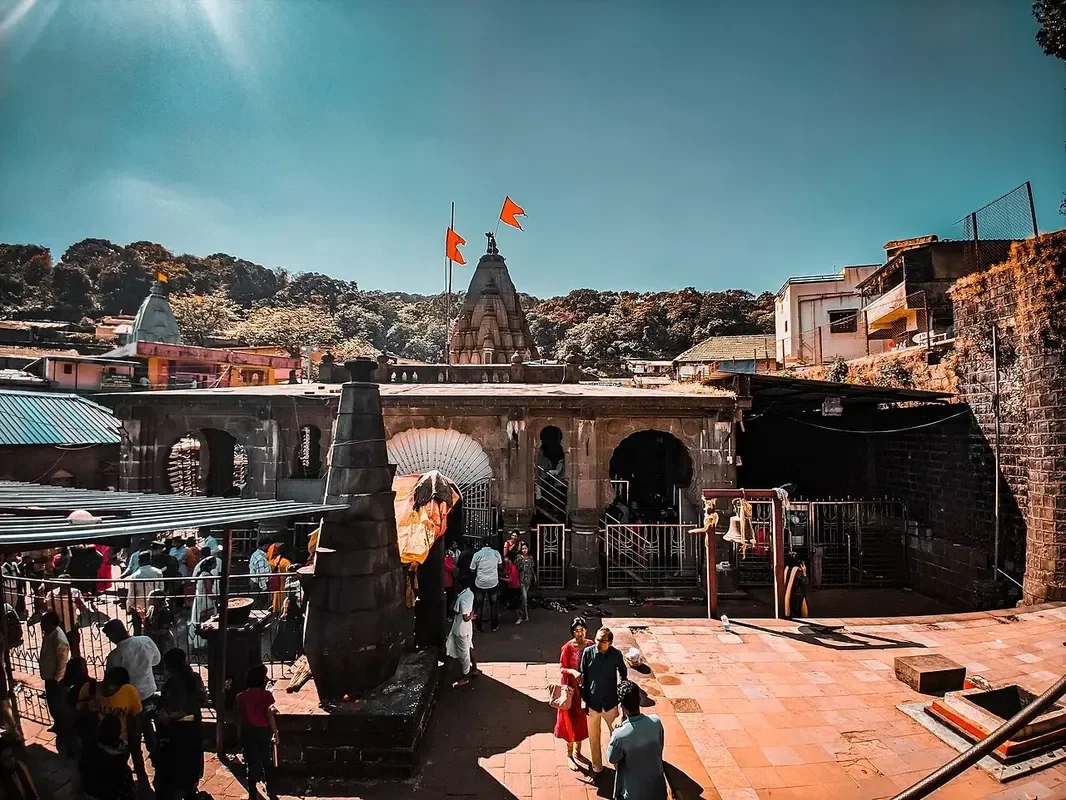
The temple follows the Nagara style common in north India, with features that recall the Hemadpanthi style of the Deccan. The sanctum and antarala are built of local stone, and the linga sits exactly at the centre of the garbhagriha. The old temple is held to stand on a Swayambhu (self-manifested) linga. Pillars and door frames carry detailed carvings of deities and human figures. In the 18th century Nana Phadnavis added the sabha mandap and designed the shikhara.
Daily seva timings
As published on the temple's official site
As published on the temple's official site
Offerings & festivals
The main Jyotirlinga festival, with a yatra, Maha Aarti and night palkhi.
Grand festival marking Shiva's victory over Tripurasura, with midnight Mahapuja and palkhi.
One of the major festival periods for worship of Shiva here.
The Lord's palkhi procession sets out in the afternoon.
How to reach
Pune Airport is the nearest. The temple is 110 km from Pune, about 3 hours by taxi via Manchar.
Pune Junction is the nearest major railway station.
Bhimashankar is 110 km from Pune by road through the hills, via Manchar.
-
Frequently asked questionsFAQs
Yes, general darshan is free. Puja and abhishek registration is available online through the temple's official website.
More temples in MaharashtraMore in Maharashtra
View all →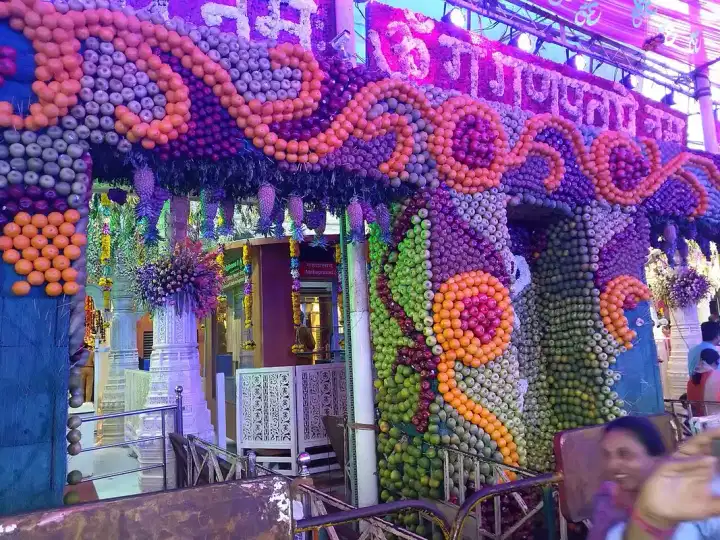
Shree Siddhivinayak Temple
Prabhadevi, MaharashtraPrabhadevi
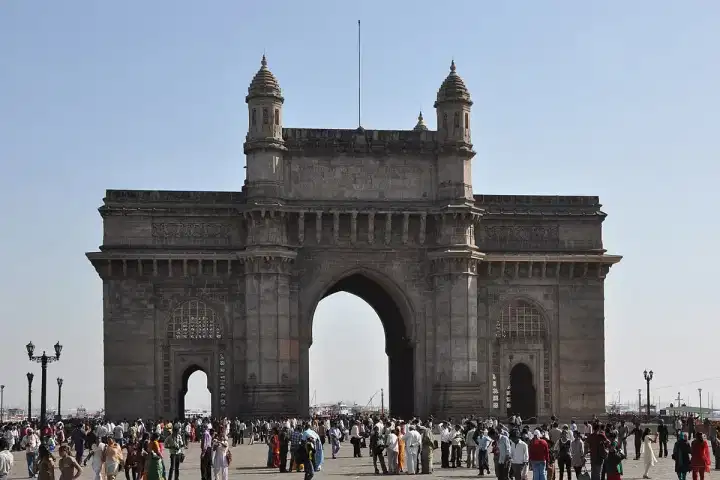
Mahalakshmi Temple, Mumbai
Mumbai, MaharashtraMumbai
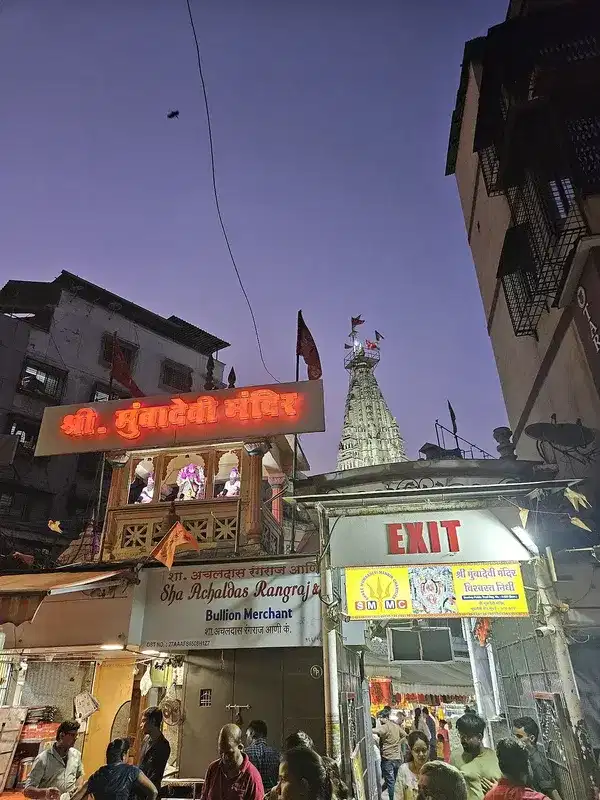
Mumba Devi Temple, Bhuleshwar
Bhuleshwar, Mumbai, MaharashtraBhuleshwar, Mumbai
Shri Saibaba Samadhi Mandir, Shirdi
Shirdi, MaharashtraShirdi
Recommended Pujas
View all pujas →View allThis information is for awareness only. This temple is not a Vedamandir partner temple.