


Hanuman Garhi Temple, Ayodhya
Bal Hanuman on Mother Anjani's lap, guarding Ayodhya near Ram Janmabhoomi. Climb 76 steps for darshan.
Ayodhya, Ayodhya, Uttar Pradesh

Open 4 AM – 10 PM · Aarti at 6 AM and 1:30 PM
- General darshan
- Free
- Dress code
- Wear traditional, modest clothes. Men can wear long pants with a shirt or kurta. Women can wear a saree or salwar kameez that covers the shoulders and knees. Shorts and similar Western wear are discouraged.
- Best season
- -
About the temple
Hanuman Garhi is a temple of Lord Hanuman in Ayodhya, Uttar Pradesh, close to the Ram Janmabhoomi site. It is one of the most important temples in the city, alongside the Ram Mandir and Nageshwar Nath, and one of its most visited. Bairagi Mahants of the Ramanandi Sampradaya and the Nirvani Akhara look after the temple. Devotees climb 76 steps to reach the main shrine. There, a small 6-inch image of Hanuman in his child (Bal) form sits on the lap of his mother Anjani. Many pilgrims make this temple their first stop in Ayodhya before going on to the Ram temple. Stalls at the foot of the steps sell besan laddoo and boondi as prasad. Sindoor is also a popular offering.
Significance
According to tradition, Lord Rama returned to Ayodhya and invited Hanuman to stay. Hanuman then made his home in a cave here to guard Ramkot, and devotees see Hanuman Garhi as the seat of Ayodhya's protector. Pilgrims customarily seek Hanuman's blessing here before going to the Ram temple. Many believe that wishes made at this shrine are fulfilled. Hanuman Jayanti is the temple's main festival, and the Tuesdays of Jyeshtha month are kept as Bada Mangal.
History
- 1Legend · Hanuman guards Ramkot
After Rama's return to Ayodhya, Hanuman lived in a cave here to protect Ramkot.
- 2Tradition · Built by King Vikramaditya
The Skanda Purana credits King Vikramaditya with building the temple as one of 360 shrines.
- 310th century · Temple established
The temple's founding is dated to the 10th century.
- 418th century · Rebuilt by the Bairagis
The Bairagis won the land after defeating Nawab Shuja-ud-Daula of Awadh and built a new temple for Hanuman.
- 51855 · Land revenue and dispute
The Nawab of Awadh granted land revenue for the temple. Historian Sarvepalli Gopal said the 1855 dispute centred on Hanuman Garhi.
Architecture
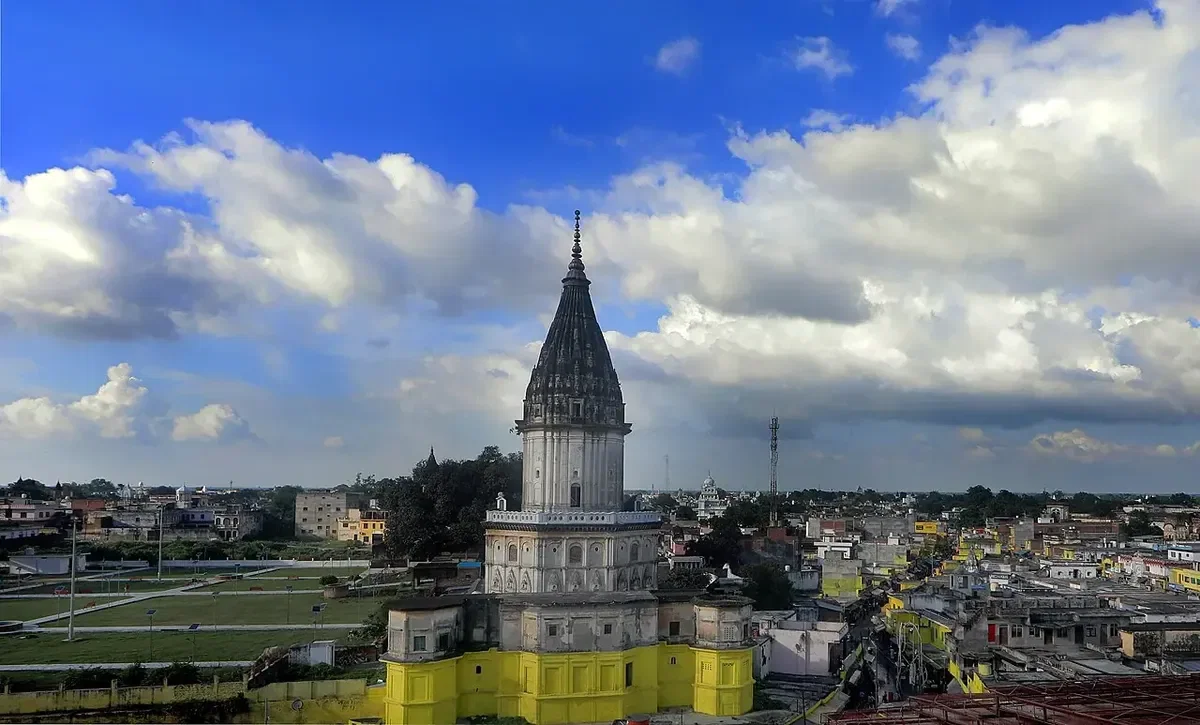
The temple is built like a four-sided fort, with a round rampart at each corner holding shrines to Hanuman. A climb of 76 steps leads to the main temple. Its sanctum is decorated with silver carvings and is reached through three finely worked doors. Inside, the 6-inch Bal Hanuman rests on Mother Anjani's lap and wears a silver tulsi garland engraved with Rama's name. Verses of the Hanuman Chalisa are carved on the walls, and the complex has a Vijay Stambh, or victory pillar.
Daily seva timings
Indicative — confirm on the temple's official site before visiting
Indicative — confirm on the temple's official site before visiting
Offerings & festivals
The temple's main festival, celebrating Lord Hanuman's birth
Observed on the Tuesdays of Jyeshtha month
Celebrated at the temple
Celebrated at the temple, along with Dussehra
How to reach
Lucknow's Chaudhary Charan Singh International Airport is the nearest, 151 km away.
Ayodhya Junction is the nearest railway station, 1.5 km from the temple.
Ayodhya is well connected by road and bus to cities across Uttar Pradesh. Take a cab or auto-rickshaw for local travel.
From the base, climb 76 steps to reach the main shrine.
Frequently asked questionsFAQs
Yes. General darshan is free, and there are no separate paid ticket categories.
More temples in Uttar PradeshMore in Uttar Pradesh
View all →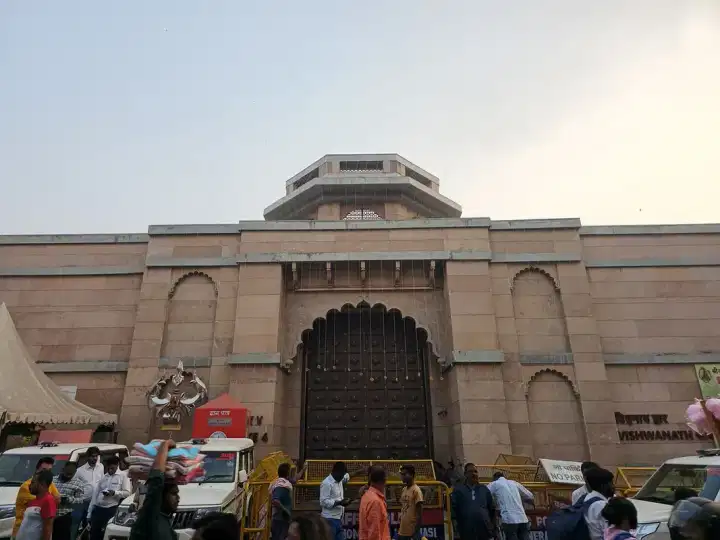
Shri Kashi Vishwanath Temple
Varanasi, Uttar PradeshVaranasi
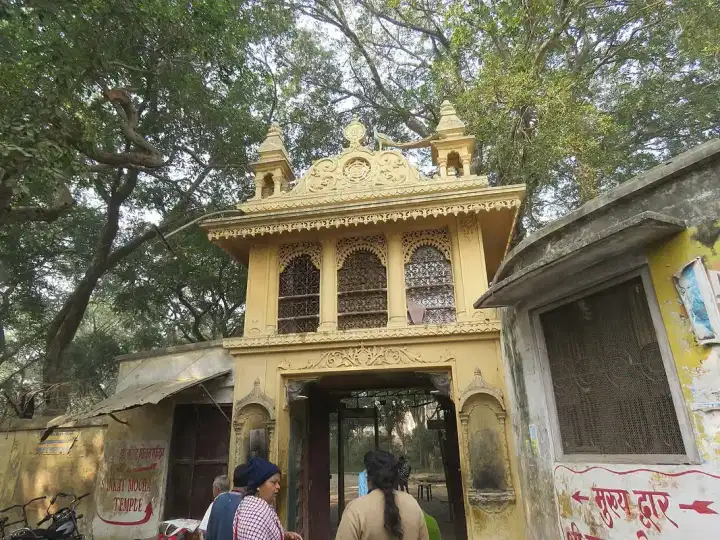
Sankat Mochan Hanuman Temple
Varanasi, Uttar PradeshVaranasi

Shri Ram Janmabhoomi Mandir, Ayodhya
Ayodhya, Uttar PradeshAyodhya

Shri Krishna Janmabhoomi Temple
Mathura, Uttar PradeshMathura
Recommended Pujas
View all pujas →View allThis information is for awareness only. This temple is not a Vedamandir partner temple.