


Kedarnath Temple
One of the twelve Jyotirlingas, beside the Mandakini River in the Garhwal Himalaya, open from Akshaya Tritiya to Bhai Dooj
Kedarnath, Rudraprayag, Uttarakhand

Morning abhishek 04:00–06:30 · Evening aarti at 18:00
- Darshan
- -
- Dress code
- There is no strict rule, but modest or traditional clothing is advised. Warm winter clothing is essential in the high-altitude cold. Remove footwear before entering the sanctum.
- Best season
- May–November; avoid the July–mid-September monsoon
About the temple
Kedarnath Temple stands at 3,583 m in the Garhwal Himalaya, beside the Mandakini River, a tributary of the Ganga, in Rudraprayag district of Uttarakhand. Here Lord Shiva is worshipped as Kedarnath, the 'lord of the field', in a self-manifested three-sided stone lingam. The temple is one of the twelve Jyotirlingas and a key stop on the Chota Char Dham and Panch Kedar pilgrimages. Because of the harsh mountain winter, its doors open on Akshaya Tritiya and close in the Bhai Dooj season after Diwali. In the cold months the deity is carried down to Omkareshwar Temple in Ukhimath and worshipped there. Road travel ends at Gaurikund, and pilgrims complete the journey with a 16 km uphill trek, or by pony, palki or helicopter. The shrine is managed by the Shri Badrinath Kedarnath Temple Committee.
Significance
The name Kedarnath joins the Sanskrit words kedara (field) and natha (lord), and the Kashi Kedara Mahatmya explains that the 'crop of liberation' grows here. In folk tradition, the Pandavas came seeking Shiva's forgiveness after the Kurukshetra War. Shiva hid as a bull and sank into the earth, and his hump rose at Kedarnath, making it the first of the Panch Kedar shrines. The temple is also linked with Adi Shankara, whose samadhi shrine stands just behind it. The stone temple came through the 2013 Uttarakhand floods largely intact, which devotees see as a miracle.
History
- 17th–8th century · Named in the Skanda Purana
The Purana names Kedara as the place where Shiva released the Ganga from his matted hair.
- 28th century · Revived by Adi Shankara
Tradition credits Adi Shankara with reviving the temple. His samadhi shrine lies behind it.
- 312th century · A major pilgrimage centre
Kedarnath appears in the Kritya-kalpataru, written by the Gahadavala minister Bhatta Lakshmidhara.
- 42013 · Uttarakhand flash floods
Kedarnath was the worst-hit area in the 2013 floods, yet the stone temple survived largely intact.
Architecture
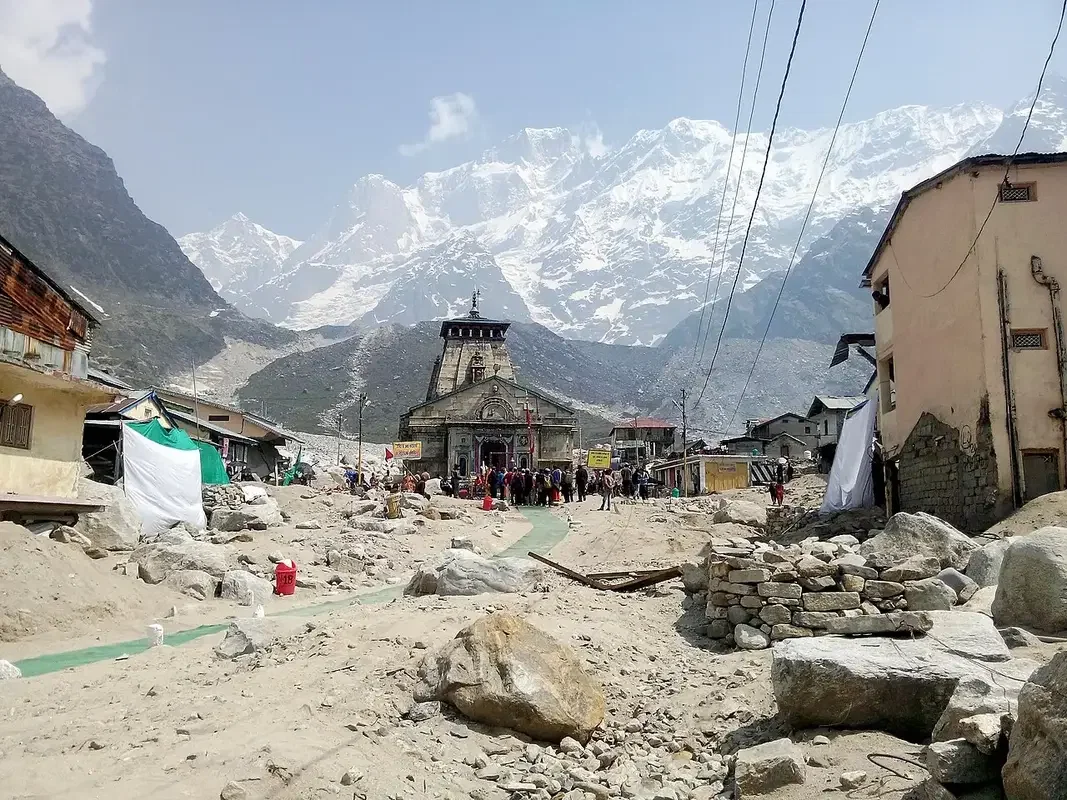
The temple is built of massive stone slabs set on a large rectangular platform. A small pillared hall in front holds images of Parvati and the five Pandava princes. Inside, the first hall has statues of the Pandava brothers, Krishna, Nandi and Virabhadra, and the main hall also has Draupadi and other deities. A rare feature is a man's head carved into the triangular stone lingam. The samadhi shrine of Adi Shankara stands behind the temple.
Daily seva timings
As published on the temple's official site
As published on the temple's official site
Offerings & festivals
The temple doors reopen for the season after the winter closure.
Diwali is celebrated at the shrine shortly before the season ends.
The doors close for winter and worship moves to Ukhimath.
Ganesha's festival is also observed at the temple.
How to reach
Jolly Grant Airport, Dehradun, is the nearest airport, about 235 km by road from Gaurikund.
Rishikesh railway station is the nearest railhead, about 243 km from Gaurikund.
A motorable road runs to Gaurikund via Rishikesh and Rudraprayag. Buses and taxis leave from Dehradun, Haridwar and Rishikesh.
From Gaurikund, a 16 km uphill trek leads to the temple. Ponies, palkis and helicopters are also available.
Frequently asked questionsFAQs
Yes, general darshan is free. Special puja darshan can be booked online, and helicopter darshan packages are also offered.
More temples in UttarakhandMore in Uttarakhand
View all →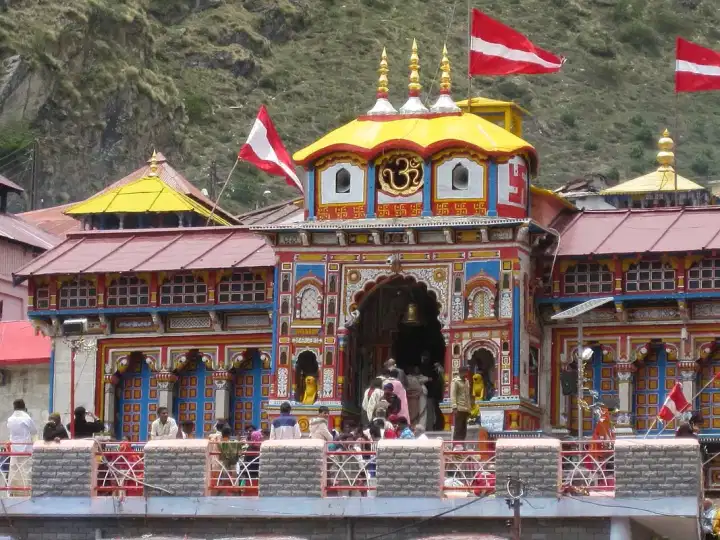
Shri Badrinath Temple
Badrinath, UttarakhandBadrinath
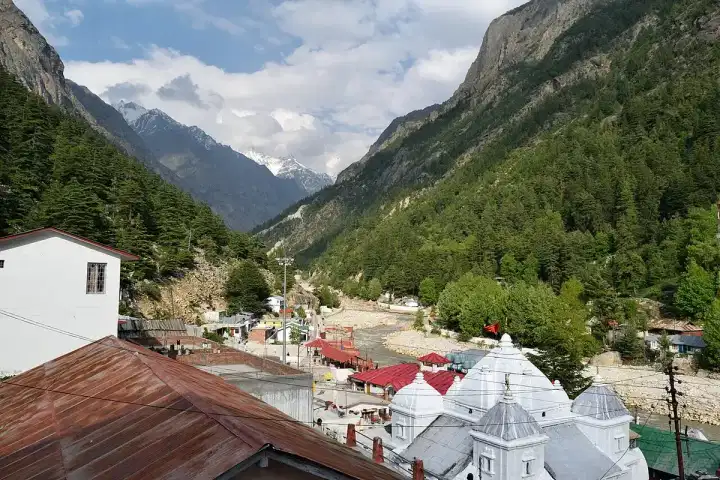
Gangotri Temple
Gangotri, UttarakhandGangotri
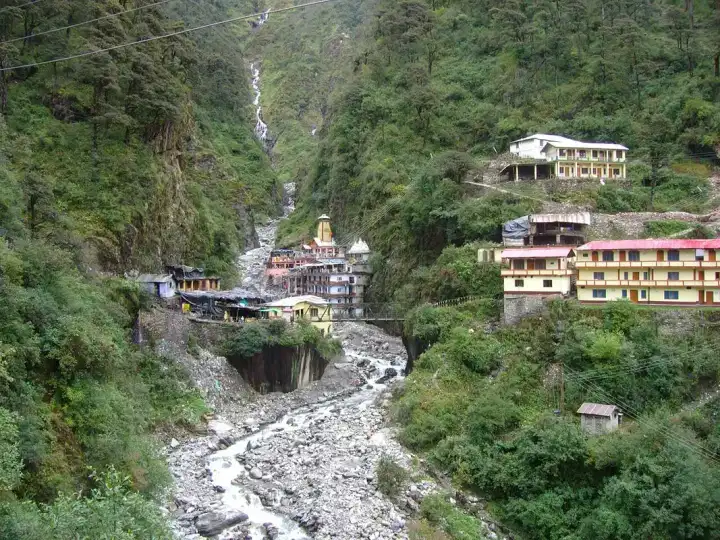
Yamunotri Temple
Yamunotri, UttarakhandYamunotri
Mansa Devi Temple, Haridwar
Haridwar, UttarakhandHaridwar
Recommended Pujas
View all pujas →View allThis information is for awareness only. This temple is not a Vedamandir partner temple.