


Shri Badrinath Temple
Himalayan abode of Badrinarayan at 3,133 m in Chamoli, open from Akshaya Tritiya until the winter closing in October–November.
Badrinath, Chamoli, Uttarakhand

Seasonal · Abhishek from 04:30 to Shayan Aarti at day's end
- Darshan
- -
- Dress code
- No strict dress code. Modest traditional clothing covering shoulders and knees is expected, and warm woollens are essential at this high altitude.
- Best season
- May to November; avoid July–mid-September landslides
About the temple
Shri Badrinath Temple, also called Badarinarayana Temple, stands in the town of Badrinath in Chamoli district, Uttarakhand. It sits on the bank of the Alaknanda River in the Garhwal Himalayas at 3,133 m, with Nar Parbat facing it. Here Lord Vishnu is worshipped as Badrinarayan, a black Shaligram image seated in meditation. The shrine is one of the four Char Dham sites and one of the 108 Divya Desams honoured by Vaishnavas. Because of harsh Himalayan winters, its doors open for six months each year, from Akshaya Tritiya in April–May until the closing day in October–November. It is among the busiest pilgrim centres in India, with 2.8 million visits recorded in just two months in 2022. The Shri Badarinath Kedarnath Temple Committee manages the temple.
Significance
For Vaishnavas, Badrinath is both a Char Dham and a Divya Desam, and the Skanda Purana praises it as the holiest shrine across earth, heaven and the netherworld. Many pilgrims bathe in the Tapt Kund hot springs before darshan and take a dip in the Alaknanda, believed to purify the soul. Families also come here to offer oblations to their ancestors with the help of the priests. Every daily ritual, from the morning abhishek to the evening Geet Govind and aarti, is performed in full view of devotees.
History
- 19th century · Adi Shankara revives the shrine
Adi Shankara established Badrinath as a pilgrimage site and recovered the deity from the Tapt Kund.
- 216th century · Deity moved to present temple
The King of Garhwal moved the murti to the temple that stands today.
- 317th century · Temple expanded
The Kings of Garhwal enlarged the temple.
- 41803 · Earthquake and rebuilding
The great Garhwal earthquake badly damaged the temple, and the King of Jaipur largely rebuilt it.
- 51828 · Described in a gazetteer
Walter Hamilton's East-India Gazetteer recorded a copper-roofed shrine propped up after the recent earthquake.
- 61939 / 1948 · Temple Act passed
The Shri Badarinath and Shri Kedarnath Mandir Act placed both temples under one committee.
Architecture
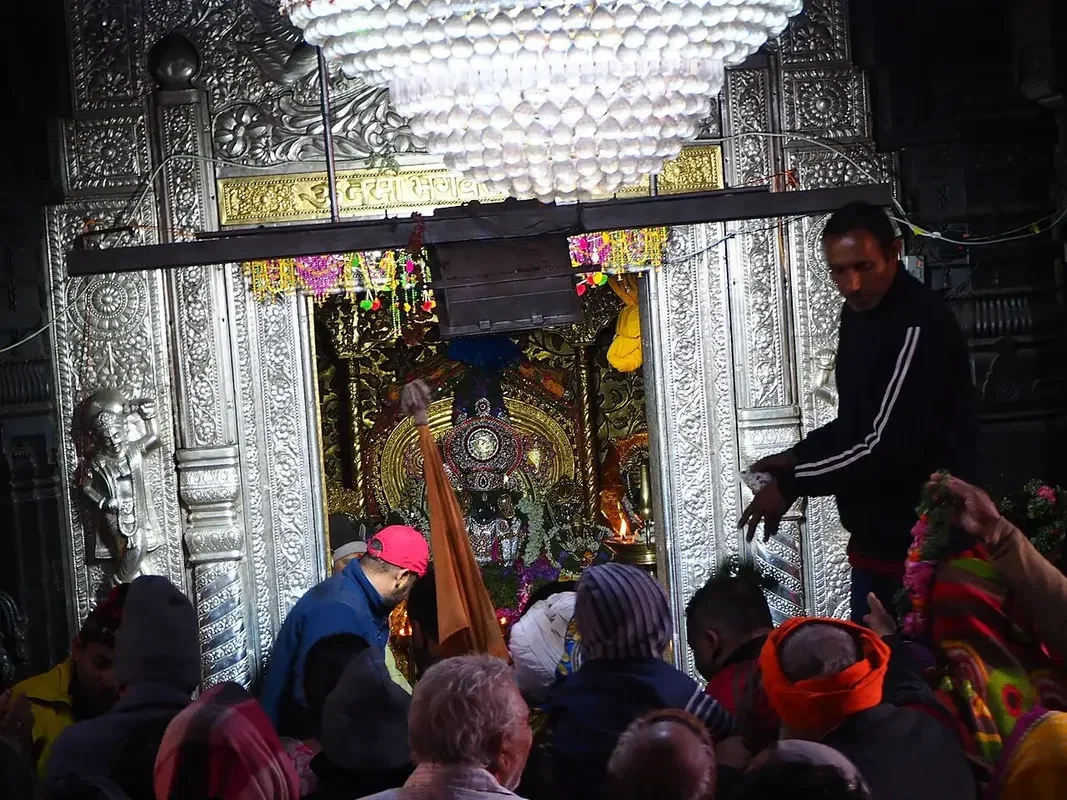
The temple has three parts: the garbhagriha (sanctum), the Darshan Mandapa for worship and the Sabha Mandapa for gatherings. A stairway climbs the stone façade, with its arched windows, to an arched main gateway. Inside, a pillared hall with finely carved walls opens to the sanctum. There the 1 ft Shaligram Badrinarayan sits under a gold canopy beneath a Badri tree, holding conch and discus. Below the temple lie the Tapt Kund hot springs, which stay at 55 °C all year.
Daily seva timings
As published on the temple's official site
As published on the temple's official site
Offerings & festivals
Honours the descent of the Ganga to earth; Mata Murti Utsava falls on Vaman Dwadashi.
Eight-day festival at Badrinath and Kedarnath with artists from across India.
Pilgrims gather to see the Akhanda Jyoti still burning from the closing day.
A ghee lamp is lit to last six months; the deity moves to Narasimha temple, Jyotirmath.
How to reach
Jolly Grant Airport, Dehradun, is the nearest airport, 314 km away.
Rishikesh railway station is the nearest, 295 km away.
Drive from Rishikesh via Rudraprayag and Joshimath; Rishikesh to Badrinath is 298 km by road.
-
Frequently asked questionsFAQs
Yes, general darshan is free. Advance booking through the Badrinath-Kedarnath Temple Committee (BKTC) portal is strongly advised, and special darshan is also available.
More temples in UttarakhandMore in Uttarakhand
View all →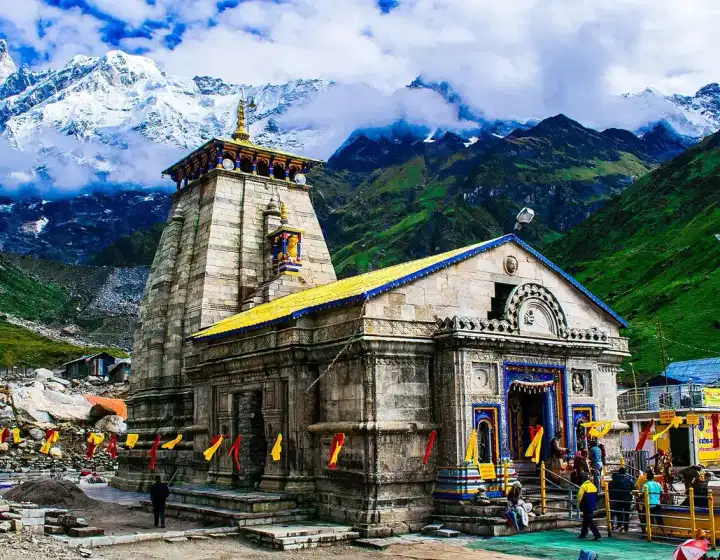
Kedarnath Temple
Kedarnath, UttarakhandKedarnath
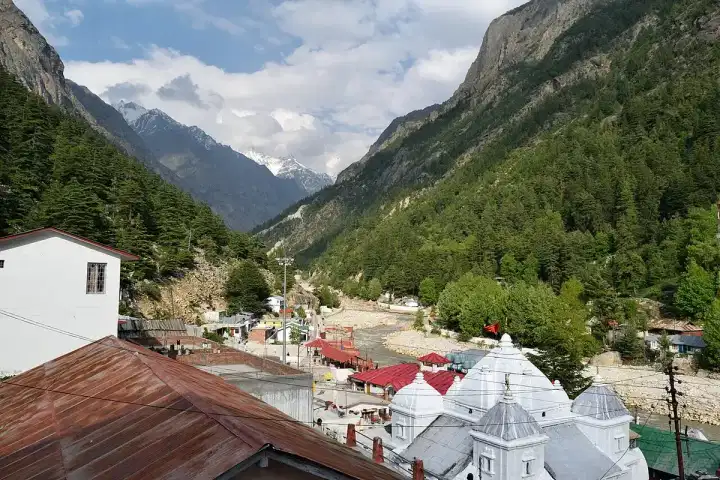
Gangotri Temple
Gangotri, UttarakhandGangotri
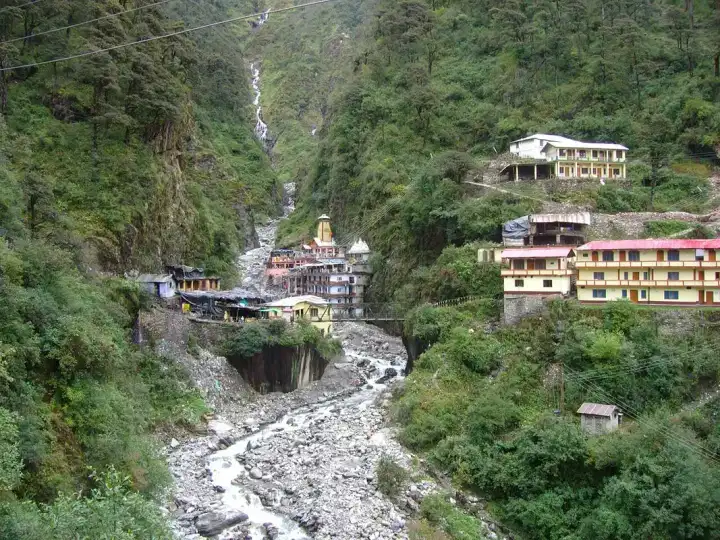
Yamunotri Temple
Yamunotri, UttarakhandYamunotri
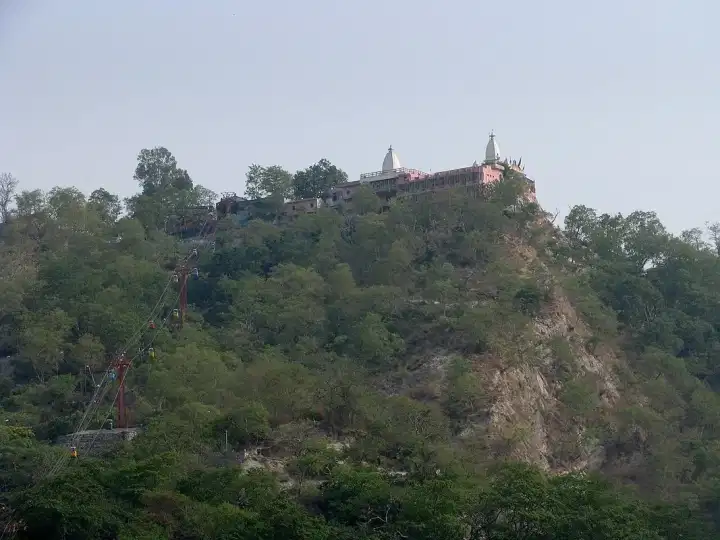
Mansa Devi Temple, Haridwar
Haridwar, UttarakhandHaridwar
Recommended Pujas
View all pujas →View allThis information is for awareness only. This temple is not a Vedamandir partner temple.