


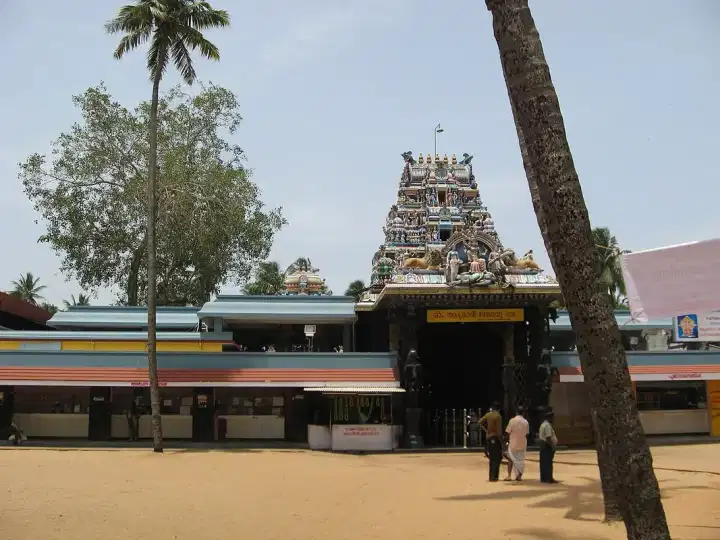
Kodungallur Sree Kurumba Bhagavathy Temple
Ancient seat of Sree Kurumba Bhagavathy, beloved as Kodungallur Amma, in Thrissur district, Kerala.
Kodungallur, Thrissur, Kerala

4 AM–noon (12:30 Sun/Tue/Fri) & 4–8 PM · Guruthy Pooja 8:30 PM
- Darshan
- -
- Dress code
- Wear traditional dress. Men usually wear a mundu or veshti, often without a shirt. Women can wear a saree, skirt or salwar kameez. Shorts and T-shirts are discouraged.
- Best season
- -
About the temple
Sree Kurumba Bhagavathy Temple in Kodungallur, Thrissur district, is one of Kerala's foremost shrines of Bhadrakali, a form of Mahakali deeply revered across the state. Devotees call the goddess Sree Kurumba or simply Kodungallur Amma. The temple heads the 64 Bhadrakali kavus of Malabar and is one of the oldest functioning temples in India. Its exact founding date is not known, but it goes back to before the Common Era. The idol shows the goddess in her fierce (ugra) form with eight hands. One hand holds the head of the demon king Daruka, and others hold a curved sword, an anklet and a bell. Today the temple is managed by the Cochin Devaswom Board, and its daily worship runs from the early morning opening to the Guruthy Pooja at night.
Significance
For Bhadrakali devotees in Kerala, Kodungallur is a central place of worship. Temple tradition holds that the site was first a Shiva shrine where Parasurama later installed the goddess. The place is also linked to Kannaki, the heroine of the Silappathikaram, who devotees believe found salvation here in union with Bhadrakali. The temple is best known for its Bharani festival. During this festival, oracles and devotees ritually shout abuse at the goddess as an act of devotion, and a purification ceremony follows the next day.
History
- 1Legend · Parasurama installs the goddess
Tradition holds that Parasurama built the temple on Lord Shiva's instruction and installed the goddess after the demon Darikan tormented him.
- 2Sangam period · Shrine linked to Kannaki
Chera king Senguttuvan, who ruled from Kodungallur, built a shrine for Kannaki. Sangam games at Thalappoli recall this era.
- 3Kulasekhara era · Royal capital
Kodungallur served as a capital of the Kulasekhara (Chera) rulers and was part of Thiruvanchikulam.
- 41950 · Cochin Devaswom Board takes over
Administration of the temple passed from Kodungallur Kovilakam to the Cochin Devaswom Board.
- 51978 · Sacrifice banned
Chicken sacrifice at the temple ended under the Kerala Animals and Bird Sacrifices Prohibition Act.
Architecture
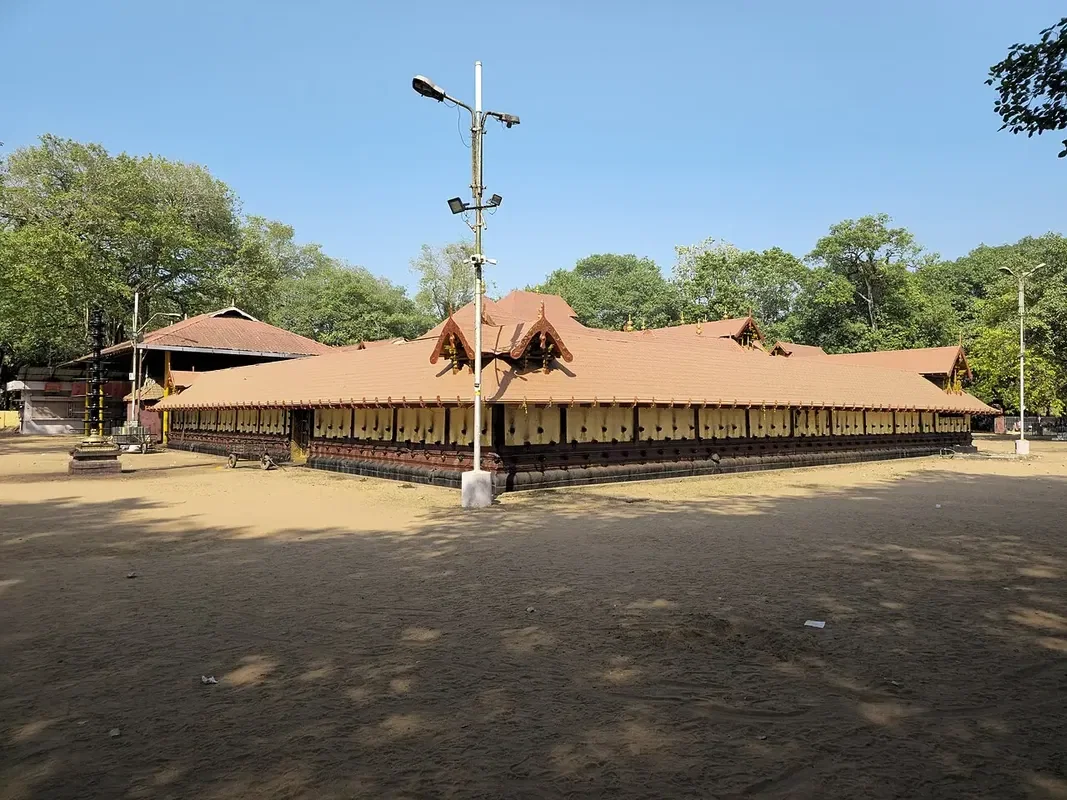
The temple follows the traditional architecture of Kerala. Inside the sanctum, the goddess appears in her fierce form with eight hands. One hand holds the head of the demon king Daruka, and the others hold attributes such as a sickle-shaped sword, an anklet and a bell. Lord Shiva is also enshrined at the temple. Tradition holds that Adi Sankaracharya consecrated five chakras that hold the power of the shrine.
Daily seva timings
As published on the temple's official site
As published on the temple's official site
Offerings & festivals
From Bharani in Kumbham to seven days after Bharani in Meenam; Kavu Theendal is the highlight.
Four days from Makara Sankranthi evening, with an elephant procession and community pujas.
How to reach
Cochin International Airport is the nearest airport, 30 km from the temple.
Irinjalakuda railway station is 14 km away, and Thrissur railway station is 36 km away.
Kodungallur bus stand is 1.5 km from the temple. Auto-rickshaws and taxis are available.
-
Frequently asked questionsFAQs
The temple opens at 4 AM and closes at 12 PM (12:30 PM on Sunday, Tuesday and Friday). It reopens at 4 PM and closes at 8 PM. Deeparadhana is at 6:15 PM and Guruthy Pooja is at 8:30 PM.
More temples in KeralaMore in Kerala
View all →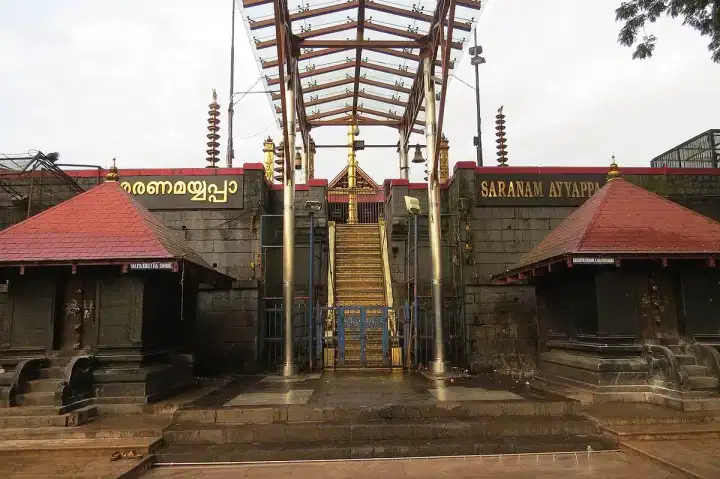
Sabarimala Sree Dharma Sastha Temple
Sabarimala, KeralaSabarimala
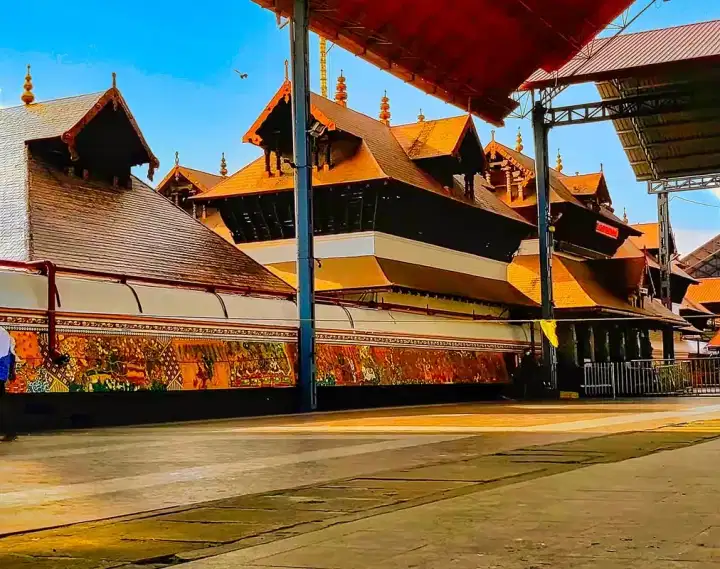
Guruvayur Sri Krishna Temple
Guruvayur, KeralaGuruvayur
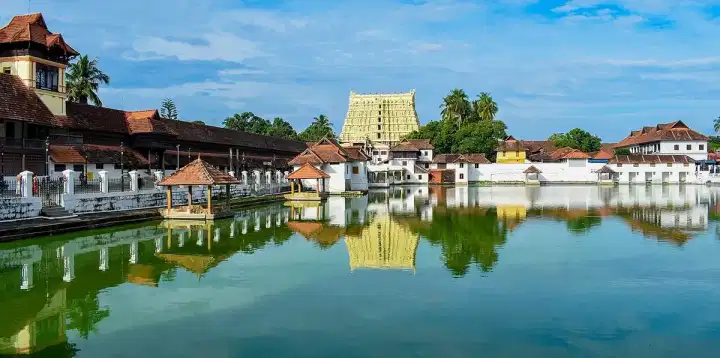
Sree Padmanabhaswamy Temple
Thiruvananthapuram, KeralaThiruvananthapuram
Attukal Bhagavathy Temple
Attukal, KeralaAttukal
Recommended Pujas
View all pujas →View allThis information is for awareness only. This temple is not a Vedamandir partner temple.