


Lingaraj Temple
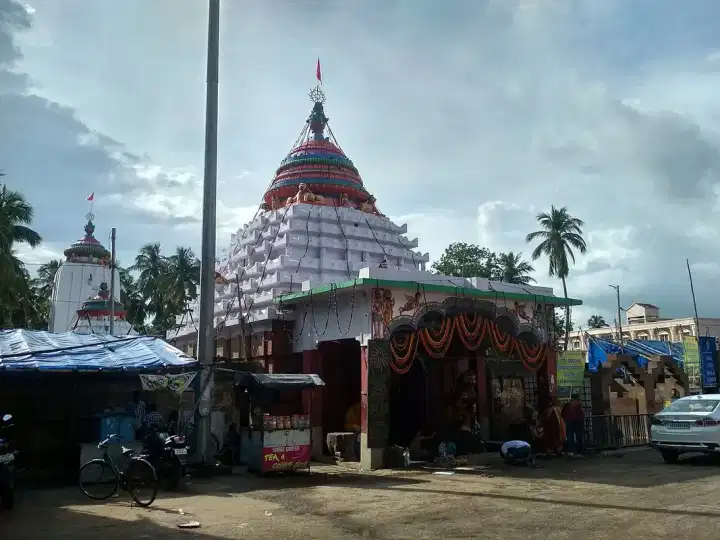
Bhubaneswar's grandest temple, where Lord Lingaraja is worshipped as Harihara, the united form of Shiva and Vishnu
Bhubaneswar, Khordha, Odisha

Open 06:00–21:00 · Darshan break 12:30–15:30
- Darshan
- -
- Dress code
- Only Hindus may enter the temple. Non-Hindus can view it from a platform outside the compound wall.
- Best season
- -
About the temple
Lingaraj Temple is the largest temple in Bhubaneswar, the capital of Odisha. It is one of the city's oldest temples and its best-known landmark. The city was once called Ekamra Kshetra. The presiding deity, Lingaraja, is a self-manifested lingam worshipped as Harihara, a joined form of Shiva and Vishnu. His consort Parvati is honoured here as Annapurna or Girija. Many ancient shrines in Bhubaneswar no longer hold regular worship, but this temple is still a living place of prayer. Its daily rituals run from Mangala arti in the morning to the night-time Pahuda. A Temple Trust Board set up by Odisha's Commissioner of Endowments runs the daily worship. The Archaeological Survey of India looks after the monument itself.
Significance
For devotees, Lingaraja is closely tied to the identity of Bhubaneswar itself. Every meal offered to the Lord is then offered to Parvati, just as in a family home. The kitchen fire ritual is carried out under her guidance, so she is honoured as Annapurneswari. Devotees believe the nearby Bindusagar tank is fed by an underground stream from the temple. Pilgrims bathe there on festival days, hoping for healing of body and spirit. Shivaratri, with its night-long vigil, is the biggest occasion of the year.
History
- 16th century CE · Early beginnings
Some 7th-century Sanskrit texts record that part of the temple was built in the 6th century.
- 2Late 11th century · Present temple takes shape
The sanctum, tower and assembly hall were built in their present form in the last decade of the 11th century.
- 31099–1104 CE · Festival hall added
The natamandira was built by the wife of Salini.
- 412th century · Hall of offerings built
The bhoga-mandapa, where food offerings are made, was added.
- 51172 CE · Royal gifts of gold
An inscription records gifts of gold coins to the temple by Rajaraja II.
Architecture
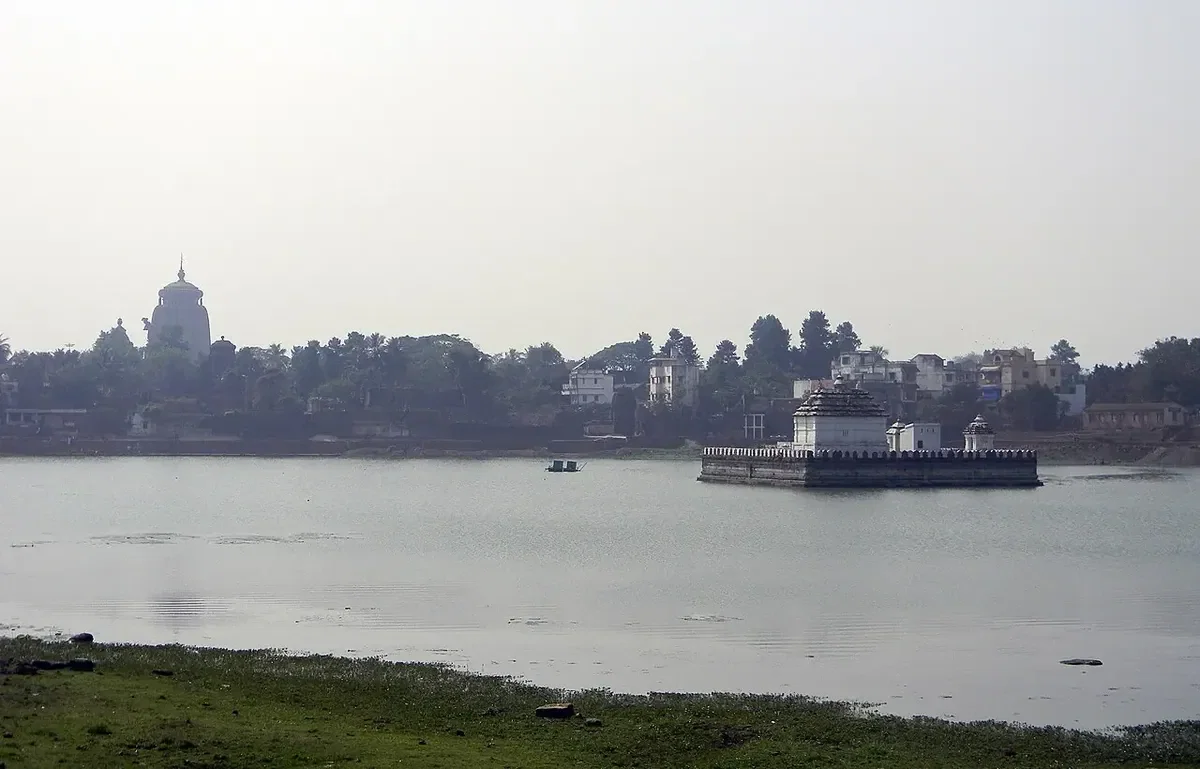
The temple faces east and is built of khondalite and laterite. It follows the Kalinga Deula plan, with four parts set in one line: the vimana over the sanctum, the jagamohana (assembly hall), the natamandira (festival hall) and the bhoga-mandapa (hall of offerings). Each part rises higher towards the sanctum. The rekha deula tower is carved over its entire surface. A thick laterite wall encloses a vast courtyard with 150 smaller shrines. The door of the entrance porch is made of sandalwood.
Daily seva timings
Indicative — confirm on the temple's official site before visiting
Indicative — confirm on the temple's official site before visiting
Offerings & festivals
A day of fasting and an all-night vigil with bel leaf offerings, ending when the Mahadipa is lit
A 22-day sandalwood festival with boat rides on Bindusagar tank
On Ashokashtami, Lingaraja rides in a chariot to Rameshwar Deula
Pilgrims walk to the temple carrying water from the Mahanadi
How to reach
The nearest airport is Biju Patnaik International Airport in Bhubaneswar.
The nearest railway station is Bhubaneswar Railway Station.
Auto-rickshaws and taxis run to the temple from both the airport and the railway station.
-
Frequently asked questionsFAQs
Morning darshan runs from 06:00 to 12:30. Evening darshan runs from 15:30 to 21:00, every day.
More temples in OdishaMore in Odisha
View all →
Recommended Pujas
View all pujas →View allThis information is for awareness only. This temple is not a Vedamandir partner temple.