


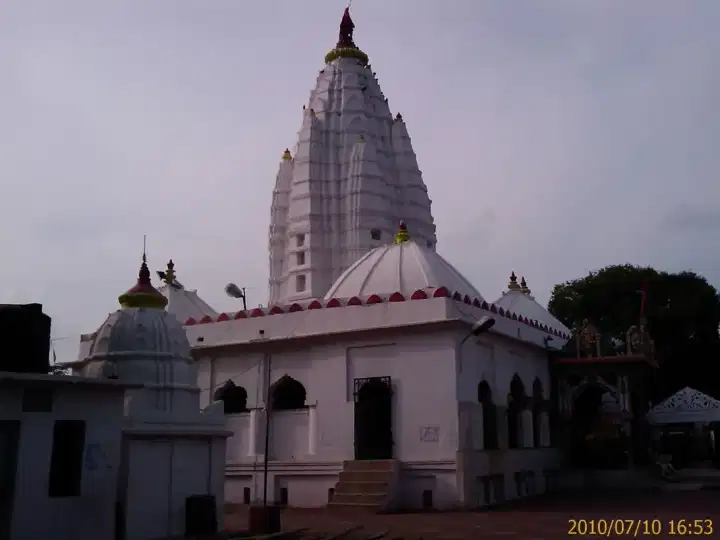
Maa Biraja Temple
Shakti Peetha of Goddess Biraja in Jajpur, Odisha, and a sacred centre for pinda-dana ancestral rites
Jajpur, Jajpur, Odisha

Daily 05:30–13:30 and 15:00–21:00 · Afternoon break
- Darshan
- -
- Dress code
- There is no official dress code. Please wear decent, modest clothing.
- Best season
- -
About the temple
Maa Biraja Temple, also called Biraja Kshetra or Biraja Mandira, is a historic Hindu temple in Jajpur, Odisha. The presiding goddess is Durga, worshipped here as Viraja or Biraja. The temple is so central to the town that Jajpur is known as Biraja Kshetra and Biraja Peetha. The idol has two arms. With one hand the Goddess spears the chest of Mahishasura, shown as a water buffalo, and with the other she pulls his tail. One foot rests on a lion and the other on the demon's chest. Her crown carries Ganesha, a crescent moon and a lingam. The temple grounds are large and hold several shrines to Shiva and other deities. Jajpur is believed to hold about one crore Shiva lingams.
Significance
Maa Biraja Temple is one of the major Shakti Peethas of Odisha, and some sources describe it as the oldest Tantric Peetha in the region. The Skanda Purana calls this land the Viraja Kshetra and describes it as a place that cleanses pilgrims. Jajpur is also an important centre for pinda-dana, the rites offered for ancestors, much like Gaya. For this reason it is called Nabhi Gaya. The Goddess is worshipped every day as Mahishasuramardini by the Brahmins of Jajpur, following Tantra and Agama traditions.
History
- 1Treta Yuga (tradition) · Legendary origins
Temple tradition links the shrine to the Treta Yuga and to sage Parashurama.
- 24th–15th century CE · Centuries of sculpture
Sculptural fragments on the walls come from many periods, which shows repeated rebuilding and renovation.
- 311th century CE · Present temple built
The present structure is attributed to the Kesari dynasty, with King Jajati Keshari credited as its builder.
Architecture
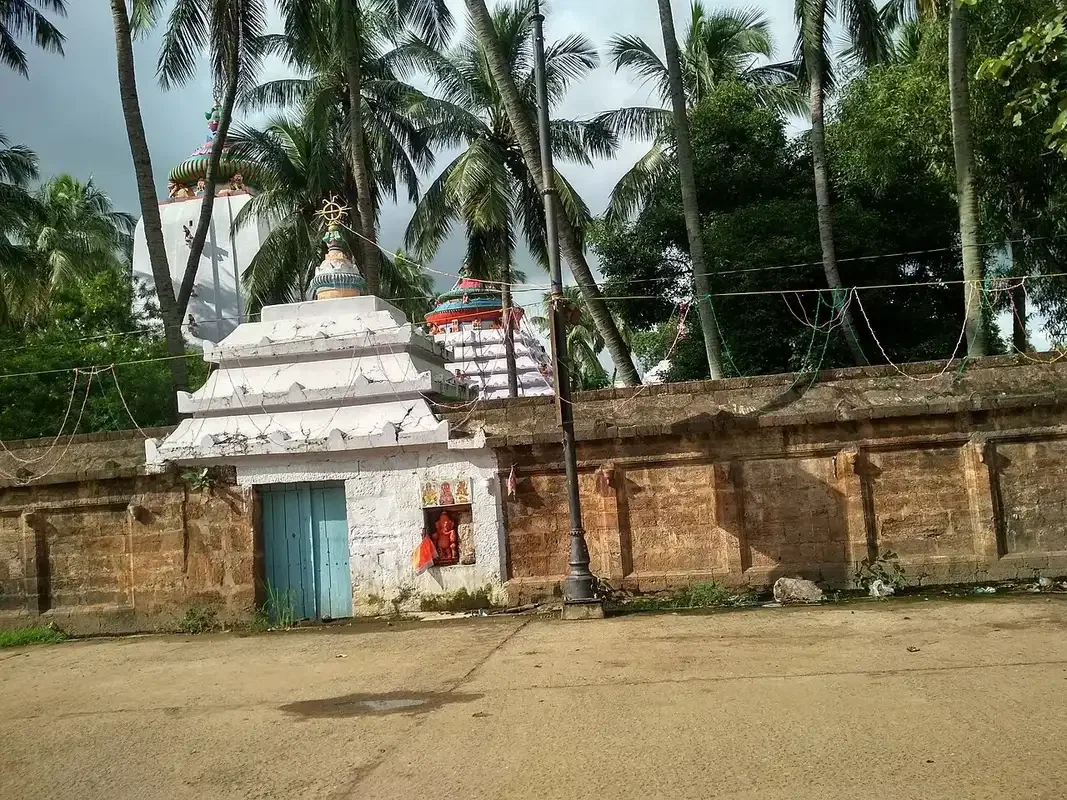
The temple is built in the Kalinga style of Odisha. It has a tall shikhara (spire) and detailed stone carvings. The complex covers a wide area and holds several smaller shrines to Shiva and other deities. Sculptural fragments on the walls come from different centuries, a sign of how often the temple was rebuilt and renovated. Inside, the two-armed Goddess stands over Mahishasura, with a lion beneath one foot.
Daily seva timings
Indicative — confirm on the temple's official site before visiting
Indicative — confirm on the temple's official site before visiting
Offerings & festivals
16-day worship that begins before Mahalaya and ends on Ashwin Shukla Navami
The Goddess's chariot festival, with a flag that bears a lion
The temple's name for its Navratri celebration
Also celebrated with Shravana, Prathamastami and Navanna
How to reach
Bhubaneswar has the nearest airport. Jajpur is about 125 km north of Bhubaneswar by road.
The nearest station is Jajpur-Keonjhar Road, over an hour away by road. Cuttack station is another option.
Jajpur is about 125 km north of Bhubaneswar. Buses from Cuttack take 2–2.5 hours. Jajpur Bus Stand is about 2 km from the temple.
-
Frequently asked questionsFAQs
The temple is open every day. Morning darshan runs from 05:30 to 13:30 and evening darshan from 15:00 to 21:00.
More temples in OdishaMore in Odisha
View all →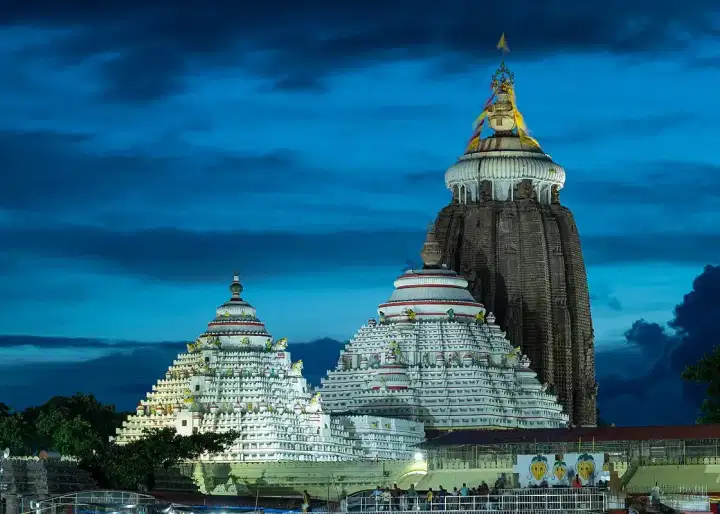
Shree Jagannath Temple, Puri
Puri, OdishaPuri
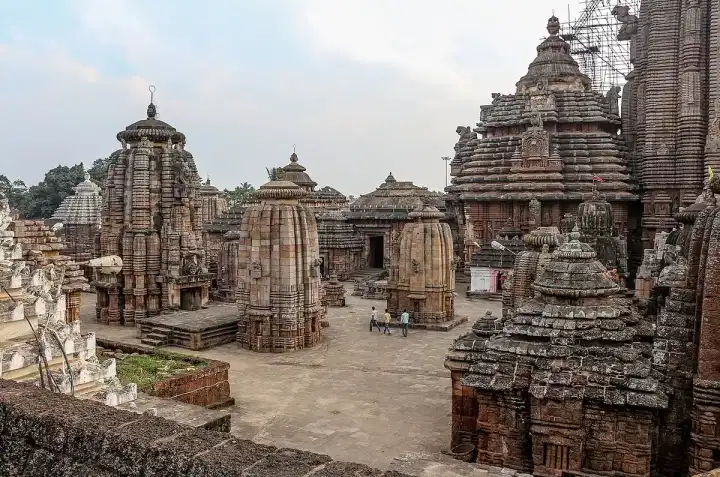
Lingaraj Temple
Bhubaneswar, OdishaBhubaneswar
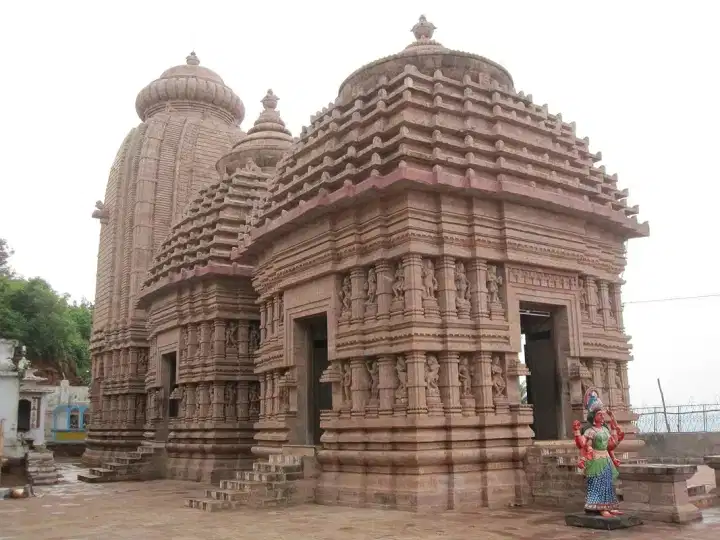
Maa Tara Tarini Temple
Purushottampur, OdishaPurushottampur
Maa Samaleswari Temple
Sambalpur, OdishaSambalpur
Recommended Pujas
View all pujas →View allThis information is for awareness only. This temple is not a Vedamandir partner temple.