


Shri Khandoba Temple, Jejuri
Hilltop home of Lord Khandoba and Mhalsa at Jejuri, 50 km from Pune, known as Jejuri Gad for its fort-like walls.
Jejuri, Pune, Maharashtra

Open daily · 05:00 to 21:00
- Darshan
- -
- Dress code
- -
- Best season
- -
About the temple
The Shri Khandoba Temple sits on a hill at Jejuri, about 50 km from Pune, at a height of 718 metres. Lord Khandoba, also called Martand Bhairav and Malhari, is worshipped here with his first wife Mhalsa. With its strong walls, the shrine looks like a hill fort, so locals call it Jejuri Gad. Devotees reach it by climbing nearly 200 steps lined with arches, lamp pillars and small shrines. Along the way they toss bhandara (turmeric) into the air as an offering, so the steps and courtyard glow yellow. The temple is protected by the Maharashtra state government. Worship of Khandoba at Jejuri goes back to the 12th–13th century.
Significance
Khandoba is a form of Lord Shiva. In the temple's legend, two demon brothers, Mani and Malla, won great power through a boon from Brahma and began troubling people on earth. Shiva came down as Khandoba and fought them. He killed one brother and spared the other after he promised to serve ordinary people. Devotees honour Khandoba with turmeric, bel leaves, flowers and a naivedya made with onions and other vegetables. Throwing turmeric into the air is the best-known act of devotion at Jejuri.
History
- 112th–13th century · Khandoba worship begins
Worship of Khandoba at Jejuri dates back to this period.
- 21737–1739 · Bells from Vasai
After the Battle of Vasai, Chimaji Appa, brother of Peshwa Baji Rao I, gifted Portuguese church bells to the temple.
- 3Peshwa era · Temple rebuilt
The temple was rebuilt under the Peshwas, inside an eight-sided fort wall.
Architecture
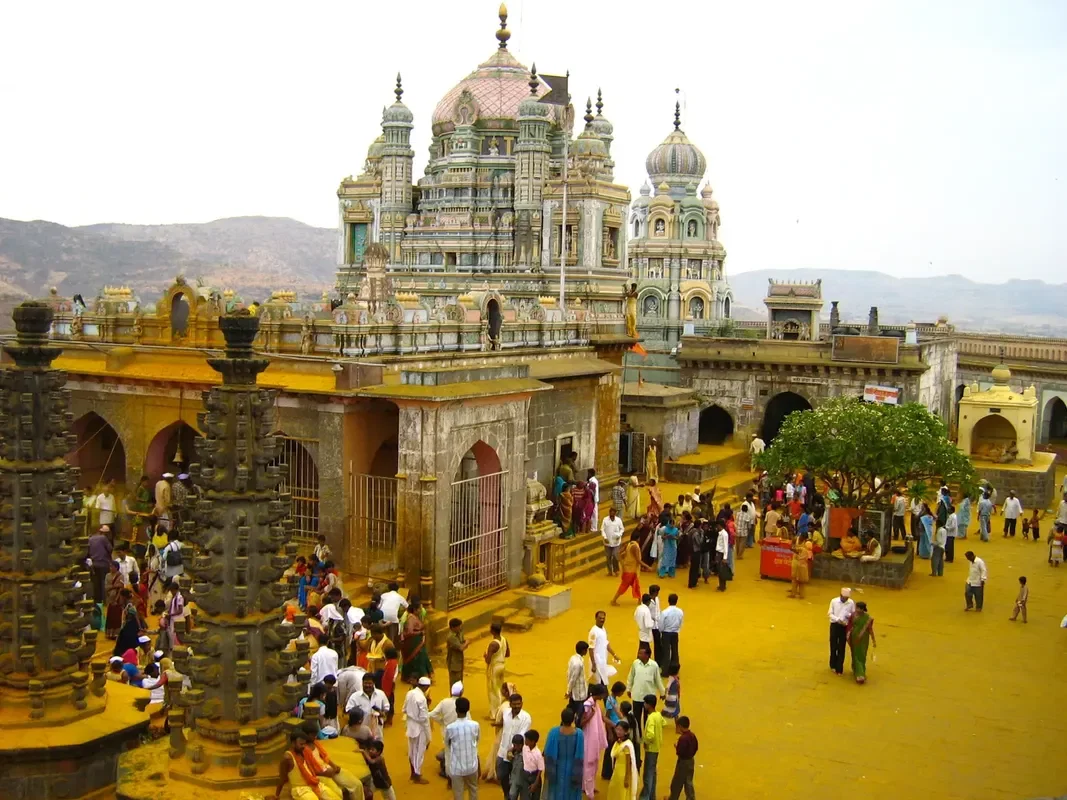
The temple is built in the Hemadpanthi style, with an outer square hall and an inner sanctum. The sanctum holds a Shiva linga and three pairs of images of Khandoba with Mhalsa. There is also a murti of Khandoba on horseback in warrior form. An eight-sided wall, 320 metres long, surrounds a cloistered courtyard with the shrine at its centre. The courtyard has a brass-coated tortoise 6 metres across. Three flights of steps climb the hill from the east, west and north.
Daily seva timings
Indicative — confirm on the temple's official site before visiting
Indicative — confirm on the temple's official site before visiting
Offerings & festivals
-
How to reach
Pune airport is the nearest, about 55 km from the temple.
Jejuri railway station is the nearest, about 4 km from the temple.
Jejuri is about 50 km from Pune. Buses and cabs run from Pune.
Three flights of steps (east, west, north) lead up the hill. The northern steps reach the main entrance after nearly 200 steps.
Frequently asked questionsFAQs
The temple is open every day from 05:00 to 21:00.
More temples in MaharashtraMore in Maharashtra
View all →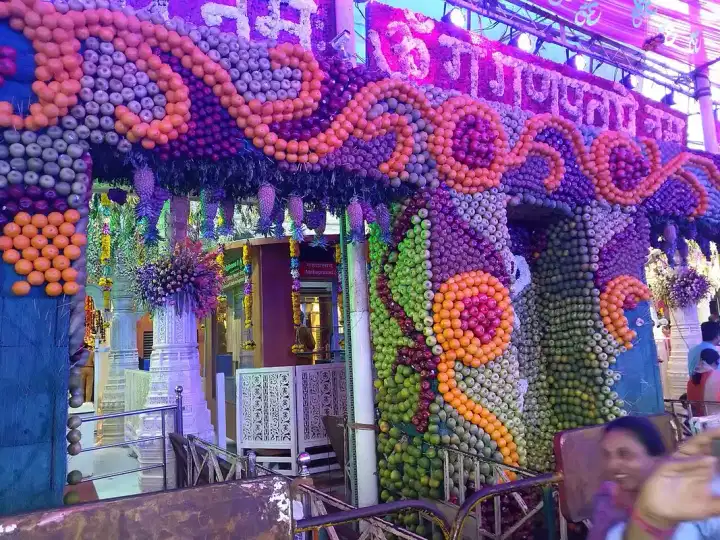
Shree Siddhivinayak Temple
Prabhadevi, MaharashtraPrabhadevi
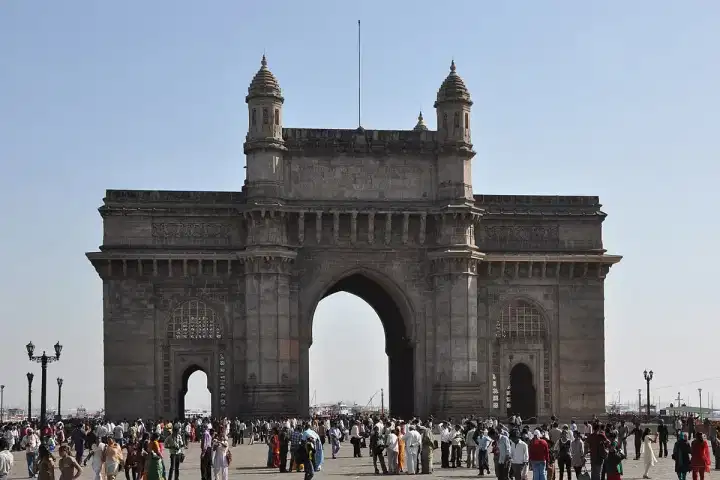
Mahalakshmi Temple, Mumbai
Mumbai, MaharashtraMumbai
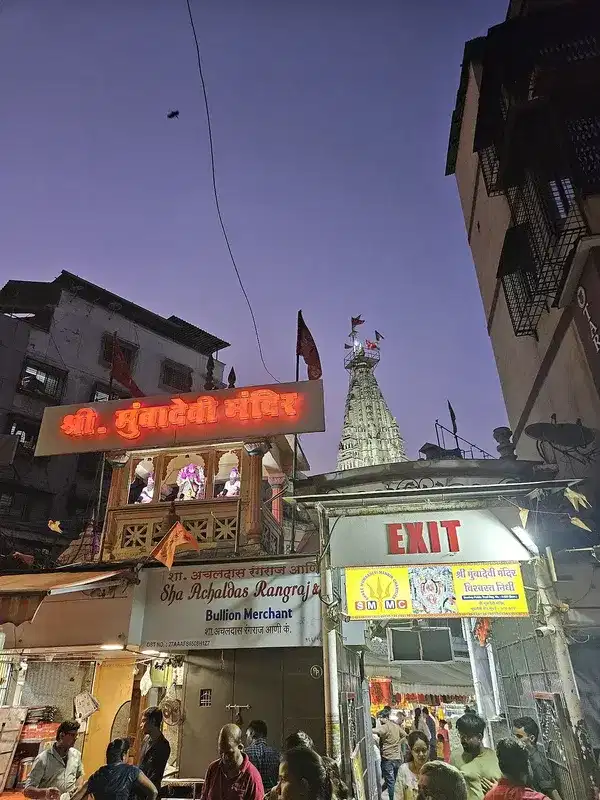
Mumba Devi Temple, Bhuleshwar
Bhuleshwar, Mumbai, MaharashtraBhuleshwar, Mumbai
Shri Saibaba Samadhi Mandir, Shirdi
Shirdi, MaharashtraShirdi
Recommended Pujas
View all pujas →View allThis information is for awareness only. This temple is not a Vedamandir partner temple.