


Srirangam Sri Ranganathaswamy Temple
The world's largest functioning Hindu temple, with seven enclosures and 21 gopurams on an island in Tiruchirappalli.
Srirangam, Tiruchirappalli, Tamil Nadu

Open daily 06:00 – 21:00
- General (free) darshan
- Free
- Perumal Sannathi Special Entrance
- ₹100
- Dress code
- -
- Best season
- -
About the temple
Sri Ranganathaswamy Temple, also known as Arulmigu Ranganathar Thirukovil, stands on Srirangam, an island in Tiruchirappalli between the Kaveri and Kollidam rivers. It is dedicated to Lord Ranganatha, a form of Vishnu resting on the serpent Adishesha, and to his consort Goddess Ranganayaki. It is the first of the 108 Divya Desams and the only one praised by all the Alvar saints in the Naalayira Divya Prabandham. The complex is the largest functioning Hindu temple in the world. It grew over many centuries under the Cholas, Pandyas, Hoysalas and the Vijayanagara rulers. Worship follows the Thenkalai tradition of Sri Vaishnavism and the Pancharatra Agama. The Tamil Nadu HR&CE Department manages the temple. In 2017 it received the UNESCO Asia-Pacific Award of Merit for heritage conservation.
Significance
Devotees call Srirangam Bhooloka Vaikuntam, Vishnu's heaven on earth. According to the Sriranga Mahatmyam, the sanctum's vimanam came from Brahma's austerities and passed to King Ikshvaku and then to Lord Rama. It came to rest here when Vibhishana was carrying it to Lanka. This is why the reclining Lord faces south. The biggest event of the year is the 20-day Margazhi festival. On Vaikunta Ekadashi the processional deity passes through the Paramapada Vasal, and lakhs of pilgrims follow, believing this gate leads to Vaikuntham.
History
- 1c. 300 BCE–300 CE · Praised in Sangam literature
The reclining Lord on the Kaveri islet is described in the Silapadikaram and other Sangam works.
- 21311 · Malik Kafur's raid
Delhi Sultanate forces plundered the temple and carried away the processional icon.
- 31323–1327 · Second invasion
A group led by Pillai Lokacharya took the icon away for safety; many devotees died defending the temple.
- 41371–1378 · Restoration
After Vijayanagara ousted the Madurai Sultanate, the temple was rebuilt and Namperumal returned.
- 51987 · Rajagopuram completed
The 73 m, 13-tier Rajagopuram, begun around 1500 CE, was finished with support from the Ahobila Matha.
- 62017 · UNESCO award
The temple won the UNESCO Asia-Pacific Award of Merit, the first temple in Tamil Nadu to do so.
Architecture
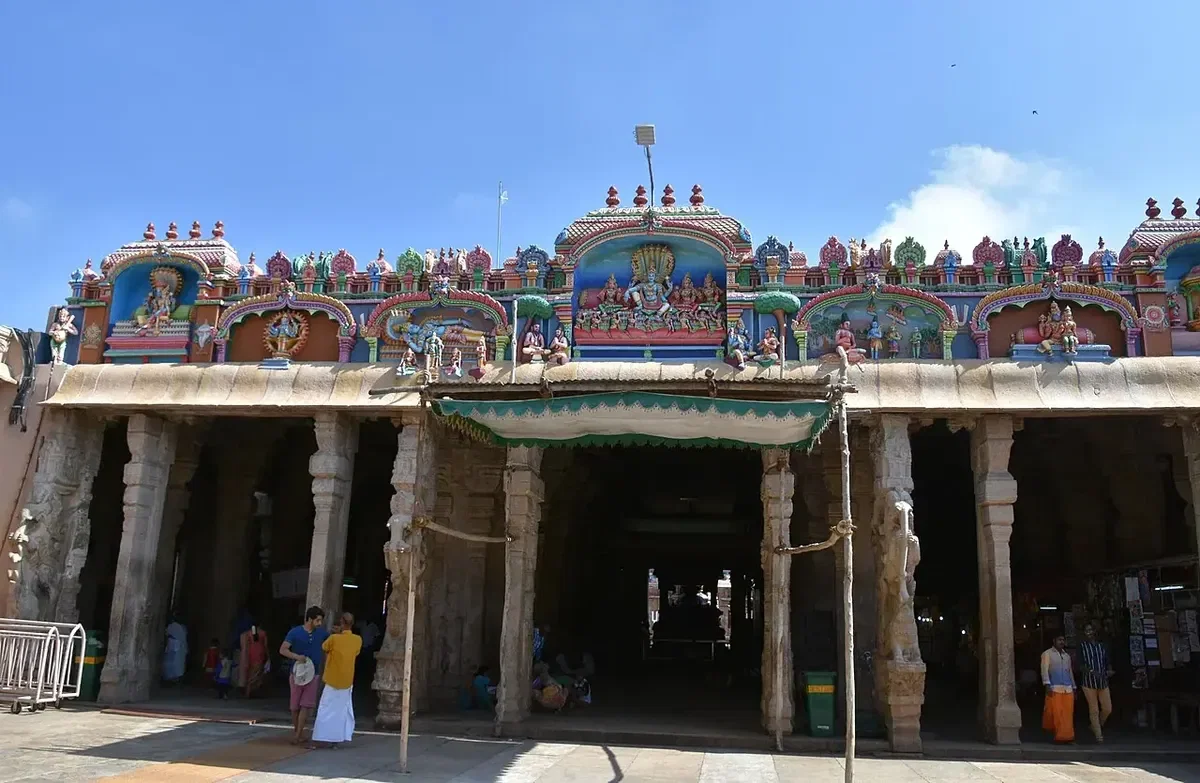
Seven concentric enclosures (prakarams) surround the sanctum. Their walls run for more than six miles. The complex has 21 gopurams, 39 pavilions, 50 shrines, nine sacred tanks and a hall of 1000 pillars. All are laid out along the cardinal directions. The outer two courtyards hold homes and markets. Inside, a golden vimanam shaped like the Tamil Om crowns the sanctum. There the 6 m image of Ranganatha reclines on the five-hooded Adishesha. The image is made of lime, mortar and shaligram stones.
Daily seva timings
As published on the temple's official site
As published on the temple's official site
Offerings & festivals
20-day Margazhi festival; the deity passes through the Paramapada Vasal on Vaikunta Ekadashi
3-day Aani festival with deities adorned in diamond, pearl and gold armour
Araiyars sing and enact the 4000 Divya Prabandham verses during Vaikunta Ekadashi
How to reach
Tiruchirappalli International Airport (Trichy) is the nearest airport.
Tiruchirappalli Junction is the nearest major station; Srirangam lies within Trichy.
-
-
Frequently asked questionsFAQs
Yes, general darshan is free. Special entrance tickets cost ₹100 for the Perumal Sannathi and ₹50 for the Thayaar Sannathi.
More temples in Tamil NaduMore in Tamil Nadu
View all →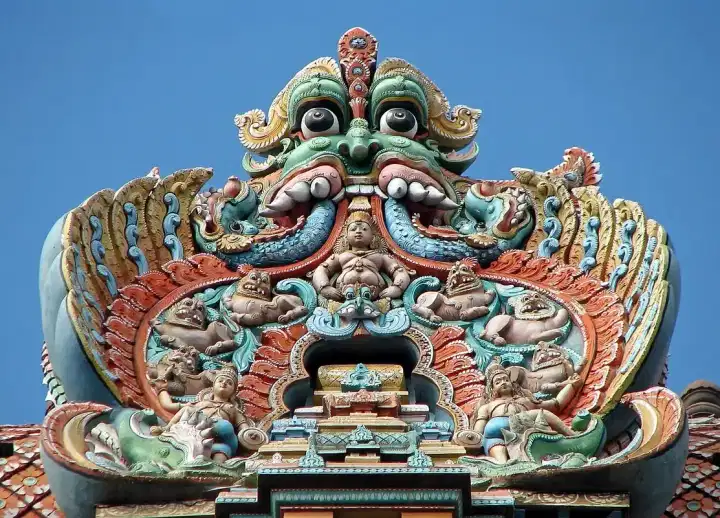
Meenakshi Sundareswarar Temple, Madurai
Madurai, Tamil NaduMadurai
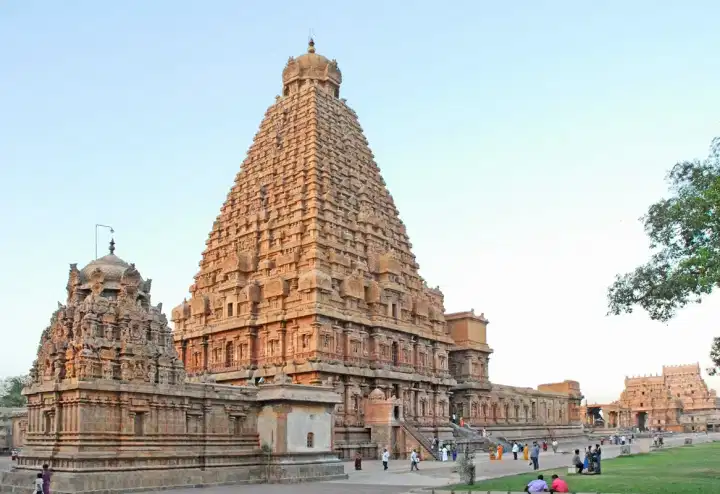
Brihadeeswarar Temple (Big Temple)
Thanjavur, Tamil NaduThanjavur
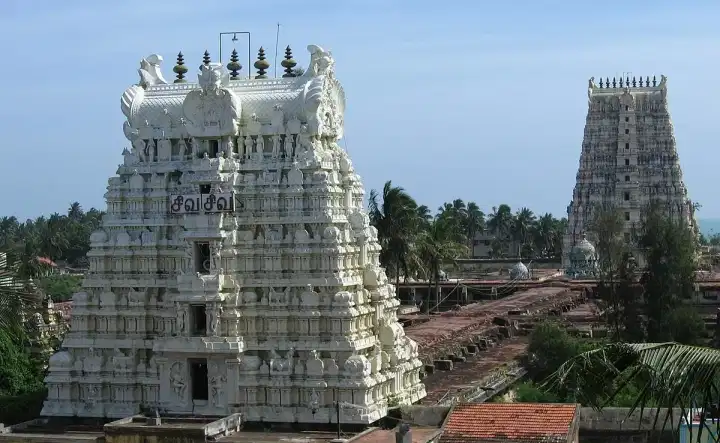
Rameswaram Ramanathaswamy Temple
Rameswaram, Tamil NaduRameswaram
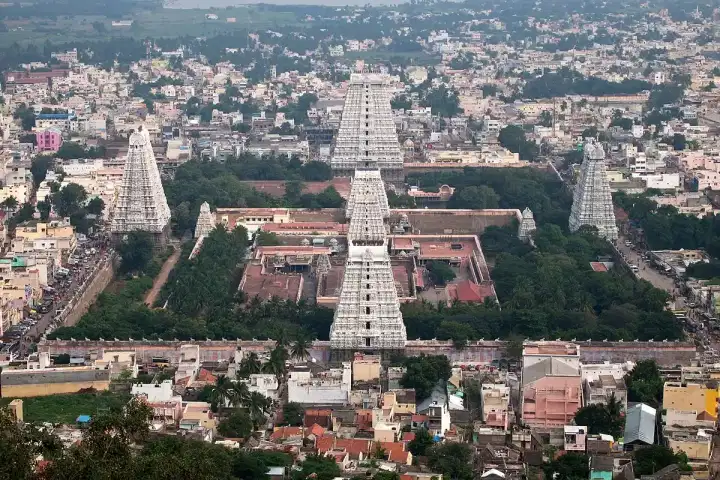
Arunachaleswarar Temple, Tiruvannamalai
Tiruvannamalai, Tamil NaduTiruvannamalai
Recommended Pujas
View all pujas →View allThis information is for awareness only. This temple is not a Vedamandir partner temple.