


Jambukeswarar Temple, Thiruvanaikaval
Shiva as the Water Lingam with Goddess Akilandeswari, in the ancient Jambu forest near Tiruchirappalli
Thiruvanaikaval, Tiruchirappalli, Tamil Nadu

Daily 06:00–13:00 and 15:00–21:00
- General (free) darshan
- Free
- Dress code
- No strict dress code is enforced, but modest traditional clothing is expected. Footwear must be removed before entering.
- Best season
- -
About the temple
Jambukeswarar Temple at Thiruvanaikaval, near Tiruchirappalli, is one of the five great Shiva temples of Tamil Nadu that stand for the five elements. Here Shiva represents water and is worshipped as the Appu Lingam. An underground stream runs through his sanctum. The Lord is honoured as Jambukeswarar, and his consort Parvati as Goddess Akilandeswari. The town's name comes from Thiru Aanai Kaa, the holy elephant forest, after an elephant that worshipped Shiva here. The temple is a large walled complex with five enclosures, tall gateway towers, a hall of 796 pillars and spring-fed tanks. The sanctum is entered through a small, low doorway. Daily rituals include abhishekams for the Lord, the Goddess and the shrine deities.
Significance
This is the water temple among the Pancha Bhoota Sthalams. The other four are Ekambareswarar (earth), Chidambaram (sky), Annamalaiyar (fire) and Srikalahasti (air). It is one of the 275 Paadal Petra Sthalams praised in the Tevaram hymns of the Nayanmar saints. Tradition holds that Parvati, as Akilandeswari, shaped a lingam from Cauvery water under a jambu tree and worshipped it. Shiva then taught her sacred knowledge here. Goddess Akilandeswari is deeply revered in Tamil Shaivism. Her once fierce form is said to have been calmed when Adi Shankara installed a Sri Chakra.
History
- 12nd century CE · Early origins
The temple's founding is dated to the 2nd century. Tradition credits King Kochengat Chola, who built 70 temples.
- 211th–12th century · Chola grants
Many Chola inscriptions record grants made to the temple.
- 31236–37 · Hoysala expansion
Hoysala king Someswara built several shrines. The seven-tier rajagopuram is attributed to him.
- 41751–1755 · Anglo-French conflict
French and English forces took the temple again and again during their wars.
- 519th–early 20th century · Community upkeep
The Vellalars and Nattukottai Nagarathars looked after the temple.
Architecture
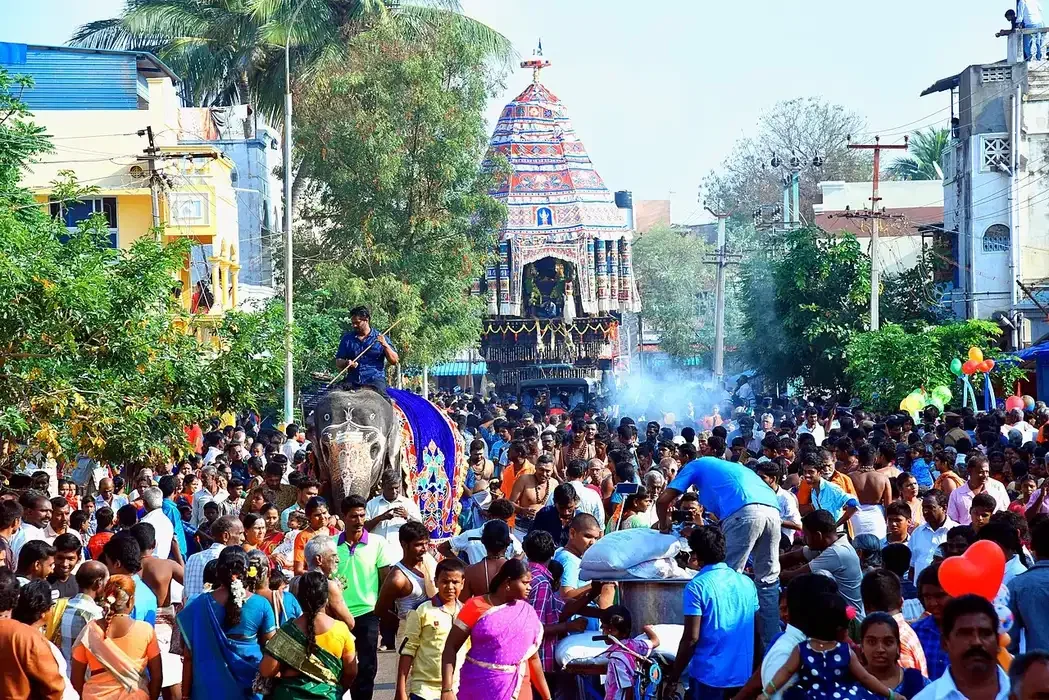
The temple has five enclosures. The outermost wall, the Vibudi Prakara, runs over 1.6 km and stands more than 7.6 m high. Legend says Shiva helped build it in the guise of a labourer. Inside are a hall of 796 pillars, tanks fed by springs and gopurams up to 30 m tall. The square sanctum stands alone, ringed by a shallow moat. Devotees view the deity through a stone window with nine openings, linked to the Navagraha. A carved panel above the window shows the elephant and spider worshipping the lingam. The holy white jambu tree grows by the sanctum wall.
Daily seva timings
As published on the temple's official site
As published on the temple's official site
Offerings & festivals
The temple's grand annual festival in the Tamil month of Panguni
Thai Poosam celebrations with a float festival on the temple tank
A 10-day spring festival in the month of Vaikasi
An annual classical dance festival held at the temple
How to reach
Tiruchirappalli Airport is the nearest, 12–15 km away.
-
City buses run from Trichy Central bus stand and Chathiram bus stand. The temple is close to Srirangam.
-
Frequently asked questionsFAQs
Yes. General darshan is free.
More temples in Tamil NaduMore in Tamil Nadu
View all →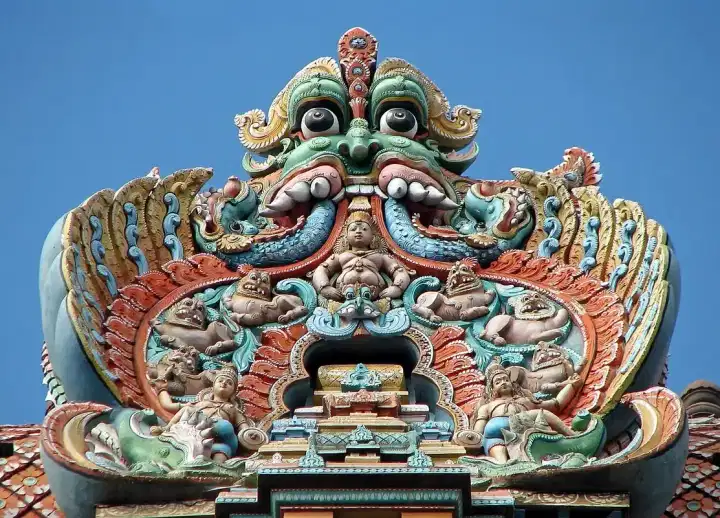
Meenakshi Sundareswarar Temple, Madurai
Madurai, Tamil NaduMadurai
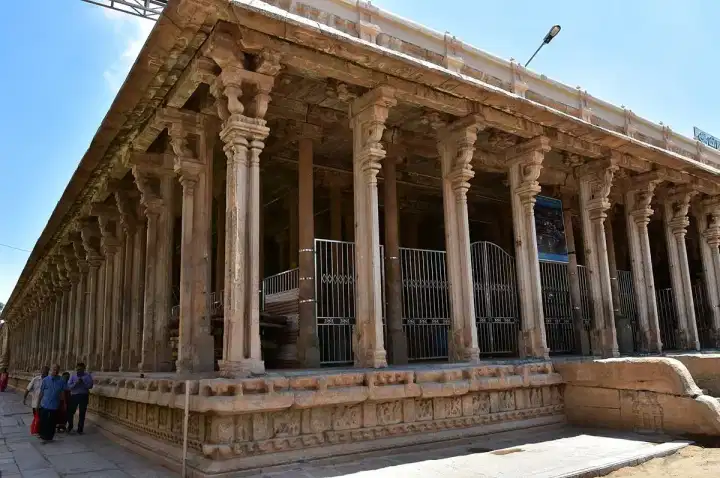
Srirangam Sri Ranganathaswamy Temple
Srirangam, Tamil NaduSrirangam
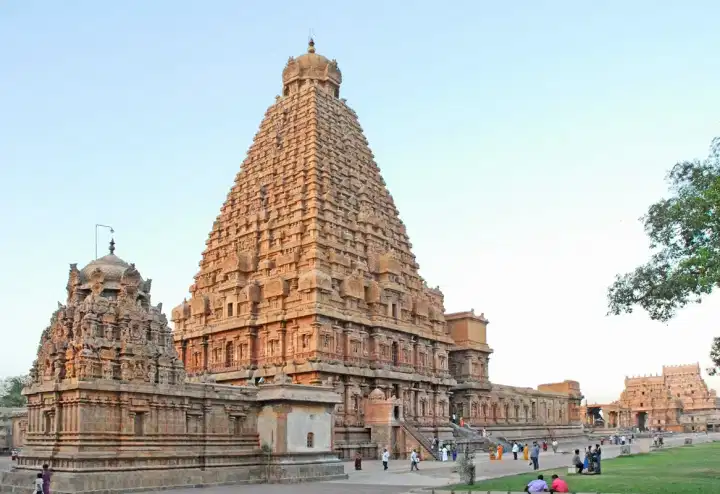
Brihadeeswarar Temple (Big Temple)
Thanjavur, Tamil NaduThanjavur
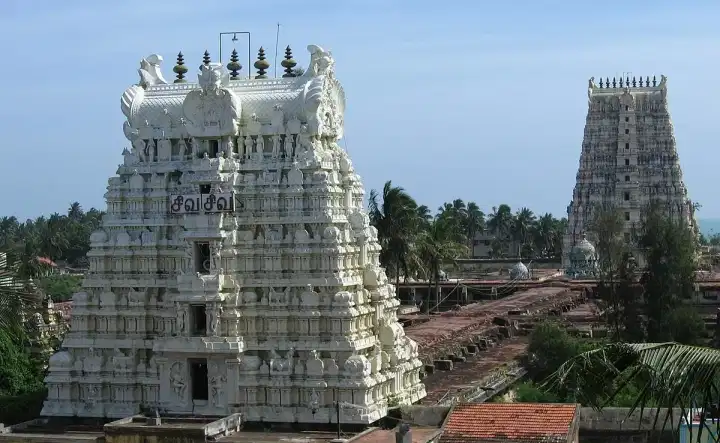
Rameswaram Ramanathaswamy Temple
Rameswaram, Tamil NaduRameswaram
Recommended Pujas
View all pujas →View allThis information is for awareness only. This temple is not a Vedamandir partner temple.