


Kapaleeshwarar Temple, Mylapore
A beloved Shiva temple in the heart of Chennai, home to Lord Kapaleeswarar and Goddess Karpagambal.
Mylapore, Chennai, Tamil Nadu

Open 5:30 AM–12:30 PM and 4:00–9:30 PM daily
- கபாலீஸ்வரர் சன்னதி சிறப்பு நுழைவு
- ₹50
- கற்பகாம்பாள் சன்னதி சிறப்பு தரிசனம்
- ₹50
- Dress code
- Wear modest traditional clothes such as a saree, dhoti or salwar with an upper cloth, keeping shoulders and knees covered. Remove footwear before entering.
- Best season
- -
About the temple
Kapaleeshwarar Temple stands in Mylapore, one of the oldest parts of Chennai, and is dedicated to Lord Shiva as Kapaleeswarar along with Goddess Karpagambal. The name joins two words: kapala, meaning head, and Ishvara, a name of Shiva. The temple is one of the Paadal Petra Sthalams praised in the hymns of the Nayanar saints, and one of the seven sacred Shiva shrines of Mylapore known as the Sapta Sthana temples. Bronze images of the 63 Tamil Shaivite saint-poets are honoured within its grounds. Today the temple is run by the Hindu Religious and Charitable Endowments department of the Government of Tamil Nadu, and remains one of the city's most important places of Shiva worship.
Significance
Legend links this shrine to Brahma, who installed a lingam here in penance after Shiva removed one of his five heads for his pride. Goddess Parvati, as Karpagambal, is believed to have worshipped here in the form of a peahen to regain her true form, and gave the vel to her son Murugan at this spot. The saint Sambandar brought the girl Poompavai back to life here, and the saint Vayilar attained salvation here. The central lingam is counted among the 64 self-manifested lingams, giving Mylapore the loving name 'Mylapore is Kailash'.
History
- 190–168 CE · Mylapore in Ptolemy's records
The Greek geographer Ptolemy described Mylapore as 'Millarpha', a sea port.
- 27th century CE · Shrine by the sea
Hymns of the Nayanar saints point to an early shrine on the seashore in the Pallava era.
- 312th century · Temple inscriptions
Inscriptions from this period survive inside the temple.
- 416th century · Seashore shrine damaged
The original shrine near the sea was damaged by Portuguese colonizers.
- 517th century · Rebuilt at present site
The temple was rebuilt inland at the spot where it stands today.
- 61906 · Grand gopuram raised
The 120 ft gateway tower was built, decorated with stucco figures.
Architecture
The temple follows the Dravidian style of South India. Its most striking feature is the 120 ft gopuram, the gateway tower built in 1906 and covered with colourful stucco figures. Inside, the complex holds shrines to Lord Kapaleeswarar, Goddess Karpagambal and Singaravelan, along with bronze images of the 63 Nayanar saints. A temple tank hosts the annual float festival.
Daily seva timings
As published on the temple's official site
As published on the temple's official site
Offerings & festivals
The temple's grandest procession, with idols of the 63 Nayanars following Kapaleeswarar.
Kapaleeswarar rides enthroned with a bow in hand, with Karpagambal beside him.
A three-day festival held each year on the temple tank.
The temple stays open through the night for 24 hours.
How to reach
Chennai International Airport (MAA) is 15–18 km from the temple.
Chennai Central or Chennai Egmore, then a local train or bus to Mylapore.
City bus 3A (High Court – Mandaveli) passes the temple.
-
Frequently asked questionsFAQs
Yes, general darshan is free. Special entry tickets of ₹50 are also offered for the Kapaleeswarar, Karpagambal and Singaravelan shrines.
More temples in Tamil NaduMore in Tamil Nadu
View all →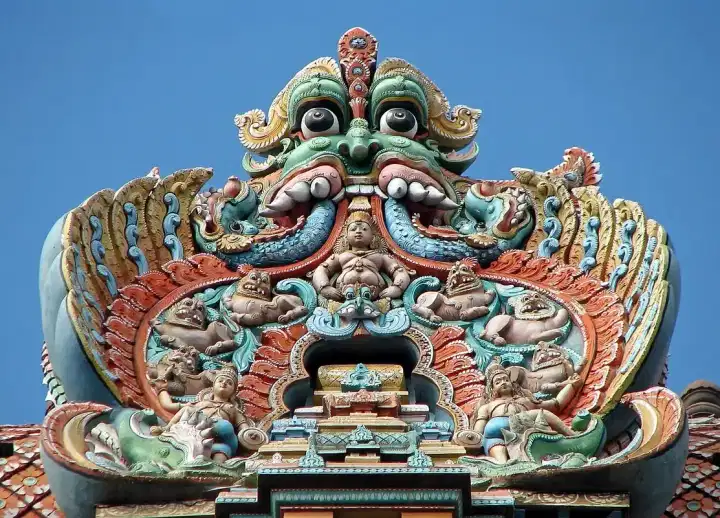
Meenakshi Sundareswarar Temple, Madurai
Madurai, Tamil NaduMadurai
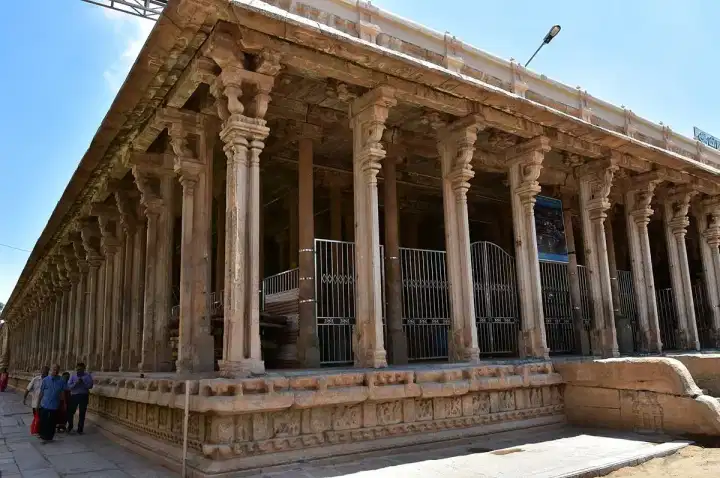
Srirangam Sri Ranganathaswamy Temple
Srirangam, Tamil NaduSrirangam
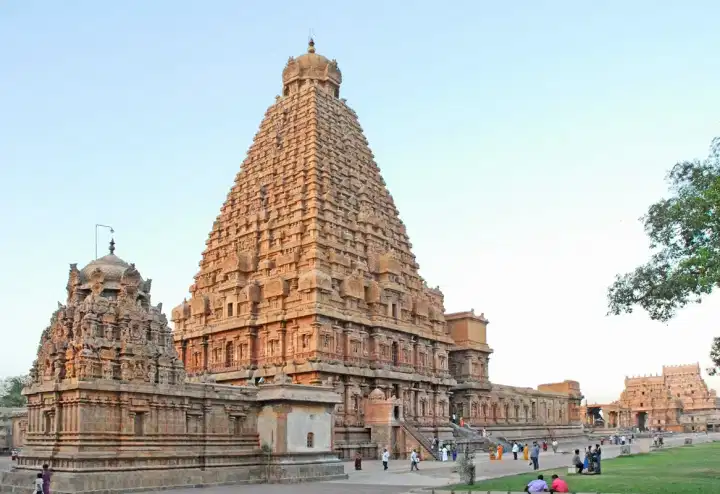
Brihadeeswarar Temple (Big Temple)
Thanjavur, Tamil NaduThanjavur
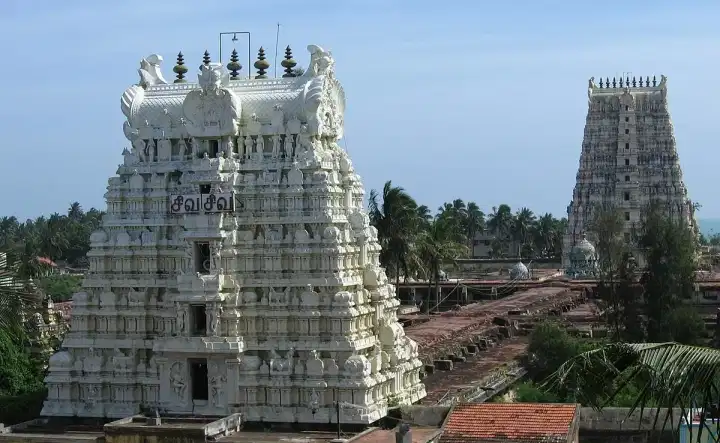
Rameswaram Ramanathaswamy Temple
Rameswaram, Tamil NaduRameswaram
Recommended Pujas
View all pujas →View allThis information is for awareness only. This temple is not a Vedamandir partner temple.