


Parthasarathy Temple, Triplicane
Krishna as Parthasarathy, Arjuna's charioteer, in a Pallava-era Divya Desam in the heart of Triplicane, Chennai
Triplicane, Chennai, Tamil Nadu

Daily 6 AM – 12 noon and 4 PM – 9 PM
- General (free) darshan
- Free
- Special entrance
- ₹50
- Dress code
- Traditional, modest clothing is recommended. For sevas, men usually wear a dhoti and women a saree or salwar kameez.
- Best season
- -
About the temple
The Parthasarathy Temple in Triplicane (Thiruvallikeni), Chennai, is a Vaishnava shrine to Lord Vishnu as Parthasarathy. The name means 'charioteer of Arjuna' and recalls Krishna guiding Arjuna in the Mahabharata war. Goddess Vedavalli Thayar is worshipped here alongside the Lord. The temple is one of the 108 Divya Desams and is praised in the Naalayira Divya Prabandham of the Alvar saints. Pey Alvar, one of the earliest Alvars, sang of it, so it is counted as the oldest structure in Chennai. The Pallavas founded it, and the Cholas and Vijayanagara kings later enlarged it. The complex also has shrines to Shiva, Ganesha and Lakshmi. Devotees often call it the 'Kashi of the South'.
Significance
Here Krishna stands as the charioteer who carried no weapon in the Kurukshetra war. Temple legend says Bhishma's arrow wounded him during the fight with Arjuna, and the marks on the image follow this story. The presiding deity here also wears a moustache, which is unique to this shrine. The temple is linked with visits by Adi Shankaracharya and the Vaishnava teacher Ramanuja. As a Divya Desam praised by the Alvars, it is a key pilgrimage stop for Sri Vaishnavas.
History
- 15th–6th century · Sung by Pey Alvar
One of the earliest Alvars praised this shrine, making it Chennai's oldest structure.
- 26th–8th century · Pallava foundation
Pallava kings built the temple. Tirumangai Alvar credits a Pallava ruler with its first expansion.
- 3796–847 CE · Dantivarman's inscription
Tamil inscriptions of Pallava kings Dantivarman and Nandivarman survive in the temple.
- 4Chola period · Chola expansion
The temple grew greatly under the Cholas. Inscriptions record gifts from Raja Raja and Kulottunga.
- 515th century · Vijayanagara additions
Vijayanagara kings expanded the temple further.
- 61564 CE · Restoration and new mandapas
Restored with new shrines. Vijayanagara kings added sub-shrines and halls such as the Tiruvaymoli Mandapa.
Architecture
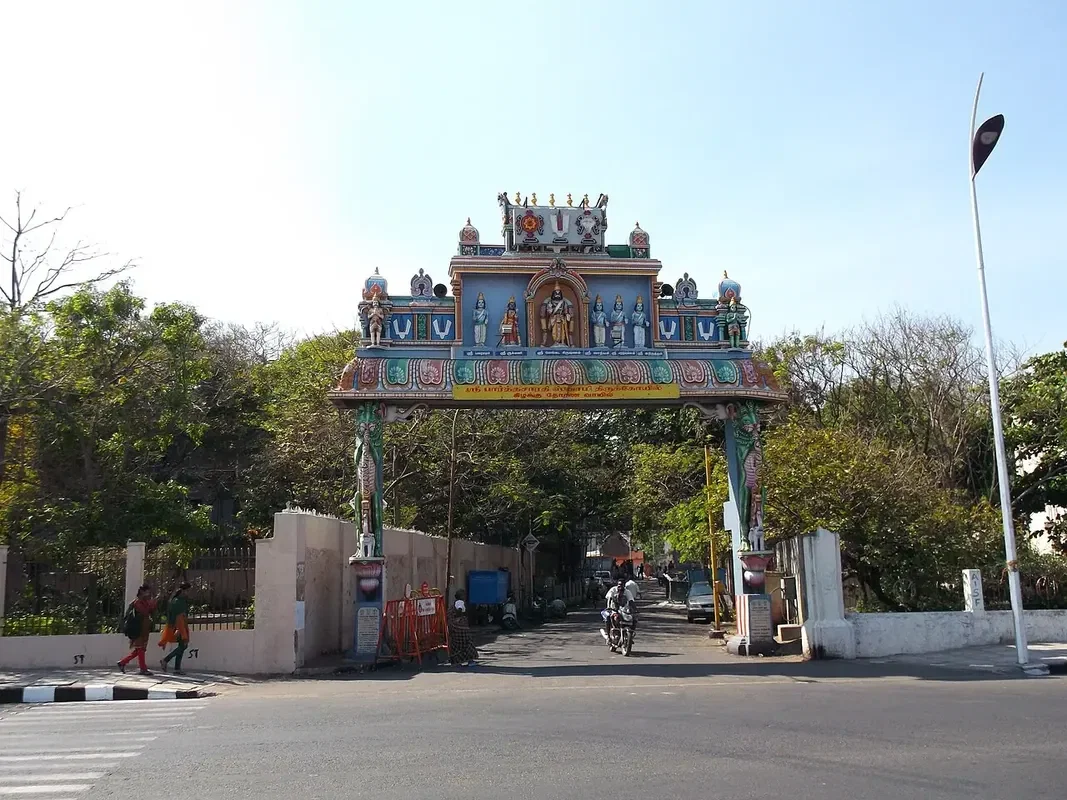
The temple follows the Dravidian style and shows work from three great dynasties. Its gopuram is credited to the Pallava king Tondaiman Chakravarthy. Pallava, Chola and Vijayanagara inscriptions remain on its walls. The outermost mandapam is rich with carvings of Vishnu's forms, especially his avatars. Vijayanagara rulers added pillared halls such as the Tiruvaymoli Mandapa. The temple tank has the Neerazhi Mandapam at its centre, the focus of the float festival.
Daily seva timings
As published on the temple's official site
As published on the temple's official site
Offerings & festivals
Held in Margazhi. It draws the year's biggest crowds from across Tamil Nadu and India.
Seven days in Masi. The deities circle the tank's central mandapam on a lit float.
Festival of the main deity, with vahana processions through the four mada streets
One of the temple's major festivals
How to reach
Chennai International Airport (MAA) is the nearest airport.
Tiruvallikeni (Triplicane) MRTS station is nearest. Chennai Central and Chennai Egmore are close by.
City buses such as 22, 27B and 29A run to Triplicane and Anna Square. Taxis are available for local travel.
-
Frequently asked questionsFAQs
Yes, general darshan is free. Special entrance tickets cost ₹50 and ₹100.
More temples in Tamil NaduMore in Tamil Nadu
View all →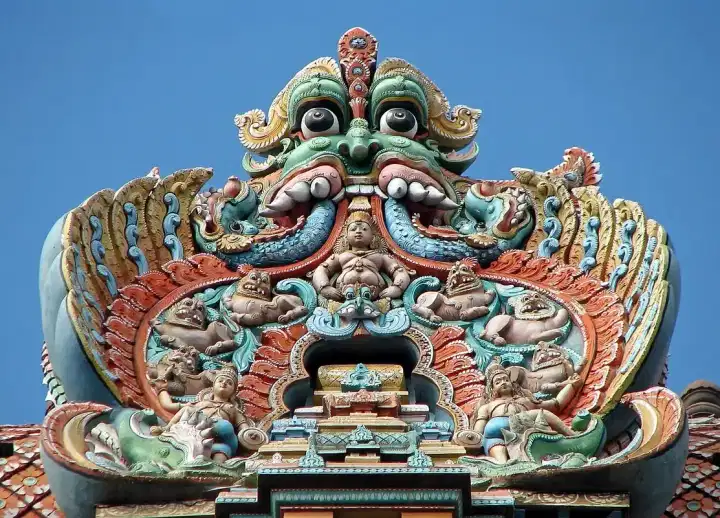
Meenakshi Sundareswarar Temple, Madurai
Madurai, Tamil NaduMadurai
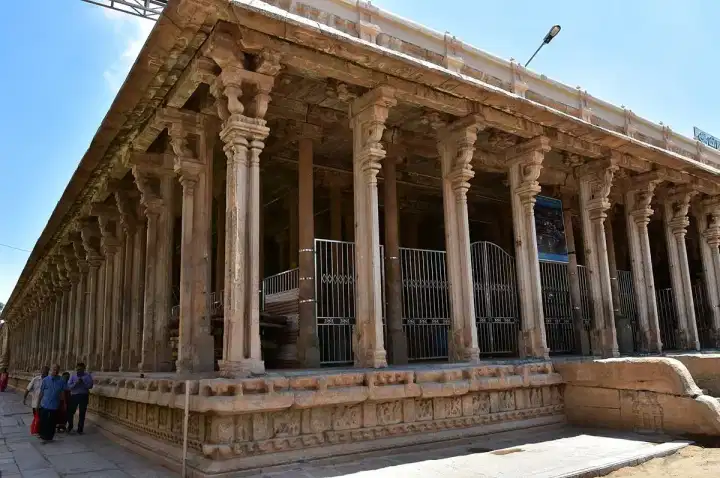
Srirangam Sri Ranganathaswamy Temple
Srirangam, Tamil NaduSrirangam
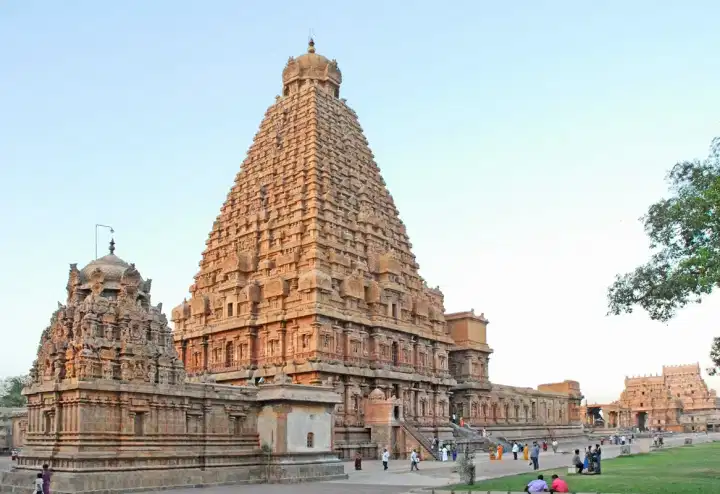
Brihadeeswarar Temple (Big Temple)
Thanjavur, Tamil NaduThanjavur
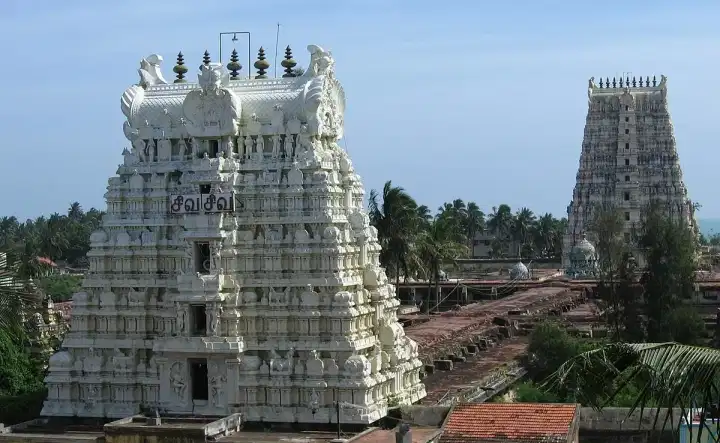
Rameswaram Ramanathaswamy Temple
Rameswaram, Tamil NaduRameswaram
Recommended Pujas
View all pujas →View allThis information is for awareness only. This temple is not a Vedamandir partner temple.