


Salasar Balaji Temple
Home of the bearded Balaji in Salasar, Churu, where a lamp lit in 1755 still burns and two great fairs draw huge crowds.
Salasar, Churu, Rajasthan

Darshan 6 AM – 9 PM daily · Mangla to Shayan Aarti
- Darshan
- -
- Dress code
- Wear modest traditional clothes: dhoti-kurta or trousers and a shirt for men, saree or salwar kameez for women. Avoid jeans and shorts, and keep shoulders and knees covered.
- Best season
- -
About the temple
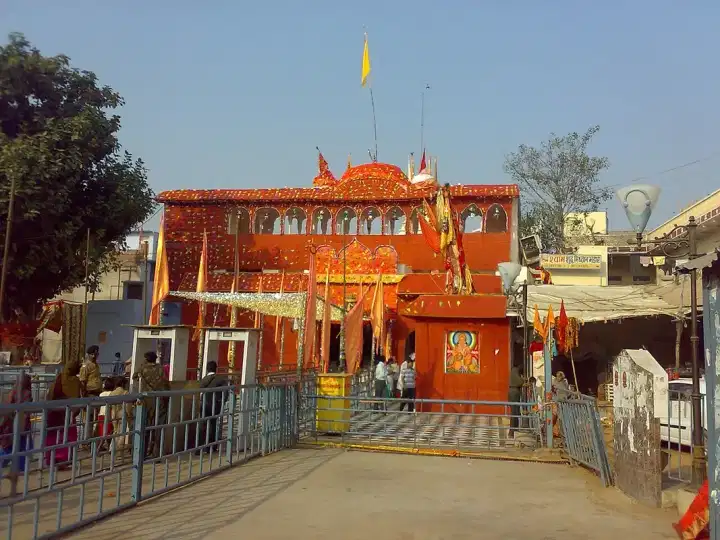
Salasar Balaji Temple stands in the centre of Salasar town, near Sujangarh in Rajasthan's Churu district, on the Jaipur–Bikaner highway. It is dedicated to Lord Hanuman, worshipped here as Salasar Balaji. The idol is unlike most Hanuman images, with a round face, beard and moustache. The shrine is counted among the most important Hanuman temples of North India. Through the day the deity is honoured with a series of aartis, from Mangla Aarti at dawn to Shayan Aarti at night. Two large fairs are held every year, on Chaitra Purnima and Ashwin Purnima, when pilgrims arrive in very large numbers. Bajra churma is the traditional offering, and prasad shops near the temple sell it.
Significance
Devotees treat Salasar Balaji as a Siddhpeeth, a seat of answered prayers. According to local tradition, a farmer ploughing his field at Asota struck a stone and dug out an idol of Hanuman. His wife had brought bajra churma for his lunch, and he offered it to the Lord. Churma has remained the main offering ever since. That same day, the local landlord and Mohandas of Salasar both dreamt that Hanuman wished to be installed at Salasar. The lamp lit in 1755 is still kept burning.
History
- 11755 (VS 1811) · Idol found at Asota
A farmer unearthed the Hanuman idol at Asota, and it was installed at Salasar on Shravan Shukla Navami.
- 21755 · Eternal lamp lit
A lamp was lit in the temple that year, and it still burns.
- 318th century · Temple built by Mohandas Ji
Mohandas Ji built the temple and gave the duty of seva to his disciple Udairam.
- 4Later years · Temple rebuilt
The early structure of mudstone was rebuilt with brick, lime, stone and marble, with silver gates added.
Architecture
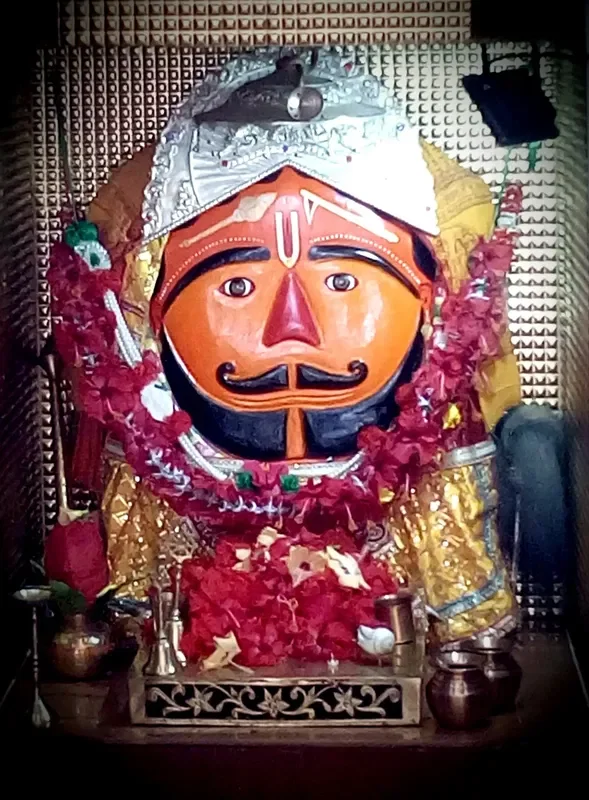
The temple follows Rajasthani styling. The first structure was made of mudstone, and Muslim craftsmen helped to build it. In later years it was rebuilt with bricks, cement, lime mortar, stone and marble. The shrine is known for its silver gates and gold-plated doors, which frame the sanctum of the bearded Balaji. The temple stands in the heart of Salasar town.
Daily seva timings
As published on the temple's official site
As published on the temple's official site
Offerings & festivals
The Chaitra Purnima fair is the temple's biggest celebration.
The Ashwin Purnima fair draws large crowds of pilgrims.
Foundation day on Shravan Shukla Navami, when the idol was installed.
Held on Baisakh Shukla Trayodashi in memory of Mohandas Ji.
How to reach
Jaipur airport is 184 km away. Kishangarh (163 km) and Bikaner (190 km) are other options.
Sujangarh station is the nearest, 27 km away. Lakshmangarh (35 km) and Ratangarh (44 km) also serve the town.
Salasar is on the Jaipur–Bikaner highway, 25 km from Sujangarh bus stand and 169 km from Jaipur. Government and private buses run regularly.
-
Frequently asked questionsFAQs
Yes, general darshan at the temple is free.
More temples in RajasthanMore in Rajasthan
View all →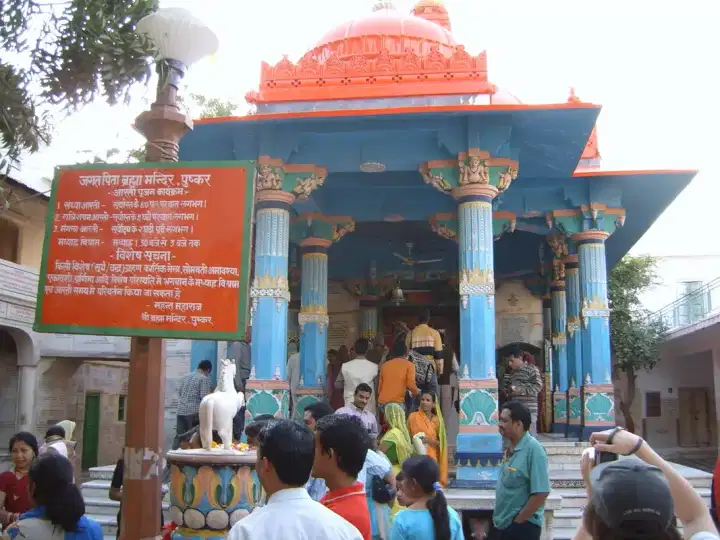
Brahma Temple, Pushkar
Pushkar, RajasthanPushkar
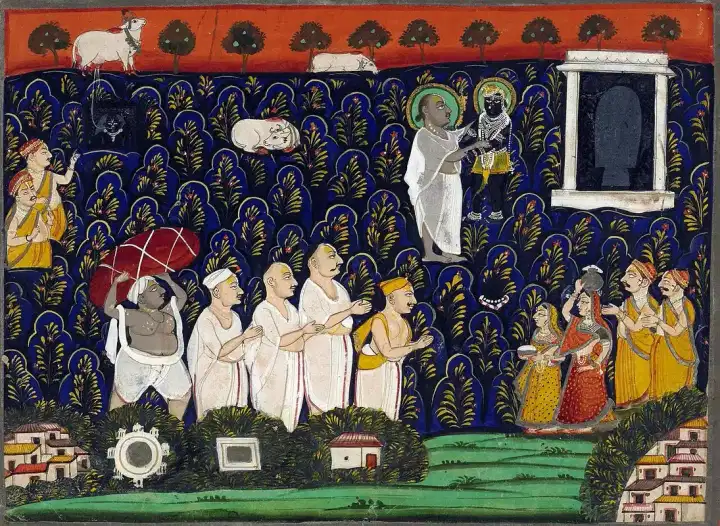
Shrinathji Temple, Nathdwara
Nathdwara, RajasthanNathdwara
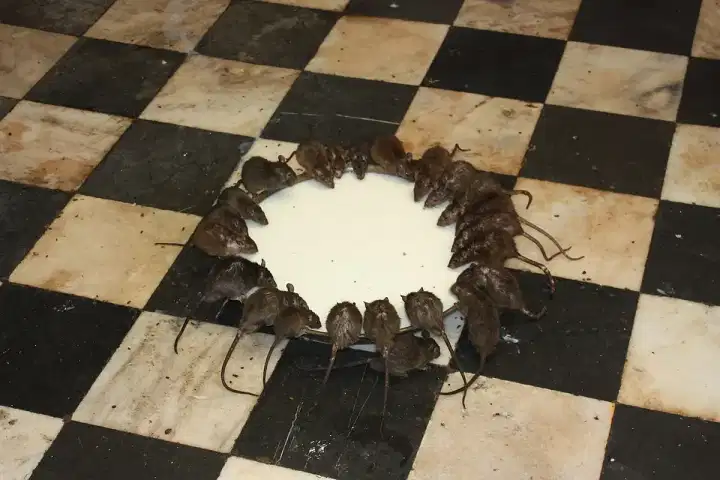
Karni Mata Temple, Deshnoke
Deshnoke, RajasthanDeshnoke
Khatu Shyam Ji Temple
Khatu, RajasthanKhatu
Recommended Pujas
View all pujas →View allThis information is for awareness only. This temple is not a Vedamandir partner temple.