


Shrinathji Temple, Nathdwara
Child Krishna holding up Govardhan, served with loving seva in his haveli at Nathdwara, Rajasthan
Nathdwara, Rajsamand, Rajasthan

Mangla darshan 05:45–06:30 (Thursday)
- Free darshan
- Free
- Dress code
- Traditional dress is recommended.
- Best season
- -
About the temple
Shrinathji Temple stands in the town of Nathdwara in Rajsamand district, Rajasthan, about 48 km north-east of Udaipur. The deity is Shrinathji, Krishna as a child raising Govardhan hill with his left arm to shelter the people and cows of Braj. The image was first worshipped on Govardhan hill near Mathura. In 1672 it was carried away to protect it from Aurangzeb, and a new home was built for it in Mewar under Maharana Raj Singh. Devotees know the shrine as Shrinathji ki Haveli, the House of Shrinathji, because in the Pushtimarg way the Lord is served as the master of a household rather than worshipped in a formal temple. Through the day the curtain opens for darshans called jhakhis, and the Lord is bathed, dressed, fed and allowed to rest like a beloved child.
Significance
For followers of Pushtimarg, Shrinathji is a living presence, cared for as an infant. The priests are Brahmins guided by Gurus descended from Vallabha. Daily life in the haveli revolves around seva: bathing, dressing, meals of bhog and rest at fixed times. His shringar changes seven times a day, with silk and fine cloth worked in real zari and adorned with jewellery. Aartis, flowers, fruit and other offerings are presented with local instruments and devotional songs suited to the hour and the occasion.
History
- 11466 · Left arm seen on Govardhan
Per Braj tradition, a villager searching for a lost cow saw the Lord's raised left arm; locals bathed it with milk and worshipped it.
- 21535 · The Dhoomar cow and the Lord's face
Per tradition, Saddu Pandey followed his cow pouring milk on the hill and saw the Lord's face, who named himself Devdaman.
- 31672 · Deity leaves Braj for Mewar
Moved from Govardhan to escape Aurangzeb; the cart sank at Sihad and a haveli was built under Maharana Raj Singh.
- 41802 · Escape from Holkar threat
Shrinathji was taken to Udaipur and later Ghasiyar before returning to Nathdwara.
- 51959 · Nathdwara Temple Act
Administration of the shrine passed to the statutory Nathdwara Temple Board.
- 61963 · Supreme Court ruling
The Act was upheld and the shrine was held to be a public temple.
Architecture
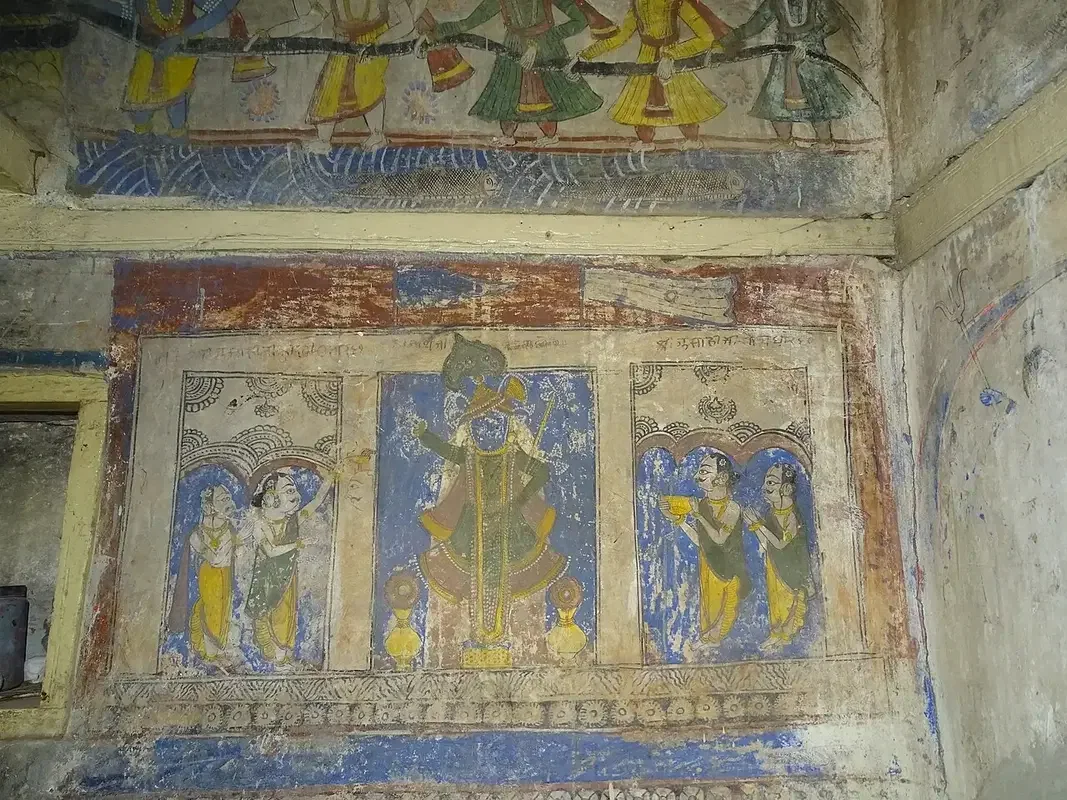
The shrine is modelled on the house of Nanda, Krishna's foster father, in Gokul, so it is also called Nanda Bhavan or Nandalaya. A kalasha crowns the shikhara, where seven flags fly beside the Sudarshana Chakra. Like a real household, the haveli has a chariot, rooms for milk, betel, sweets and flowers, a working kitchen, a jewellery chamber, a treasury, a stable, a sitting room and a grinding wheel. Shrines to Madan Mohanji and Navneet Priyaji lie within the complex.
Daily seva timings
As published on the temple's official site
As published on the temple's official site
Offerings & festivals
A major celebration of Krishna's birth that draws large crowds of devotees
One of the haveli's major festivals, celebrated with devotion and colour
The shrine fills with devotees, and Annakut is offered in autumn
How to reach
The nearest airport is at Udaipur.
Nathdwara has rail connections.
Nathdwara lies 48 km north-east of Udaipur and is well linked by road and bus.
-
Frequently asked questionsFAQs
Yes. Darshan is free for all devotees during the day's scheduled darshan slots.
More temples in RajasthanMore in Rajasthan
View all →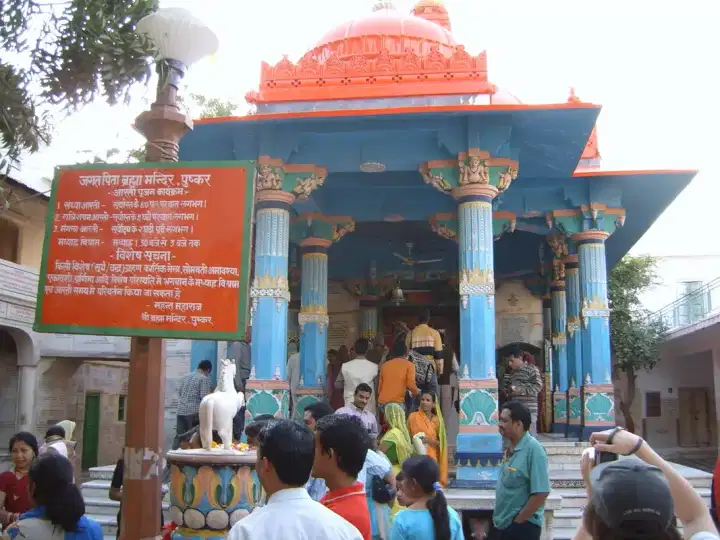
Brahma Temple, Pushkar
Pushkar, RajasthanPushkar
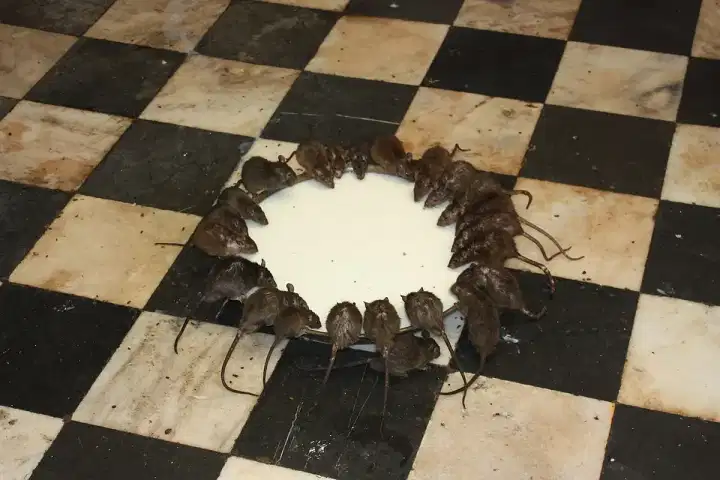
Karni Mata Temple, Deshnoke
Deshnoke, RajasthanDeshnoke
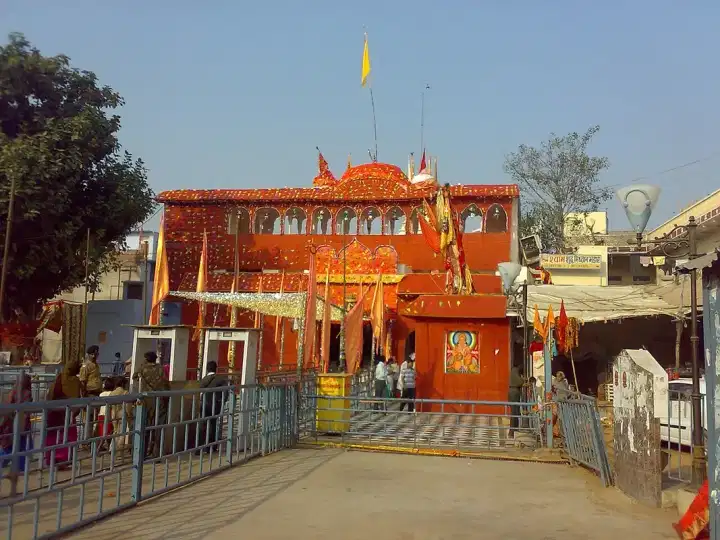
Khatu Shyam Ji Temple
Khatu, RajasthanKhatu
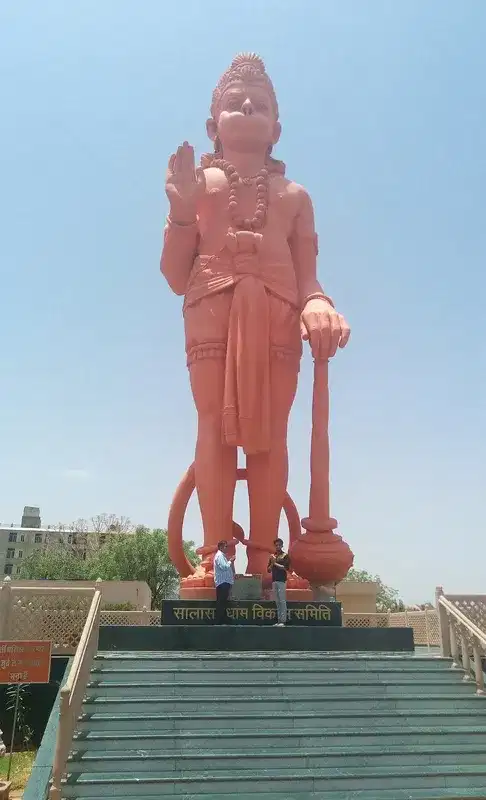
Salasar Balaji Temple
Salasar, RajasthanSalasar
Recommended Pujas
View all pujas →View allThis information is for awareness only. This temple is not a Vedamandir partner temple.