


Tungnath Temple
Highest of the Panch Kedar temples, reached by a stone-paved Himalayan trek from Chopta in Rudraprayag
Chopta–Tungnath, Rudraprayag, Uttarakhand

-
- Free darshan
- Free
- Dress code
- There is no strict dress code. Wear warm, layered clothing and sturdy footwear for the cold, dress modestly, and remove your shoes before the inner sanctum.
- Best season
- April – September
About the temple
Tungnath Temple is a Himalayan shrine of Lord Shiva in Rudraprayag district, Uttarakhand. Standing at 3,680 m (12,073 ft), just beneath Chandrashila peak, it is the highest of the five Panch Kedar temples and one of the highest Shiva temples anywhere in the world. The Tungnath range around it shapes the valleys of the Mandakini and Alaknanda rivers. Pilgrims reach the temple on foot along a stone-paved path from Chopta. Worship here is led by local Maithani Brahmin priests from Makkumath village. Each year the Badri-Kedar Temple Committee announces when the doors open and close. In winter the temple shuts, and the symbolic image of the deity moves with the priests to Markandeshwar Temple in Makkumath.
Significance
Tungnath is the third and highest stop on the Panch Kedar pilgrimage. Tradition from the Mahabharata holds that the temple enshrines the arms (bahu) of Lord Shiva. Local legend says the Pandavas built the Panch Kedar temples to seek Shiva's forgiveness after the Kurukshetra war. Unlike the other Kedar shrines, where the priests come from South India, Tungnath is served by local Brahmins from Makkumath village. Daily worship includes Rudrabhishek, Mahamrityunjaya Jaap and Aarti.
History
- 1Mahabharata era · Pandavas and the Panch Kedar
Local legend says the Pandavas founded the Panch Kedar temples to seek Shiva's forgiveness after the Kurukshetra war.
- 28th century CE · Adi Shankara's priest tradition
Adi Shankara set the custom of South Indian priests at the Kedar temples. Tungnath instead keeps local Brahmin priests.
- 3Today · Seasonal worship
The Badri-Kedar Temple Committee announces the yearly opening and closing dates. Maithani Brahmins of Makkumath lead the rituals.
Architecture
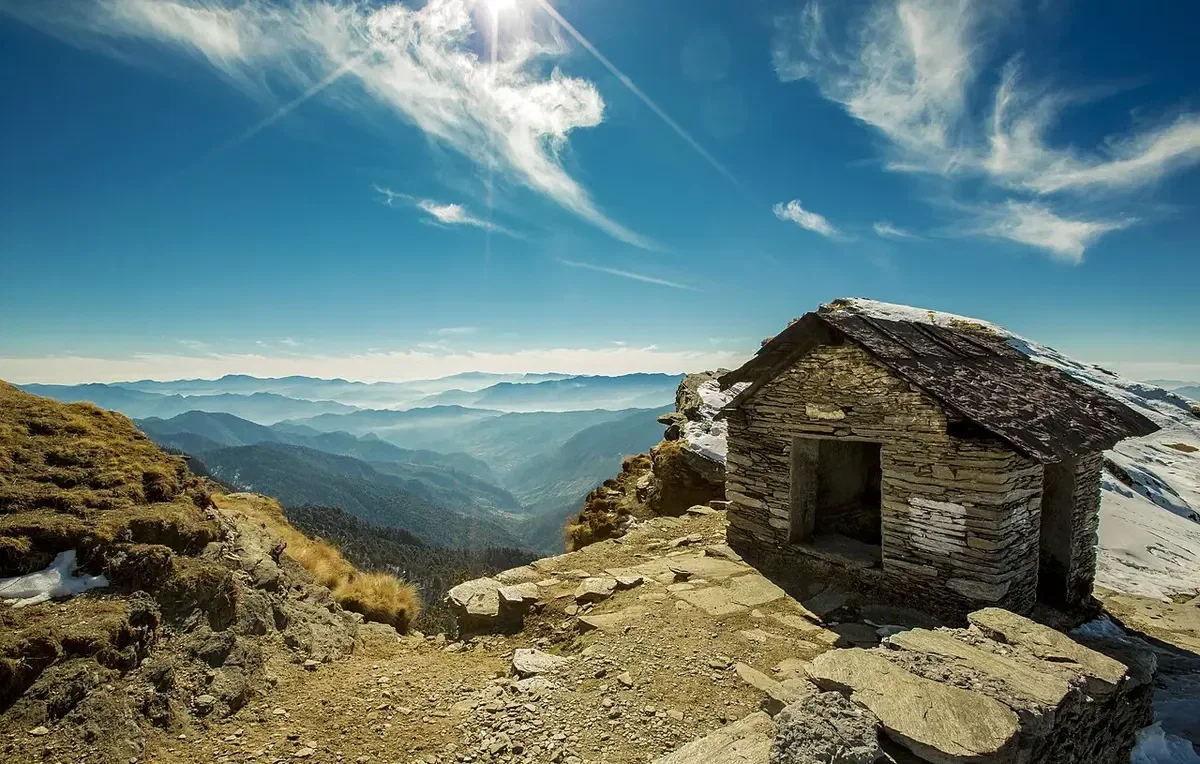
The temple is built in the North Indian Himalayan style, suited to its high mountain setting. It stands at 3,680 m (12,073 ft), just below Chandrashila peak, in the Tungnath mountains that shape the Mandakini and Alaknanda river valleys. Pilgrims reach the shrine by a stone-paved path that climbs from the road head at Chopta.
Daily seva timings
-
-
Offerings & festivals
Special rituals mark the opening of the temple doors for the season.
Doors close around Diwali with special rituals. The deity then moves to Makkumath for winter.
How to reach
Jolly Grant Airport, Dehradun, 258 km away.
Rishikesh railway station, 241 km away.
Drive to Chopta, the road head on the Gopeshwar–Guptkashi route, by the Kund–Gopeshwar road. Taxis and buses run to Chopta.
A stone-paved trek of 3.5 km from Chopta (per the Badri-Kedar Temple Committee) takes 2–4 hours. Chandrashila peak lies a further 2 km up.
Frequently asked questionsFAQs
Yes. Darshan is free and there are no ticket categories at the temple. Forest officials collect a small registration fee at the start of the trek.
More temples in UttarakhandMore in Uttarakhand
View all →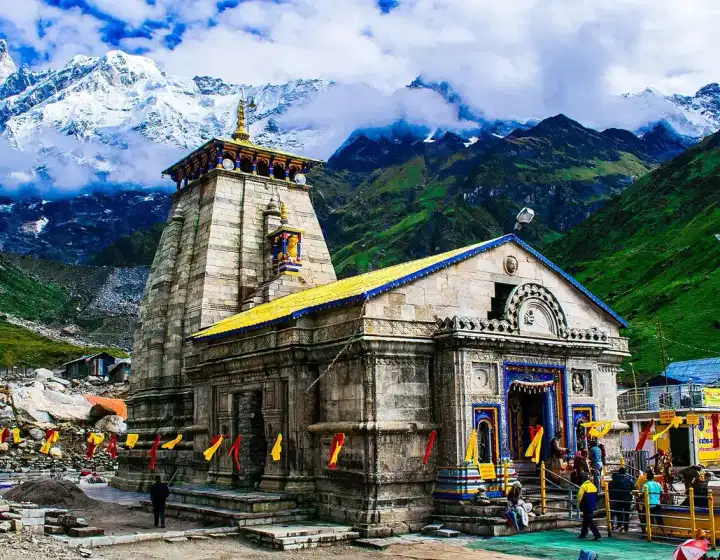
Kedarnath Temple
Kedarnath, UttarakhandKedarnath
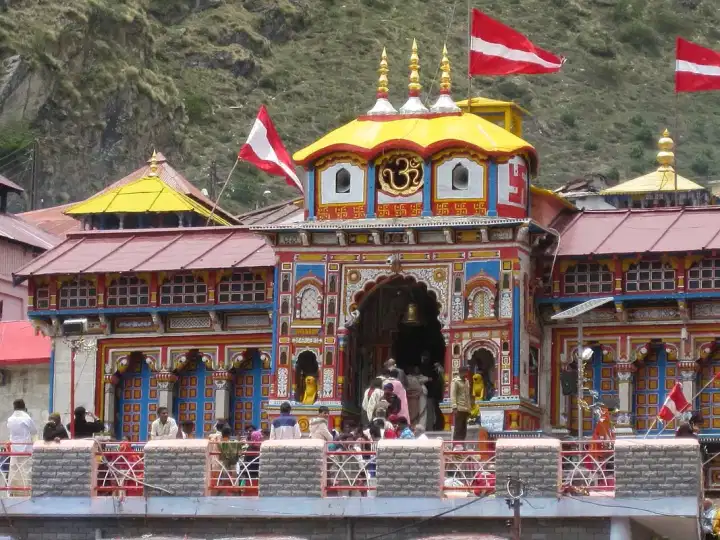
Shri Badrinath Temple
Badrinath, UttarakhandBadrinath
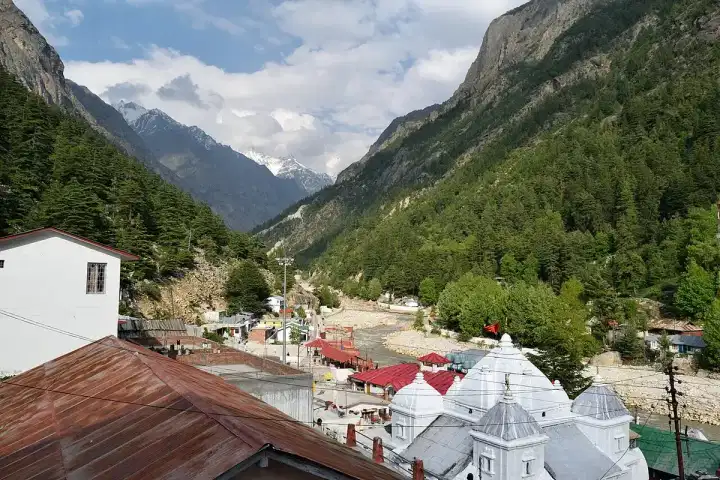
Gangotri Temple
Gangotri, UttarakhandGangotri
Yamunotri Temple
Yamunotri, UttarakhandYamunotri
Recommended Pujas
View all pujas →View allThis information is for awareness only. This temple is not a Vedamandir partner temple.